Course Overview

    Overview

    Course Highlights

    Eligibility Criteria

    Benefits

    What Is Six Sigma Awareness Training?UntitledA Clear Start for Rwanda's Workforce

    Six Sigma Awareness Training in Rwanda is a one-day introductory programme that gives employees, managers and leaders a clear, practical understanding of Six Sigma, the data-driven methodology used to reduce process variation and eliminate defects. Rather than turning you into a full-time practitioner, it builds the awareness you need to take part in, support and communicate about improvement projects at work. Six Sigma was developed at Motorola in the 1980s and made globally famous by GE, and it is now applied across manufacturing, banking, healthcare and services worldwide. The training explains the Six Sigma goal of fewer than 3.4 defects per million opportunities (DPMO), walks through the five phases of DMAIC (Define, Measure, Analyse, Improve, Control), and introduces the key concepts, roles and tools used on improvement projects. As Rwanda's industry expands under the Made in Rwanda agenda, employers increasingly value people who understand structured quality thinking. This is a non-certification course with no exam; on completing the day you receive a course completion record from Invensis Learning and the confidence to apply Six Sigma awareness straight away.
    What Is Six Sigma Awareness Training?A Clear Start for Rwanda's Workforce

    Six Sigma Awareness Training in Rwanda is a one-day introductory programme that gives employees, managers and leaders a clear, practical understanding of Six Sigma, the data-driven methodology used to reduce process variation and eliminate defects. Rather than turning you into a full-time practitioner, it builds the awareness you need to take part in, support and communicate about improvement projects at work.

    Six Sigma was developed at Motorola in the 1980s and made globally famous by GE, and it is now applied across manufacturing, banking, healthcare and services worldwide. The training explains the Six Sigma goal of fewer than 3.4 defects per million opportunities (DPMO), walks through the five phases of DMAIC (Define, Measure, Analyse, Improve, Control), and introduces the key concepts, roles and tools used on improvement projects.

    As Rwanda's industry expands under the Made in Rwanda agenda, employers increasingly value people who understand structured quality thinking. This is a non-certification course with no exam; on completing the day you receive a course completion record from Invensis Learning and the confidence to apply Six Sigma awareness straight away.
    Certification Badge

    Key Highlightsof the Six Sigma Awareness Training Course

    End-to-End Skill Development

    • Structured Six Sigma Awareness training in the Rwanda is designed to help learners understand the core principles, methodologies, and quality improvement frameworks covered in the program
    • Course content aligned with current industry expectations, real-world process improvement requirements, and practical learning objectives for Rwanda professionals
    • Real-world examples and scenario-based learning to help learners connect Six Sigma concepts with everyday quality management situations
    • Guided learning support to help participants strengthen understanding, improve confidence, and apply Six Sigma Awareness skills effectively in their roles

    Structured Courseware and Learning Resources

    • Access to organized Six Sigma Awareness course materials including DMAIC phase reference guides, CTQ identification worksheets, and process capability reference cards designed to support step-by-step learning
    • Topic-wise learning resources, exercises, and knowledge checks to reinforce understanding of variation analysis, belt roles, and statistical tools
    • Practice activities, assignments, and scenario-based exercises to help learners apply Six Sigma concepts in realistic quality improvement situations as part of a practical Six Sigma Awareness bootcamp
    • Supplementary learning aids such as Six Sigma glossaries, belt level overview charts, statistical tools selection guides, and business case development templates

    Instructor-Led, Practical Learning Experience

    • Live interactive sessions delivered by experienced Six Sigma practitioners with hands-on domain expertise across manufacturing, operations, and quality sectors
    • Real-world examples, case discussions, and applied quality improvement exercises to improve practical understanding of Six Sigma principles
    • Opportunities to ask questions, clarify doubts, and participate in trainer-led discussions on DMAIC, CTQ characteristics, and process capability
    • Training approach focused on helping learners apply Six Sigma Awareness concepts confidently at work through Six Sigma Awareness coaching

    Flexible Learning Support in Rwanda

    • Instructor-led training formats available for individual learners and corporate teams across the Rwanda
    • Options include live virtual classroom training, onsite training, and customized group training depending on availability and organizational requirements
    • Learning support designed to help participants stay on track before, during, and after the Six Sigma Awareness training
    • Additional revision and post-training support may be available based on the selected course format

    Learn the Core Concepts Covered in the Course

    • Understand Six Sigma fundamentals, history, evolution, and the modern business importance of quality-driven process improvement
    • Learn the DMAIC and DMADV methodologies and Design for Six Sigma principles based on the curriculum of Online Six Sigma Awareness course
    • Explore practical use cases showing how Six Sigma is applied in manufacturing, healthcare, finance, and service industry environments
    • Build role-relevant knowledge of CTQ characteristics, variation, process capability, statistical tools, and belt responsibilities that supports better quality decisions

    Practice, Assessment, and Completion Support

    • Practice identifying CTQ characteristics, applying DMAIC phases, and analyzing variation through exercises and scenario-based activities
    • Use assessments to identify knowledge gaps in Six Sigma concepts and strengthen understanding of weaker areas
    • Receive guidance from instructors to improve understanding of Six Sigma tools and stay aligned with course objectives
    • Earn a course completion certificate after successfully meeting the training requirements

    Career and Workplace Application

    • Build practical Six Sigma Awareness skills that can support career growth, role advancement, or improved process improvement performance in the Rwanda
    • Strengthen confidence in applying DMAIC, CTQ analysis, variation management, and process capability concepts to real-world business challenges
    • Improve professional credibility through structured, skill-focused Six Sigma Awareness training recognized across Rwanda industries
    • Support organizational capability building when delivered as Six Sigma Awareness corporate training for employees across manufacturing, healthcare, finance, and operations sectors

    Six Sigma Awareness Training Eligibility in the RwandaWho Can Enroll?

    • No formal prerequisites are required to enroll in the Six Sigma Awareness training program

    • Basic familiarity with business or process concepts is helpful but not mandatory

    • Professionals with no prior experience in Six Sigma or quality management are welcome to join

    • Learners from all industries including manufacturing, healthcare, finance, operations, and technology can benefit from this training

    • Individuals and corporate teams seeking to build foundational Six Sigma knowledge are eligible to enroll

    The Practical Value of Six Sigma AwarenessSkills Your Team Can Use Right Away

    For Individuals

    For Individuals

    Six Sigma Awareness Training helps you understand how modern organisations improve quality and cut waste, and how you can contribute. It suits employees, team members, supervisors and managers in any sector who work alongside improvement projects. Whether you are new to quality thinking or preparing to progress toward Yellow or Green Belt, this one-day programme gives you a solid, jargon-free foundation.

    If you want to speak the language of process improvement with confidence and add value on the job, Six Sigma awareness is a practical first step you can apply immediately.

    • Understand Six Sigma and DMAIC well enough to support real projects
    • Speak the quality language used in improvement meetings and reports
    • Spot variation, defects and waste that add cost to everyday work
    • Contribute confidently to improvement teams from day one
    • Build a foundation to progress toward Yellow or Green Belt later
    • Apply a data-first mindset to everyday problem solving
    • Strengthen your profile as Rwanda's industry raises its quality bar
    For Organizations

    For Organizations

    Delivering Six Sigma Awareness Training to your teams creates a shared improvement vocabulary across the organisation, from the shop floor to leadership. It is the common first step many organisations take when launching a Six Sigma or Lean Six Sigma programme. Group training can be tailored to your sector, whether manufacturing, food and beverage, banking or services.

    When everyone understands the method, improvement projects gain support, momentum and staying power, and your quality initiatives are far more likely to succeed.

    • Creates a shared Six Sigma vocabulary across every level
    • Prepares the workforce to support and sustain improvement projects
    • Builds a data-driven, quality-first culture across teams
    • Aligns staff behind Made in Rwanda quality and competitiveness goals
    • Delivered onsite or live virtual to fit team schedules
    • Tailored examples drawn from your sector and processes
    • A cost-effective first step in a wider Lean Six Sigma rollout

    How Six Sigma Skills Pay off in RwandaRoles, Sectors and Demand

    As Rwanda's manufacturing and services sectors expand, employers are looking for people who can help improve quality, cut waste and deliver more consistent results. Six Sigma awareness supports roles from quality analyst and continuous improvement officer to operations and quality manager across the country's fastest-growing industries. Here is what the market is telling us right now.

    21%

    Manufacturing share of GDP

    2023/24, up from 9.9% in 2018 (NISR)

    7.5%

    Industrial output growth

    Jan 2026 vs Jan 2025 (NISR)

    RWF 12M

    Operations Manager pay, Kigali

    average per year (worldsalaries 2026)

    80%+

    Standards compliance target

    MSME goal, up from 57% (RSB)

    SECTORS HIRING

    • —Manufacturing and Food and Beverage
    • —Banking, Financial Services and Insurance
    • —Construction Materials and Cement
    • —Telecommunications and Technology
    • —Healthcare and Pharmaceuticals
    • —Government, Standards and Public Sector

    GROWTH TRENDS

    • —Manufacturing now around 21% of GDP, up from 9.9% in 2018
    • —Industrial output up 7.5% year on year in early 2026
    • —Made in Rwanda drive to lift standards compliance past 80%
    • —RSB Zamukana Ubuziranenge support for MSME quality
    • —Export ambitions across EAC and AfCFTA markets
    • —Growing demand for structured process improvement skills

    Sources: NISR Index of Industrial Production 2026; Rwanda Standards Board (Made in Rwanda, Zamukana Ubuziranenge); worldsalaries, Glassdoor (Rwanda) 2026.

    What Is Driving Demand for Six Sigma Awareness in Rwanda

    Raising Standards Compliance

    Rwanda is pushing MSME standards compliance from about 57% toward 80% and beyond. Employers need staff who understand quality and process improvement to meet Made in Rwanda targets.

    Six Sigma awareness supports quality goals

    Fast-Growing Manufacturing

    With manufacturing now near 21% of GDP and output up 7.5% in early 2026, factories must keep quality consistent as they scale, exactly what Six Sigma thinking supports.

    Awareness builds consistent quality

    The Cost of Waste and Defects

    Rework, scrap and defects quietly erode margins. Awareness of variation, DPMO and the cost of poor quality helps teams find and reduce these hidden losses.

    Learn to spot hidden losses

    Competing in Regional Markets

    Access to EAC and AfCFTA markets rewards reliable, consistent quality. Exporters need a workforce that understands how disciplined process improvement builds trust.

    Quality builds export trust

    A Data-Driven Culture

    Many workplaces still decide by opinion rather than data. Six Sigma awareness introduces the habit of measuring, analysing and improving processes with facts.

    Decide with facts, not opinion

    Building an Improvement Talent Base

    Rwanda has few trained quality practitioners. Awareness training creates the wide base of understanding needed before Yellow and Green Belt skills can take hold.

    Awareness comes before Belt training

    Sources: NISR 2026; Rwanda Standards Board; Ministry of Trade and Industry (Made in Rwanda) 2026.

    Six Sigma awareness is becoming a workplace essential as Rwanda raises its quality bar. Give your team the shared language to support improvement and compete with confidence. Start today.

    Your Rwanda Career Transformation

    From Where You Stand Today to Where Six Sigma Takes You

    Your Workplace Transformation

    Rwanda's industry is growing fast, and employers increasingly value people who understand how to improve quality and reduce waste. Here is how a single day of Six Sigma awareness changes where you stand.

    Today

    You watch project teams work without following the method

    After Training

    You understand each DMAIC phase and how to support it

    Today

    Waste and rework are accepted as normal

    After Training

    You can spot variation and defects that cost time and money

    Today

    Quality roles in Rwanda's growing industry feel out of reach

    After Training

    You have a foundation to progress toward Yellow or Green Belt

    You build Six Sigma awareness

    Before

    Six Sigma terms in project meetings pass you by

    Now you have

    A confident grasp of DMAIC, DPMO and CTQ language

    Before

    Improvement work feels like someone else's job

    Now you have

    The knowledge to contribute to and support improvement projects

    Before

    Decisions lean on opinion rather than facts

    Now you have

    A data-first mindset for everyday problem solving

    Before

    No shared quality vocabulary across the team

    Now you have

    A common improvement language shared across your organisation

    "As Rwanda's industry raises its quality bar, the people who understand how improvement works are the ones teams turn to first."

    Join thousands of professionals who built their skills with Invensis Learning.

    Sources: worldsalaries, Glassdoor (Rwanda) 2026.

    Module 1: Introduction to Six Sigma

    • Six Sigma fundamentals and the principles that underpin quality-driven process improvement
    • History and evolution of Six Sigma from its origins at Motorola to widespread global adoption
    • Modern business importance of Six Sigma and its relevance across industries in the Rwanda

    Module 2: Six Sigma Methodologies

    • DMAIC overview: Define, Measure, Analyze, Improve, and Control phases explained with business context
    • DMADV introduction: how Define, Measure, Analyze, Design, and Verify apply to new product and process development
    • Design for Six Sigma (DFSS) principles and when to apply DFSS versus DMAIC in process improvement projects

    Module 3: Key Concepts

    • Critical-to-Quality (CTQ) characteristics: identifying what matters most to customers and how to translate requirements into measurable quality criteria
    • Variation and process capability: understanding how variation affects quality outputs and how capability indices measure process performance
    • Introduction to statistical tools used in Six Sigma including basic data analysis, measurement system concepts, and capability analysis

    Module 4: Roles and Responsibilities

    • Champions: executive sponsors who lead Six Sigma deployment, provide resources, and remove organizational obstacles
    • Black Belts, Green Belts, and Yellow Belts: role-specific responsibilities, project involvement, and contribution to Six Sigma initiatives
    • Team responsibilities: how cross-functional project teams collaborate to deliver DMAIC projects and sustain improvements

    Module 5: Benefits and Applications

    • Business benefits of Six Sigma including cost reduction, quality improvement, customer satisfaction, and competitive advantage
    • Industry applications across manufacturing, healthcare, finance, retail, and service sectors in the Rwanda
    • Case studies illustrating real-world Six Sigma project outcomes and the measurable impact on business performance

    Module 6: Challenges and Best Practices

    • Common obstacles in Six Sigma deployment including resistance to change, lack of leadership support, and poor project selection
    • Strategies for overcoming deployment hurdles and building a sustainable Six Sigma culture within organizations
    • Best practices for Six Sigma deployment including project prioritization, team engagement, and linking improvement projects to business goals

    Module 7: Future Trends

    • Emerging technologies shaping the future of Six Sigma including artificial intelligence, machine learning, and advanced analytics
    • Industry developments driving the evolution of quality management and process improvement across Rwanda sectors
    • Continuous improvement opportunities for professionals looking to deepen Six Sigma expertise and advance quality management careers

    Course Curriculumof the Six Sigma Awareness Training

    The online Six Sigma Awareness training course curriculum in the Rwanda is structured across seven modules, taking learners from foundational Six Sigma history and principles through to future trends in quality management and continuous improvement.

    • Six Sigma fundamentals and the principles that underpin quality-driven process improvement
    • History and evolution of Six Sigma from its origins at Motorola to widespread global adoption
    • Modern business importance of Six Sigma and its relevance across industries in the Rwanda

    Builds your ability to explain why Six Sigma exists, not just recite what the letters stand for.

    image

    100% Secure and Safe download

    The Six Sigma Skills You Will BuildA One-Day Grounding in the Method

    In this one-day programme you will learn what Six Sigma is, how the DMAIC method works, and the concepts, roles and tools used on improvement projects, so you can support and take part in quality work with confidence.

    Six Sigma Foundations and the Business Case

    Understand where Six Sigma came from at Motorola and GE, what the fewer than 3.4 defects per million opportunities target means, and why reducing the cost of poor quality delivers real financial returns across industries.

    Core Quality Concepts and Vocabulary

    Get to grips with defects, defectives and opportunities, common versus special cause variation, DPMO and sigma level, Critical to Quality (CTQ), Voice of the Customer, and the Y equals f(X) relationship that underpins Six Sigma.

    The Five Phases of DMAIC

    Walk through Define, Measure, Analyse, Improve and Control, learning what happens in each phase, the tollgate reviews between them, and how the roadmap keeps improvement grounded in data rather than assumptions.

    Six Sigma Roles and How They Fit

    Learn how Champions, Master Black Belts, Black Belts, Green Belts and Yellow Belts work together, and where employees, managers and process owners fit into a successful improvement programme.

    Key Improvement Tools at a Glance

    Gain awareness of the essential tools, including SIPOC, the Fishbone diagram, Pareto charts, control charts, process capability and measurement system analysis, so you can follow what a project team is doing and why.

    Lean Six Sigma in Practice

    See how Lean waste elimination combines with Six Sigma variation reduction, how tools like value stream mapping and 5S fit in, and how organisations select, deploy and sustain improvement projects.

    Who Should TakeSix Sigma Awareness Training in Rwanda?

    Quality Managers

    Operational Managers

    Project Managers

    Business Analysts

    Manufacturing Engineers

    Production Supervisors

    Lean Practitioners

    Process Improvement Managers

    Who Can Take This Certification Training

    Six Sigma Awareness Training Modesfor Professionals and Teams

    We offer flexible training formats designed to suit different learning preferences, schedules, and professional goals. Whether you prefer self-paced learning or a structured, corporate, instructor-led experience, choose the option that best supports your skill development journey through the best Six Sigma Awareness online training options available.

    Six Sigma Awareness Live Virtual Training

    • Live online instructor-led sessions

    • Interactive discussions and virtual activities

    • Expert guidance from experienced trainers

    • Practice assessments and revision support

    • Dedicated Q&A sessions for concept clarification

    • Fixed schedules for accountability and momentum

    • Small batch sizes for personalized attention

    • Access from any location with internet connectivity

    USD 345

    Attend fully interactive weekend Six Sigma Awareness training sessions from anywhere while benefiting from real-time instructor guidance and collaborative learning experiences.

    Untitled

    Best For: Professionals seeking the flexibility of online learning without compromising on live instructor interaction.

    Untitled

    Six Sigma Awareness Classroom Training

    • Instructor-led classroom sessions

    • Interactive discussions and group activities

    • Real-world examples and practical exercises

    • Structured learning with fixed schedules

    • Opportunities for peer networking and collaboration

    • Practice assessments and knowledge checks

    • Dedicated Q&A and concept clarification

    • Immediate trainer feedback and support

    Untitled

    Learn through face-to-face sessions led by experienced instructors in a collaborative classroom environment. This classroom Six Sigma Awareness training format combines expert guidance, peer interaction, and hands-on activities to create an engaging learning experience.

    Untitled

    Best For: Learners who prefer in-person interaction, structured schedules, and collaborative learning experiences.

    Untitled

    Six Sigma Awareness Corporate Group Training

    • Customized training aligned to organizational goals

    • Flexible delivery: onsite, virtual, hybrid, or blended

    • Scheduling tailored to business availability

    • Role-based examples and industry-relevant discussions

    • Progress tracking and learner assessments where applicable

    • Dedicated coordination and administrative support

    • Consistent learning experiences across teams

    • Scalable delivery for local, regional, or global workforces

    Untitled

    Designed for organizations that want to build capabilities at scale, standardize knowledge, and support workforce development through customized team learning initiatives and Six Sigma Awareness training for companies.

    Untitled

    Best For: Organizations looking to upskill employees, address capability gaps, and deliver consistent training across teams.

    Untitled

    Six Sigma Awareness Focused 1-to-1 Training

    • One-to-one instructor attention

    • Customized learning plans and objectives

    • Flexible scheduling based on availability

    • Personalized feedback and coaching

    • Additional focus on challenging topics

    • Targeted practice and revision support

    • Faster clarification of questions and concepts

    • Learning pace is adapted to individual needs

    Untitled

    Receive personalized instruction tailored to your goals, pace, and learning requirements through dedicated sessions delivered by Six Sigma Awareness training company.

    Untitled

    Best For: Professionals seeking personalized guidance, accelerated learning, or focused support to achieve specific outcomes.

    Untitled

    Six Sigma Awareness Live Virtual Training

    Six Sigma Awareness Live Virtual Training

    Live online instructor-led sessions

    Interactive discussions and virtual activities

    Expert guidance from experienced trainers

    Practice assessments and revision support

    Dedicated Q&A sessions for concept clarification

    Fixed schedules for accountability and momentum

    Small batch sizes for personalized attention

    Access from any location with internet connectivity

    Starts from

    USD 345

    Please Note:Attend fully interactive weekend Six Sigma Awareness training sessions from anywhere while benefiting from real-time instructor guidance and collaborative learning experiences.

    Best For: Professionals seeking the flexibility of online learning without compromising on live instructor interaction.

    Loading schedules…

    Why Choose Invensis Learning in RwandaYour Six Sigma Learning Partner

    Invensis Learning delivers structured Six Sigma Awareness Training for individuals and organisations in Rwanda that want to build quality and process improvement capability. Our programmes combine experienced trainers, flexible delivery and organised courseware with a focus on practical, on-the-job understanding. Whether you enrol as an individual or arrange corporate training for your team, you get a professional learning experience built around real-world application and measurable outcomes.

    • Experienced trainers with real quality and process improvement expertise
    • Flexible formats: live virtual, classroom, onsite and corporate group training
    • Structured, easy-to-follow courseware and practical examples
    • ISO 9001:2015 quality-certified training organisation
    • ISO 27001:2022 certified for information security
    • Global provider with regional support across Rwanda and East Africa
    • Dedicated learner support before, during and after training
    • Customised group training aligned to your sector and goals

    ISO 9001

    Quality Management

    200K+

    Professionals Trained

    12M+

    Hours of Training Delivered

    4

    Flexible Learning Modes

    ISO 9001:2015 Certified

    ISO 9001:2015 Certified

    ISO 27001:2022 Certified

    ISO 27001:2022 Certified

    Secure SSL Encryption

    Secure SSL Encryption

    Leaders in Training industry for 12+ years

    Leaders in Training industry for 12+ years

    Over 5000 five star reviews

    Over 5000 five star reviews

    Level AA conformance, W3C WCAG 2.2

    Level AA conformance, W3C WCAG 2.2

    Six Sigma Awareness Locations in the RwandaAll our classroom training is now available online at your convenience

    Six Sigma Awareness in Rwanda

    Marriott, KN 3 Avenue, Nyarugenge, Nyarugenge District, City of Kigali, Rwanda

    Six Sigma Awareness in Rwanda

    Radisson Blu Hotel & Convention Centre Kigali, Rwanda

    corporate banner

    Corporate Six Sigma Training in RwandaAlign Teams on Quality

    Untitled

    • Upskill whole teams in Six Sigma awareness at once
    • Onsite, live virtual or hybrid delivery to fit work schedules
    • Sector-relevant examples from manufacturing, BFSI and services
    • A shared improvement vocabulary across every department
    • A strong first step in a wider Lean Six Sigma rollout
    • Dedicated coordination and learner support for groups
    • Scalable delivery for teams across Rwanda and the region

    Trusted Across Rwanda's Industries

    BralirwaInyange IndustriesCIMERWABK GroupMTN RwandaBank Of Kigali

    What Our Learners Say

    Untitled

    Now I Can Follow and Support Our Projects

    "I work on the production floor and always heard people mention DMAIC and defects without really following it. After this one day I understand the method and can actually contribute when our improvement team meets. The trainer kept it simple and practical."

    Jean-Claude Habimana

    Production Supervisor

    Untitled

    0/0

    A Confident, Jargon-Free Foundation

    "The course gave me a clear grasp of variation, DPMO and CTQ, and how quality is measured rather than guessed. As a quality analyst it helped me speak more confidently in reviews, and it has made me want to go on to Green Belt."

    Aline Uwase

    Quality Analyst

    Untitled

    0/0

    Practical and Easy to Apply

    "Good introduction to Six Sigma and Lean thinking, with real examples I could relate to our operations. I now spot rework and waste I used to accept as normal. Well paced for a single day."

    Eric Niyonzima

    Operations Team Lead

    Untitled

    0/0

    The Right First Step for Our Rollout

    "We ran this for a full department before starting our Lean Six Sigma programme. Giving everyone the same vocabulary and understanding made the later project work far smoother. The delivery was flexible and fitted around our shifts."

    Claudine Mukamana

    Learning and Development Manager, Manufacturing Sector

    Untitled

    0/0

    Built a Quality Mindset Across the Team

    "As a team leader I needed my people to understand why we measure and reduce variation, not just be told to. The awareness training built that shared mindset quickly, and our improvement discussions are now far more focused on data."

    Patrick Rutayisire

    Head of Operations, Food and Beverage Sector

    Untitled

    0/0


    Trustpilot

    4.6

    Ratings

    100K+

    Happy Learners

    100+

    Locations Worldwide

    99%

    Training Satisfaction

    Enquire with us now

    Drop us a query and our learning consultant will reach out to you shortly

    Get Course Details & Pricing

    Fill out this form and we will respond quickly.

    We also deliver Six Sigma Awareness Trainingacross multiple cities

    Invensis Learning delivers industry-leading Six Sigma Awareness training solutions tailored for individuals and organizations.

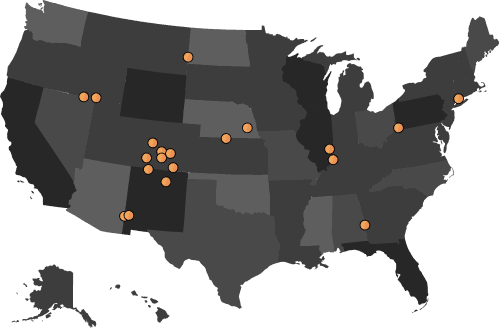
    City map with location markers

    Frequently Asked QuestionsHere's everything you may ask...

    Six Sigma Awareness Training is a one-day, non-certification course that introduces the Six Sigma methodology, the DMAIC improvement cycle, and the key concepts, roles and tools used on improvement projects. It is designed for employees, managers and leaders in Rwanda who want to understand Six Sigma and support projects without becoming full-time practitioners.

    General

    What is Six Sigma Awareness Training?

    Six Sigma Awareness Training is a one-day, non-certification course that introduces the Six Sigma methodology, the DMAIC improvement cycle, and the key concepts, roles and tools used on improvement projects. It is designed for employees, managers and leaders in Rwanda who want to understand Six Sigma and support projects without becoming full-time practitioners.

    Is Six Sigma awareness worth it for professionals in Rwanda?

    Yes. As Rwanda's manufacturing and services sectors grow and Made in Rwanda raises quality expectations, employers value staff who understand structured process improvement. The awareness you gain is immediately useful and forms a foundation for Yellow or Green Belt training later.

    Who should attend this course?

    The training suits employees, team members, supervisors, managers and senior leaders in any sector, plus anyone considering progressing to Yellow or Green Belt. No prior quality or statistical knowledge is needed.

    Do I need any prior experience or qualifications?

    No. There are no prerequisites. The course is built for a general audience and explains every concept from the ground up, so beginners and experienced staff alike can follow it comfortably.

    What is DMAIC and will it be covered?

    DMAIC stands for Define, Measure, Analyse, Improve and Control, the five-phase Six Sigma roadmap for improving existing processes. The course walks through all five phases at awareness level so you understand what happens in each.

    Pricing

    How much does Six Sigma Awareness Training cost in Rwanda?

    Fees vary by delivery format, group size and whether you book as an individual or a corporate group. As there is no exam or external body, the price covers training and materials only. Current pricing is available on request, so request a quote to get started.

    What is included in the course fee?

    The fee typically includes instructor-led training across all six modules, learning materials, interactive exercises and case examples, and a course completion record from Invensis Learning. Corporate bookings can include tailored content.

    Are there group or corporate discounts?

    Yes. We offer corporate group pricing for teams and departments, which is often the most cost-effective option when training many staff as part of a Six Sigma rollout. Ask about corporate and group rates for a tailored quote.

    Are there any exam or membership fees?

    No. This is a non-certification course with no examination and no external membership, so there are no separate exam or body fees. You pay only for the training itself.

    What payment options are available?

    We accept major cards and bank transfers, and offer flexible options for corporate bookings. Speak with a learning advisor to arrange a payment method that suits you.

    Assessment

    Is there an exam for this course?

    No. Six Sigma Awareness Training has no examination. Learning is reinforced through interactive discussion, real-world case examples and team exercises during the one-day programme.

    Do I receive a certificate?

    You receive a course completion record from Invensis Learning after finishing the programme. This is not a formal certification, as awareness training has no external awarding body, but it confirms your participation and understanding.

    Will this qualify me to lead Six Sigma projects?

    No. This is an awareness-level course, not a practitioner qualification. To lead DMAIC projects you would progress to Lean Six Sigma Yellow Belt, Green Belt or Black Belt training. Awareness training is the ideal first step.

    Is the course backed by a governing body?

    Six Sigma is a methodology rather than a certification scheme, so awareness training has no single governing body. The content is grounded in the established Six Sigma body of knowledge developed since its origins at Motorola and GE.

    How is my understanding checked during the day?

    There is no formal assessment. Instead, interactive discussions and team exercises throughout the day let you apply Six Sigma concepts to your own work, reinforcing what you learn as you go.

    Course Content

    What topics does the training cover?

    The course covers Six Sigma history and philosophy, key concepts and vocabulary, the five phases of DMAIC, Six Sigma roles, an awareness-level look at core tools, and Lean Six Sigma, all in a single day.

    What will I learn about DMAIC and quality tools?

    You will understand each DMAIC phase and gain awareness of tools such as SIPOC, the Fishbone diagram, Pareto charts, control charts and process capability, so you can follow and support project work.

    How long is the training?

    The programme runs for one day, totalling eight hours. It can also be delivered as two half-days, covering the same six modules with discussion and case examples throughout.

    Is the course suitable for non-technical staff?

    Yes. It is written for a general audience with no assumed background in quality or statistics, making it ideal for staff across operations, administration, finance and leadership.

    What materials will I receive?

    You receive structured learning materials and reference notes covering all six modules, along with case examples you can relate to your own workplace.

    Enrollment

    How do I enrol in Six Sigma Awareness Training?

    You can enrol through the Invensis Learning website. Choose your preferred format, complete your booking, and you will receive joining details, the schedule and your learning materials. Talk to a learning advisor if you need help choosing.

    What delivery formats are available in Rwanda?

    The course is available as live virtual (online) instructor-led training, classroom sessions and corporate onsite delivery, so you can pick the format that fits your schedule and location.

    Can this be delivered onsite for my organisation?

    Yes. Onsite and corporate group delivery is popular, letting an entire team, department or site build a shared Six Sigma vocabulary at once. Ask about corporate training for your team.

    How soon can I start?

    New sessions run regularly, and corporate dates can be arranged around your team's availability. See upcoming schedules or contact us to confirm the next available session.

    Can I reschedule my booking?

    Yes. Flexible options let you reschedule to another session where needed. Contact our support team to arrange this.