Course Overview

    Overview

    Course Highlights

    Eligibility Criteria

    Benefits

    Exam Format

    Master the Seven Quality Control Tools for Problem-Solving and Process ImprovementUntitledWhat Does This Training Deliver?

    The 7 QC Tools Training course teaches the seven foundational quality control tools—Cause-and-Effect Diagram, Check Sheet, Control Chart, Histogram, Pareto Chart, Scatter Diagram and Stratification—that are essential for quality management, defect investigation and continuous improvement. Invensis Learning's instructor-led programme combines concept explanation, worked examples and hands-on practice so you gain practical facility with each tool. You learn when to use each tool, how to construct it, and how to apply findings to drive real process improvement. The tools are used across manufacturing, operations, healthcare, and service industries worldwide, and form the foundation of Lean, Six Sigma and ISO 9001 quality management systems. Whether you are a quality professional, operations manager, or process improvement practitioner in Barbados, this training builds the capability employers value for identifying root causes, tracking process performance and solving quality problems with data and structure.
    Master the Seven Quality Control Tools for Problem-Solving and Process ImprovementWhat Does This Training Deliver?

    The 7 QC Tools Training course teaches the seven foundational quality control tools—Cause-and-Effect Diagram, Check Sheet, Control Chart, Histogram, Pareto Chart, Scatter Diagram and Stratification—that are essential for quality management, defect investigation and continuous improvement.

    Invensis Learning's instructor-led programme combines concept explanation, worked examples and hands-on practice so you gain practical facility with each tool. You learn when to use each tool, how to construct it, and how to apply findings to drive real process improvement. The tools are used across manufacturing, operations, healthcare, and service industries worldwide, and form the foundation of Lean, Six Sigma and ISO 9001 quality management systems.

    Whether you are a quality professional, operations manager, or process improvement practitioner in Barbados, this training builds the capability employers value for identifying root causes, tracking process performance and solving quality problems with data and structure.

    Certification Badge

    Key Highlightsof the 7 QC Tools Training Training Course

    End-to-End Skill Development

    • Structured 7 QC Tools training in the Barbados designed to help learners understand the core concepts, tools, methods, and practices covered in the program through instructor-led 7 QC Tools training
    • Course content aligned with current industry expectations, workplace requirements, and practical learning objectives for quality management professionals in the Barbados seeking a 7 QC Tools course online
    • Real-world examples and scenario-based learning delivered through 7 QC Tools training online to help learners connect quality control concepts with everyday professional situations across manufacturing, healthcare, IT, and services
    • Guided learning support to help participants strengthen understanding, improve confidence, and apply the 7 QC Tools effectively at work through a structured 7 QC Tools training program

    Structured Courseware and Learning Resources

    • Access to organized 7 QC Tools course materials including Pareto chart templates, fishbone diagram worksheets, control chart reference cards, and scatter diagram plotting guides designed to support step-by-step learning
    • Topic-wise learning resources, exercises, and knowledge checks to reinforce understanding of data collection, analysis, and defect identification techniques
    • Practice activities, assignments, quizzes, or workplace-based exercises included where applicable as part of a 7 QC Tools bootcamp
    • Supplementary learning aids such as check sheet designs, histogram construction guides, flowchart design tools, and QC data analysis worksheets supported through 7 QC Tools coaching

    Instructor-Led, Practical Learning Experience

    • Live interactive sessions delivered by experienced quality management practitioners with relevant domain expertise across manufacturing, process improvement, and quality assurance
    • Real-world examples, case discussions, and applied quality analysis activities to improve practical understanding of each of the seven tools
    • Opportunities to ask questions, clarify doubts, and participate in trainer-led discussions on defect analysis, root cause identification, and process stability assessment
    • Training approach focused on helping learners use the 7 QC Tools at work, not just complete the course content

    Flexible Learning Support in Barbados

    • Flexible training formats available for individual learners and corporate teams in the Barbados
    • Options may include live virtual classroom training, onsite training, self-paced learning, or customized group training depending on availability
    • Learning support designed to help participants stay on track before, during, and after the 7 QC Tools training
    • Additional revision, refresher, or post-training support may be available based on the selected course

    Learn the Core Concepts Covered in the Course

    • Understand foundational quality control principles and how the seven tools work together to support continuous improvement and defect reduction
    • Learn Pareto analysis, fishbone diagramming, control chart interpretation, and scatter diagram plotting based on the course curriculum
    • Explore practical use cases showing how the 7 QC Tools are applied across manufacturing, healthcare, IT, and service delivery environments
    • Build role-relevant knowledge of data collection methods, process flow analysis, and statistical quality techniques that support better decision-making and workplace performance

    Practice, Assessment, and Completion Support

    • Practice constructing Pareto charts, control charts, histograms, and scatter diagrams through quizzes, exercises, and scenario-based activities where applicable
    • Use assessments to identify knowledge gaps in quality control concepts and strengthen understanding of weaker areas
    • Receive guidance from instructors or learning support teams to improve understanding of tool application and stay aligned with course objectives
    • Earn a course completion certificate after successfully meeting the training requirements

    Career and Workplace Application

    • Build practical quality management skills that can support career growth, role advancement, or improved job performance in the Barbados
    • Strengthen confidence in applying Pareto analysis, fishbone diagrams, control charts, and other quality tools to real-world process improvement challenges
    • Improve professional credibility through structured, skill-focused 7 QC Tools training recognized across Barbados industries
    • Support organizational capability building when delivered as corporate or team training across quality, manufacturing, operations, and healthcare sectors

    7 QC Tools Training Eligibility in the BarbadosWho Can Enroll?

    • No prior quality control experience is required to enroll; the 7 QC Tools training is open to all working professionals in the Barbados

    • Basic familiarity with workplace processes or quality concepts is helpful but not mandatory for enrollment

    • Professionals from manufacturing, healthcare, IT, and service sectors will find the course immediately applicable to their roles

    • Quality control professionals, supervisors, process improvement specialists, and Lean Six Sigma practitioners are well suited for this training

    • Anyone seeking to strengthen data analysis, defect identification, and process improvement skills in the Barbados will benefit from this program

    BenefitsOf the 7 QC Tools Training

    For Individuals

    For Individuals

    7 QC Tools training helps quality and operations professionals develop practical problem-solving skills that translate directly to the workplace. The seven tools form a shared language for quality improvement used across Barbados's manufacturing, tourism, healthcare, and energy sectors. After training, you can apply these tools to real quality challenges, lead root-cause analysis sessions with your team, and contribute to continuous improvement programmes at your organisation.

    Quality professionals and operations managers who master the seven QC tools become trusted problem-solvers in their organisations. These tools are sought after in Barbados's manufacturing and hospitality sectors, where operational quality and consistency drive customer satisfaction and efficiency.

    • Apply practical problem-solving tools to real quality and operational challenges
    • Lead root-cause analysis and process improvement projects with confidence
    • Contribute meaningfully to Lean, Six Sigma and ISO 9001 quality programmes
    • Gain a globally recognised skill set valued across sectors
    • Become the go-to problem-solver in your team
    • Track process performance and detect problems early with control charts
    • Make data-driven decisions using structured quality tools
    • Advance into quality leadership and process improvement roles
    For Organizations

    For Organizations

    Team training in the 7 QC Tools builds a shared quality language across your operations. When multiple team members master these tools, your organisation can solve problems faster, reduce defects more systematically and embed continuous improvement into daily practice. The seven QC tools are especially valuable in Barbados's manufacturing, hospitality and healthcare sectors, where operational consistency and quality directly impact customer satisfaction and business results.

    Organisations that train their teams in the 7 QC Tools see faster problem resolution, more consistent quality, and stronger employee engagement in improvement initiatives. The tools create a structured, repeatable approach to quality that scales across departments.

    • Build a shared problem-solving culture across teams and departments
    • Reduce defects and quality issues through structured root-cause analysis
    • Strengthen quality consistency in manufacturing, operations and service delivery
    • Enable data-driven decision-making at all levels
    • Prepare teams for Lean, Six Sigma or ISO 9001 quality programmes
    • Improve operational efficiency through systematic process improvement
    • Reduce training costs and rework by preventing problems earlier
    • Support organisational capability building in quality management

    Why 7 QC Tools Training in Barbados?Career Growth Opportunity

    Quality management and continuous improvement skills are in high demand across Barbados's manufacturing, tourism, healthcare and energy sectors. The seven QC tools are the foundation every quality professional needs. Our 7 QC Tools course in Barbados equips professionals with these essential problem-solving capabilities.

    BBD 48,000

    Operations Manager salary in Barbados

    per year average, 2026

    Tourism & Energy

    Quality roles growth sector

    fastest-hiring in Barbados 2026

    BBD 38,780

    Quality Assurance Manager salary

    per year average, Paylab 2026

    SECTORS HIRING

    • —Manufacturing and Food & Beverage Production
    • —Tourism, Hospitality and Resorts
    • —Healthcare and Pharmaceutical
    • —Energy and Renewable Energy (Growth Sector)
    • —Business Services and Logistics
    • —Construction and Infrastructure

    GROWTH TRENDS

    • —Tourism recovery and expansion (airport modernisation, resort upgrades)
    • —Energy sector transformation toward 100% renewable by 2030
    • —Manufacturing quality standards increasing as global supply chains shift
    • —Hospitality sector demanding higher service and operational standards
    • —Organisations adopting Lean and ISO 9001 for competitive advantage
    • —Skills shortage in operations and quality roles across Barbados

    Sources: Barbados Statistical Service, Central Bank of Barbados (Economic Review Q1 2026), Jobs.bb, Paylab.com, PayScale (Barbados) 2026.

    Industry Challenges Driving Quality Skills Demand

    Manufacturing Quality Standards Rising

    Barbados's manufacturing sector, led by companies like Gildan Activewear, faces increasing pressure to meet global quality and efficiency standards. The seven QC tools are the structured approach to solving defects and maintaining consistency.

    Tourism Quality and Guest Satisfaction

    Barbados's tourism sector (15,200+ employees) depends on operational excellence and guest satisfaction. Quality and process improvement tools help resorts and hospitality teams maintain high standards and reduce service failures.

    Energy Transition and Reliability

    Barbados's transition to 100% renewable energy by 2030 requires reliable operations. The seven QC tools help energy companies (BNECL, BLPC) track system performance, prevent failures, and optimise operations.

    Healthcare Quality and Patient Safety

    Barbados's healthcare sector depends on consistent, high-quality processes. Quality control tools help hospitals and pharmaceutical organisations identify risks, improve procedures and ensure patient safety.

    Operational Efficiency and Cost Pressure

    Organisations across Barbados's sectors face margin pressure and the need to do more with less. Systematic quality improvement using the seven QC tools reduces waste, rework and defects, directly improving profitability.

    Skills Shortage in Quality and Operations

    Barbados faces a shortage of quality professionals and operations managers trained in systematic problem-solving. The seven QC tools are the foundation every quality role requires.

    Sources: Barbados Chamber of Commerce, Central Bank of Barbados, Ministry of Labour and Social Partnership Relations (2026).

    The PMP is more than a credential — it's a career multiplier.UntitledJoin 1.2M+ certified professionalsUntitledleading the world's most complex projects. Start your journey today.

    Your Barbados Career Transformation
    Where You Stand Today,

    And Where 7 QC Tools Training Takes You

    Quality professionals in Barbados are increasingly expected to demonstrate structured problem-solving capability. Here is the shift you gain from mastering the seven QC tools.

    Today

    Problem-solving by trial and error, without structured methodology

    After 7 QC Tools

    Systematic approach to root-cause analysis using the fishbone diagram and data tools

    Today

    Limited visibility into whether processes are stable or trending out of control

    After 7 QC Tools

    Real-time process monitoring using control charts to detect and prevent problems early

    Today

    Quality challenges addressed reactively, after failures occur

    After 7 QC Tools

    Proactive capability to anticipate and prevent defects before they reach customers

    Today

    Career advancement limited by lack of measurable quality improvement skills

    After 7 QC Tools

    Positioned for quality leadership, operations management and process improvement roles

    You Master the 7 QC Tools

    Before

    Salary competitiveness average for operations roles in Barbados

    Now you have

    Process improvement and quality expertise commanding higher salaries (BBD 48,000-51,000+ annually)

    Before

    Overlooked for quality and continuous improvement project leadership

    Now you have

    Credibility to lead root-cause analysis, improvement initiatives and quality projects

    Before

    Limited transferability of skills across organisations and sectors

    Now you have

    Globally recognised tools used across manufacturing, tourism, healthcare and energy sectors

    "The seven QC tools are the language of quality improvement used everywhere on the island—from Gildan to the hotels to healthcare. Master them, and doors open."

    Join hundreds of Barbados professionals who trained with Invensis Learning and advanced their quality careers.

    Sources: Barbados Chamber of Commerce, Central Bank Economic Review (Q1 2026), Jobs.bb, Paylab.com 2026.

    Module 1: Introduction to Quality Control Tools

    • Overview of the 7 QC Tools and their role in quality management and process improvement
    • Importance of data-driven decision-making in quality control and continuous improvement programs
    • Evolution of quality control tools and their integration with Lean, Six Sigma, and total quality management
    • How the seven tools work together to identify, analyse, and resolve quality problems in the workplace

    Module 2: Pareto Chart

    • Understanding Pareto analysis and the 80/20 principle in quality and defect management
    • Constructing a Pareto chart from raw defect and frequency data
    • Interpreting Pareto charts to prioritize quality improvement efforts and resource allocation
    • Applying Pareto analysis to manufacturing, service, and process improvement scenarios

    Module 3: Cause and Effect Diagram (Fishbone)

    • Creating cause and effect diagrams to identify root causes of quality problems
    • Categorizing causes across man, machine, method, material, measurement, and environment
    • Facilitating root cause analysis sessions using the fishbone diagram structure
    • Applying fishbone diagrams to defect investigation and corrective action planning

    Module 4: Check Sheet

    • Designing check sheets for structured and consistent data collection in quality environments
    • Selecting the appropriate check sheet type for defect recording, frequency analysis, and location mapping
    • Collecting quality data using check sheets in manufacturing, service, and process settings
    • Analysing check sheet data to identify patterns, trends, and improvement opportunities

    Module 5: Histogram

    • Constructing histograms from quality and process measurement data
    • Interpreting data distribution patterns including normal, skewed, bimodal, and out-of-control distributions
    • Using histograms to assess process capability and identify variation sources
    • Applying histogram analysis to production data, measurement systems, and service delivery metrics

    Module 6: Scatter Diagram

    • Plotting scatter diagrams to visualize the relationship between two process variables
    • Identifying positive, negative, and no-correlation patterns in quality and process data
    • Conducting trend analysis using scatter diagrams to support root cause investigation
    • Applying scatter diagram analysis to process optimization and variable relationship studies

    Module 7: Control Charts

    • Understanding control charts and their role in monitoring process stability over time
    • Constructing X-bar and R charts for variable data and interpreting control limits
    • Using p-charts and c-charts for attribute data including defect proportions and defect counts
    • Identifying out-of-control signals, trends, and special cause variation in control chart data
    • Applying control charts to production monitoring, quality audits, and process capability assessment

    Module 8: Flowchart

    • Creating process flow diagrams to map and visualize workflow sequences and decision points
    • Using standard flowchart symbols for processes, decisions, inputs, outputs, and connectors
    • Conducting workflow analysis to identify inefficiencies, bottlenecks, and improvement opportunities
    • Applying flowcharting to quality process documentation, procedure mapping, and improvement planning

    Module 9: Implementation Strategies and Case Studies

    • Planning the deployment of the 7 QC Tools within a quality improvement project or program
    • Selecting the right tool for each stage of a quality problem-solving process
    • Reviewing case studies from manufacturing, healthcare, IT, and services showing real-world 7 QC Tools application
    • Building an implementation roadmap for integrating the 7 QC Tools into ongoing quality management activities

    Course Curriculumof the 7 QC Tools Training

    The 7 QC Tools training curriculum in the Barbados is structured across nine modules covering all seven core quality tools plus implementation strategies and real-world case studies. The program is designed to be practical, with each module aligned to real quality improvement responsibilities and workplace scenarios across manufacturing, healthcare, IT, and service sectors.

    • Overview of the 7 QC Tools and their role in quality management and process improvement
    • Importance of data-driven decision-making in quality control and continuous improvement programs
    • Evolution of quality control tools and their integration with Lean, Six Sigma, and total quality management
    • How the seven tools work together to identify, analyse, and resolve quality problems in the workplace

    These 7 simple tools quietly power quality control programs from car factories to hospital labs.

    image

    100% Secure and Safe download

    What You Will LearnFrom 7 QC Tools Training

    The 7 QC Tools training program teaches the foundational skills every quality professional needs: structured problem-solving, process monitoring, data analysis and continuous improvement.

    Root-Cause Analysis with the Fishbone Diagram

    Master the cause-and-effect (Ishikawa) diagram to structure team brainstorming and systematically identify the root causes of quality problems, defects and process failures.

    Data Collection and Check Sheets

    Learn to design and use check sheets to collect objective, consistent quality data at the point of occurrence, turning subjective observations into data you can analyse.

    Process Control with Control Charts

    Apply statistical process control (SPC) charts to track process performance over time, distinguish between normal variation and signals requiring action, and detect problems early.

    Distribution Analysis and Histograms

    Use histograms to visualise how data is distributed, assess whether process output meets specifications, and reveal whether the process is stable or has multiple modes.

    Priority Focus with Pareto Analysis

    Apply the Pareto principle (80/20 rule) to identify and prioritise the vital few causes responsible for most defects, so improvement effort targets the biggest impact.

    Correlation and Scatter Diagrams

    Test suspected cause-and-effect relationships by plotting paired data and calculating correlation, to confirm whether a process variable actually influences quality outcomes.

    Data Stratification for Deeper Insight

    Separate data into meaningful subgroups (by machine, shift, operator, material) to reveal hidden patterns and target improvement precisely where it matters most.

    Practical Application in Quality and Operations

    Apply all seven tools to real quality scenarios in manufacturing, operations, hospitality and service environments, and contribute confidently to Lean, Six Sigma and ISO 9001 programmes.

    Who Should Take7 QC Tools Training in Barbados?

    Quality Control Professionals

    Manufacturing Specialists

    Process Improvement Experts

    Project Managers

    Data Analysts

    QA Specialists

    Team Leaders and Supervisors

    Lean Six Sigma Practitioners

    Who Can Take This Certification Training

    7 QC Tools Training Modesfor Professionals and Teams

    We offer flexible training formats designed to suit different learning preferences, schedules, and professional goals. Whether you prefer self-paced learning or a structured learning experience, choose the option that best supports your certification and skill development journey.

    7 QC Tools Live Virtual Training

    • Live online instructor-led sessions

    • Interactive discussions and virtual activities

    • Expert guidance from experienced trainers

    • Practice assessments and revision support

    • Dedicated Q&A sessions for concept clarification

    • Fixed schedules for accountability and momentum

    • Small batch sizes for personalized attention

    • Access from any location with internet connectivity

    BBD 850

    Attend fully interactive virtual 7 QC Tools training sessions from anywhere while benefiting from real-time instructor guidance and collaborative learning experiences.

    Untitled

    Best For: Professionals seeking the flexibility of online learning without compromising on live instructor interaction.

    Untitled

    7 QC Tools Classroom Training

    • Instructor-led classroom sessions

    • Interactive discussions and group activities

    • Real-world examples and practical exercises

    • Structured learning with fixed schedules

    • Opportunities for peer networking and collaboration

    • Practice assessments and knowledge checks

    • Dedicated Q&A and concept clarification

    • Immediate trainer feedback and support

    Untitled

    Learn through face-to-face sessions led by experienced instructors in a collaborative environment. This classroom 7 QC Tools training format combines expert guidance, peer interaction, and hands-on activities to create an engaging learning experience.

    Untitled

    Best For: Learners who prefer in-person interaction, structured schedules, and collaborative learning experiences.

    Untitled

    7 QC Tools Corporate Group Training

    • Customized training aligned to organizational goals

    • Flexible delivery: onsite, virtual, hybrid, or blended

    • Scheduling tailored to business availability

    • Role-based examples and industry-relevant discussions

    • Progress tracking and learner assessments where applicable

    • Dedicated coordination and administrative support

    • Consistent learning experiences across teams

    • Scalable delivery for local, regional, or global workforces

    Untitled

    Designed for organizations that want to build capabilities at scale, standardize knowledge, and support workforce development through Corporate 7 QC Tools training program.

    Untitled

    Best For: Organizations looking to upskill employees, address capability gaps, and deliver consistent training across teams.

    Untitled

    7 QC Tools Focused 1-to-1 Training

    • One-to-one instructor attention

    • Customized learning plans and objectives

    • Flexible scheduling based on availability

    • Personalized feedback and coaching

    • Additional focus on challenging topics

    • Targeted practice and revision support

    • Faster clarification of questions and concepts

    • Learning pace is adapted to individual needs

    Untitled

    Receive personalized instruction tailored to your goals, pace, and learning requirements through dedicated sessions delivered by 7 QC Tools training institute.

    Untitled

    Best For: Professionals seeking personalized guidance, accelerated learning, or focused support to achieve specific outcomes.

    Untitled

    7 QC Tools Live Virtual Training

    7 QC Tools Live Virtual Training

    Live online instructor-led sessions

    Interactive discussions and virtual activities

    Expert guidance from experienced trainers

    Practice assessments and revision support

    Dedicated Q&A sessions for concept clarification

    Fixed schedules for accountability and momentum

    Small batch sizes for personalized attention

    Access from any location with internet connectivity

    Starts from

    BBD 850

    Please Note:Attend fully interactive virtual 7 QC Tools training sessions from anywhere while benefiting from real-time instructor guidance and collaborative learning experiences.

    Best For: Professionals seeking the flexibility of online learning without compromising on live instructor interaction.

    Loading schedules…

    Why Choose Invensis LearningFor Your 7 QC Tools Training in Barbados?

    As a leading 7 QC Tools training company in Barbados, Invensis Learning delivers instructor-led training for quality professionals, operations managers and improvement teams. Our programmes combine experienced instructors, practical hands-on exercises, organised courseware and real-world application to build capability you can use immediately. Whether you are upskilling as an individual or training a team, we provide a structured, practical learning experience designed to move you from learning to mastery of the seven quality control tools.

    • Experienced instructors with practical quality management and Lean/Six Sigma expertise
    • Hands-on exercises where you build each tool and apply it to realistic quality scenarios
    • Flexible delivery formats including live virtual, classroom and corporate group training
    • Organised course materials and templates for each of the seven tools
    • Real-world examples from manufacturing, hospitality, healthcare and energy sectors
    • Post-training support to help you apply the tools confidently in your workplace
    • Customised corporate training aligned to your organisation's quality priorities
    • Scalable delivery for individuals, teams and departments across Barbados
    • Competitive pricing and flexible scheduling that fits working professionals
    • Trusted by professionals and organisations across multiple industries in Barbados

    50+

    Training Courses

    25,000+

    Professional Learners Trained

    ISO 9001:2015 Certified

    ISO 9001:2015 Certified

    ISO 27001:2022 Certified

    ISO 27001:2022 Certified

    Secure SSL Encryption

    Secure SSL Encryption

    Leaders in Training industry for 12+ years

    Leaders in Training industry for 12+ years

    Over 5000 five star reviews

    Over 5000 five star reviews

    Level AA conformance, W3C WCAG 2.2

    Level AA conformance, W3C WCAG 2.2

    7 QC Tools Training Locations in the BarbadosAll our classroom training is now available online at your convenience

    7 QC Tools Training in Barbados

    Hilton Barbados Resort, Barbados

    7 QC Tools Training in Barbados

    Radisson Aquatica Resort, Aquatic Gap, Bridgetown, Saint Michael, BB14203, Barbados

    corporate banner

    Corporate 7 QC Tools Training Upskill Your Team in Barbadosfor Your In-House Teams

    Untitled

    • Team-based learning creates shared problem-solving language across your organisation
    • Customised training schedules and formats aligned to your team availability
    • Flexible delivery through live virtual, classroom, onsite or hybrid formats
    • Expert trainers with experience in quality management and process improvement
    • Role-based examples and exercises relevant to your sector and operations
    • Scalable delivery for small teams, departments or enterprise-wide programmes
    • Post-training support to help your team apply the tools to real projects

    Leading organizations we’ve worked with

    IntelAmazonVerizonKingAirbus

    What Our Learners Say

    Untitled

    Practical and Immediately Applicable

    "The fishbone diagram and Pareto chart sections were exactly what we needed to structure our quality improvement work. The trainer made the tools practical and immediately usable in our manufacturing environment."

    Marcus Johnson

    Quality Manager

    Untitled

    0/0

    Changed How Our Team Approaches Problems

    "I appreciated how the course covered all seven tools with real examples. The control chart module helped us set up monitoring for our production line. Our team's problem-solving is much more structured now."

    Simone Clarke

    Operations Supervisor

    Untitled

    0/0

    Strong Foundation for Quality Leadership

    "Solid foundational training in the quality tools. The hands-on exercises helped me understand when to use each tool. I'm now leading improvement projects with confidence in our hospitality team."

    David Russell

    Process Improvement Lead

    Untitled

    0/0

    Perfect Fit for Our Healthcare Team

    "Our team of five attended together and we immediately applied the tools to our workflow. The trainer understood our healthcare context and gave examples we could relate to. Best investment in our team this year."

    Dr Natasha Williams

    Healthcare Quality Lead

    Untitled

    0/0

    Clear and Well-Structured

    "Clear, well-structured course. The check sheet and histogram sections were especially useful for our data collection and analysis. Recommend this for any quality professional in Barbados."

    Alicia Smith

    Quality Assurance Manager

    Untitled

    0/0


    Trustpilot

    4.6

    Ratings

    100K+

    Happy Learners

    100+

    Locations Worldwide

    99%

    Training Satisfaction

    Enquire with us now

    Drop us a query and our learning consultant will reach out to you shortly

    Get Course Details & Pricing

    Fill out this form and we will respond quickly.

    We also deliver 7 QC Tools Trainingacross multiple cities

    Invensis Learning delivers industry-leading 7 QC Tools Training training solutions tailored for individuals and organizations.

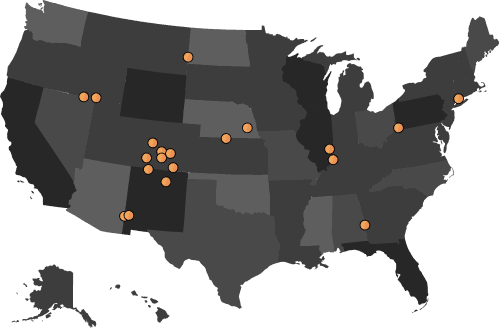
    City map with location markers

    Frequently Asked QuestionsHere's everything you may ask...

    The seven quality control tools - Cause-and-Effect Diagram, Check Sheet, Control Chart, Histogram, Pareto Chart, Scatter Diagram, and Stratification - are foundational problem-solving tools for manufacturing, healthcare, and service industries. They help identify root causes, track performance, and drive continuous improvement within Lean, Six Sigma, and ISO 9001 frameworks.

    General

    What are the seven QC tools and why should I learn them?

    The seven quality control tools - Cause-and-Effect Diagram, Check Sheet, Control Chart, Histogram, Pareto Chart, Scatter Diagram, and Stratification - are foundational problem-solving tools for manufacturing, healthcare, and service industries. They help identify root causes, track performance, and drive continuous improvement within Lean, Six Sigma, and ISO 9001 frameworks.

    Is the 7 QC Tools training right for me?

    Yes, if you are a quality professional, operations manager, process improvement practitioner, engineer or team member involved in quality and continuous improvement in any sector. The tools are accessible to anyone regardless of statistical background; they were designed to be used by all workers in a quality environment.

    What is the career value of learning the 7 QC tools in Barbados?

    Quality and operations roles in Barbados (manufacturing, tourism, healthcare, energy) increasingly demand systematic problem-solving skills. Operations managers earn BBD 48,000+ annually, and process improvement specialists command competitive salaries. The seven QC tools are a foundation skill for quality leadership and advancement in Barbados's growing sectors.

    How do the seven QC tools connect to Lean, Six Sigma and ISO 9001?

    The seven QC tools are foundational to all quality improvement methodologies. They are used in the Analyse and Control phases of Six Sigma DMAIC, in Lean process mapping and kaizen, and to build quality systems under ISO 9001. Mastering them first accelerates your progress into any of these advanced programmes.

    Is there an exam or certification at the end of the training?

    No. The 7 QC Tools training is a skills development course, not a certification programme. Upon successful completion, you receive a Course Completion Certificate from Invensis Learning acknowledging your training. The value is in the practical skills you gain and can apply immediately in your work.

    Pricing

    How much does 7 QC Tools training cost in Barbados?

    Instructor-led training pricing varies by format and schedule. Contact Invensis Learning for a quote tailored to your individual or group needs. We offer flexible payment options and pricing is available on request.

    What is included in the training fee?

    The training fee includes expert instruction, practical exercises, course materials, templates for each of the seven tools, worked examples, real-world case studies and a course completion certificate. Post-training email support is also available.

    Do you offer group or team discounts?

    Yes. We offer corporate group training with customised schedules and volume-based pricing for teams, departments and organisations in Barbados. Contact us for a tailored corporate training quote.

    What payment and instalment options are available?

    We accept major payment methods and offer flexible payment options including instalments on selected plans. Contact our team to discuss the option that works best for you.

    Is there a money-back guarantee or flexible rescheduling?

    Yes, we offer flexible options including rescheduling and transfer to other batches on selected plans. Speak with our team about the guarantee and flexibility options available on your chosen plan.

    Course Content

    What topics does the 7 QC Tools training cover?

    The training covers all seven tools in depth: Cause-and-Effect Diagram (root-cause analysis), Check Sheet (data collection), Control Chart (process monitoring), Histogram (distribution analysis), Pareto Chart (priority analysis), Scatter Diagram (correlation testing) and Stratification (data analysis by subgroup), plus practical application in real scenarios.

    What learning materials and resources are provided?

    You receive comprehensive course materials including step-by-step guides for each tool, worked examples, real-world case studies, downloadable templates and exercises. All materials are organised by tool for easy reference during and after training.

    Is the training hands-on and practical?

    Yes. The training combines concept explanation with practical exercises where you build each tool and apply it to realistic quality scenarios. This hands-on approach ensures you gain facility and confidence with each tool by the end of the programme.

    Will the training include sector-specific examples?

    Our trainers bring experience across multiple sectors and use examples from manufacturing, hospitality, healthcare, energy and service industries. For corporate group training, we can customise examples to your specific sector and operations.

    Do I need statistics or technical knowledge to learn the tools?

    No. The seven QC tools were designed by Kaoru Ishikawa to be accessible to all workers regardless of statistical background. The tools are practical and visual, and the training teaches them from first principles with simple examples.

    Enrollment

    What training formats are available?

    We offer a 7 QC Tools course online delivered through live virtual classroom training, alongside classroom training and customised corporate group training for teams and organisations. Choose the format that fits your schedule and learning preference.

    How long is the training and what is the schedule?

    The core 7 QC Tools training is typically delivered in a single-day or multi-session format. Contact us for the exact duration and schedule options that fit your availability.

    Are there any prerequisites to enroll?

    No formal prerequisites. The training is open to quality professionals, operations managers, engineers, team members and anyone interested in learning practical quality improvement tools. No prior quality knowledge is required.

    How do I enroll in the 7 QC Tools training?

    Visit the Invensis Learning website or contact our team to enrol. We will guide you through schedule options, training format, payment and next steps. You can also request a quote for team or corporate training.

    Can I reschedule my training to another date or batch?

    Yes. We offer flexible rescheduling options on selected plans, so you can move your training to another batch if needed. Contact our team to arrange this.