Invensis Learning Logo
    Contact Us
    Resources

    7 QC Tools Training in Singapore

    Solve Quality Problems on the Job

    Build a practical, hands-on command of the seven quality control tools that quality and process teams use every day. This instructor-led programme helps professionals across Singapore's electronics, precision engineering, pharmaceutical and manufacturing sectors turn production data into clear decisions, reduce defects and lead structured problem-solving with confidence.

    Certification Badge

    Flexible

    Duration

    Live

    Mode

    8

    Hours

    15.4K+ already enrolled

    4.4 (1500+ Reviews)

    7 enrolled this week

    10 viewing right now

    Want to Train Your Team?

    Home/View Courses in Singapore/Quality Management Certification Courses in Singapore/7 QC Tools Training in Singapore

    Master 7 QC Tools and Lead Quality Improvement in Singapore

    Starts from

    SGD 510

    Course Overview

    Overview

    Course Highlights

    Eligibility Criteria

    Benefits

    Exam Format

    Turn Quality Data into Better DecisionsUntitledThe Seven QC Tools Explained

    The 7 QC Tools Training in Singapore is a practical, one-day programme that teaches you the seven quality control tools every quality and process team relies on to find and fix problems. You learn to turn everyday production data into clear, defensible decisions rather than opinions. Built around the Seven Quality Control Tools formalised by Kaoru Ishikawa in the 1960s, the course covers the cause-and-effect (fishbone) diagram, check sheet, control chart, histogram, Pareto chart, scatter diagram and stratification. These are the same tools recommended for the data analysis and improvement requirements of ISO 9001:2015, and applied daily in Six Sigma, Lean and Total Quality Management environments. The training suits quality engineers, production supervisors, process improvement practitioners and anyone in Singapore's advanced manufacturing base who wants a shared, hands-on problem-solving toolkit. Start building applied quality skills with Invensis Learning.
    Turn Quality Data into Better DecisionsThe Seven QC Tools Explained

    The 7 QC Tools Training in Singapore is a practical, one-day programme that teaches you the seven quality control tools every quality and process team relies on to find and fix problems. You learn to turn everyday production data into clear, defensible decisions rather than opinions.

    Built around the Seven Quality Control Tools formalised by Kaoru Ishikawa in the 1960s, the course covers the cause-and-effect (fishbone) diagram, check sheet, control chart, histogram, Pareto chart, scatter diagram and stratification. These are the same tools recommended for the data analysis and improvement requirements of ISO 9001:2015, and applied daily in Six Sigma, Lean and Total Quality Management environments.

    The training suits quality engineers, production supervisors, process improvement practitioners and anyone in Singapore's advanced manufacturing base who wants a shared, hands-on problem-solving toolkit. Start building applied quality skills with Invensis Learning.

    Certification Badge

    Key Highlightsof the 7 QC Tools Training Training Course

    End-to-End Skill Development

    • Structured 7 QC Tools training in the Singapore designed to help learners understand the core concepts, tools, methods, and practices covered in the program through instructor-led 7 QC Tools training
    • Course content aligned with current industry expectations, workplace requirements, and practical learning objectives for quality management professionals in the Singapore seeking a 7 QC Tools course online
    • Real-world examples and scenario-based learning delivered through 7 QC Tools training online to help learners connect quality control concepts with everyday professional situations across manufacturing, healthcare, IT, and services
    • Guided learning support to help participants strengthen understanding, improve confidence, and apply the 7 QC Tools effectively at work through a structured 7 QC Tools training program

    Structured Courseware and Learning Resources

    • Access to organized 7 QC Tools course materials including Pareto chart templates, fishbone diagram worksheets, control chart reference cards, and scatter diagram plotting guides designed to support step-by-step learning
    • Topic-wise learning resources, exercises, and knowledge checks to reinforce understanding of data collection, analysis, and defect identification techniques
    • Practice activities, assignments, quizzes, or workplace-based exercises included where applicable as part of a 7 QC Tools bootcamp
    • Supplementary learning aids such as check sheet designs, histogram construction guides, flowchart design tools, and QC data analysis worksheets supported through 7 QC Tools coaching

    Instructor-Led, Practical Learning Experience

    • Live interactive sessions delivered by experienced quality management practitioners with relevant domain expertise across manufacturing, process improvement, and quality assurance
    • Real-world examples, case discussions, and applied quality analysis activities to improve practical understanding of each of the seven tools
    • Opportunities to ask questions, clarify doubts, and participate in trainer-led discussions on defect analysis, root cause identification, and process stability assessment
    • Training approach focused on helping learners use the 7 QC Tools at work, not just complete the course content

    Flexible Learning Support in Singapore

    • Flexible training formats available for individual learners and corporate teams in the Singapore
    • Options may include live virtual classroom training, onsite training, self-paced learning, or customized group training depending on availability
    • Learning support designed to help participants stay on track before, during, and after the 7 QC Tools training
    • Additional revision, refresher, or post-training support may be available based on the selected course

    Learn the Core Concepts Covered in the Course

    • Understand foundational quality control principles and how the seven tools work together to support continuous improvement and defect reduction
    • Learn Pareto analysis, fishbone diagramming, control chart interpretation, and scatter diagram plotting based on the course curriculum
    • Explore practical use cases showing how the 7 QC Tools are applied across manufacturing, healthcare, IT, and service delivery environments
    • Build role-relevant knowledge of data collection methods, process flow analysis, and statistical quality techniques that support better decision-making and workplace performance

    Practice, Assessment, and Completion Support

    • Practice constructing Pareto charts, control charts, histograms, and scatter diagrams through quizzes, exercises, and scenario-based activities where applicable
    • Use assessments to identify knowledge gaps in quality control concepts and strengthen understanding of weaker areas
    • Receive guidance from instructors or learning support teams to improve understanding of tool application and stay aligned with course objectives
    • Earn a course completion certificate after successfully meeting the training requirements

    Career and Workplace Application

    • Build practical quality management skills that can support career growth, role advancement, or improved job performance in the Singapore
    • Strengthen confidence in applying Pareto analysis, fishbone diagrams, control charts, and other quality tools to real-world process improvement challenges
    • Improve professional credibility through structured, skill-focused 7 QC Tools training recognized across Singapore industries
    • Support organizational capability building when delivered as corporate or team training across quality, manufacturing, operations, and healthcare sectors

    7 QC Tools Training Eligibility in the SingaporeWho Can Enroll?

    • No prior quality control experience is required to enroll; the 7 QC Tools training is open to all working professionals in the Singapore

    • Basic familiarity with workplace processes or quality concepts is helpful but not mandatory for enrollment

    • Professionals from manufacturing, healthcare, IT, and service sectors will find the course immediately applicable to their roles

    • Quality control professionals, supervisors, process improvement specialists, and Lean Six Sigma practitioners are well suited for this training

    • Anyone seeking to strengthen data analysis, defect identification, and process improvement skills in the Singapore will benefit from this program

    Why the Seven QC Tools Are Worth LearningSkills You Apply from Day One

    For Individuals

    For Individuals

    The seven quality control tools give you a complete, practical problem-solving kit that works in almost any quality or process role. Rather than reacting to defects, you learn to collect the right data, see what it is telling you, and act on the causes that matter most. Whether you work in electronics, precision engineering, pharmaceuticals, food manufacturing or a service operation, these tools help you cut defects, reduce waste and improve consistency from your very first project.

    If you want a skill that employers across Singapore recognise and value, the seven tools are a smart, accessible starting point. They also form the foundation many professionals build on before progressing to Six Sigma or Lean quality training.

    • Diagnose root causes fast with fishbone and Pareto analysis
    • Read process behaviour using control charts and histograms
    • Base quality decisions on data instead of opinion or guesswork
    • Speak a shared quality language with engineers and managers
    • Apply the tools immediately in any manufacturing or service role
    • Reduce defects, rework and waste in your daily work
    • Build a strong foundation for Six Sigma and Lean progression
    • Gain the confidence to lead structured problem-solving sessions
    For Organizations

    For Organizations

    Group training in the seven quality control tools gives your teams a shared, structured way to investigate problems and improve processes. When quality, production and engineering all use the same tools, root cause analysis becomes faster and improvement sticks. Delivered on-site or live online, the programme helps Singapore manufacturers and service organisations reduce variation, control processes and embed a culture of data-based decision-making.

    If your teams solve the same problems repeatedly or struggle to evidence quality improvement, a common toolkit changes that. The seven tools support ISO 9001 requirements, Lean initiatives and operational excellence goals across business units.

    • Build a common problem-solving toolkit across quality, production and operations
    • Cut defects, rework and scrap through data-driven analysis
    • Strengthen ISO 9001 data analysis and continuous improvement practice
    • Upskill cross-functional teams in one focused day
    • Standardise how teams investigate and resolve quality issues
    • Support Six Sigma and operational excellence initiatives
    • Improve first-pass yield and customer satisfaction
    • Flexible on-site or live online delivery for teams

    Where Quality Skills Lead in SingaporeRoles, Demand and Pay in 2026

    Quality problem-solving skills are in strong demand across Singapore's advanced manufacturing base, from electronics and semiconductors to precision engineering, pharmaceuticals and aerospace. As the AI-driven chip boom lifts output and employers invest heavily in quality and productivity, professionals who complete 7 QC Tools training and can apply the seven quality control tools stand out for roles from quality engineer to process improvement engineer and quality manager. Here is what the market is telling us right now.

    S$58,800

    Quality Engineer average pay, Singapore

    per year, worldsalaries / Jobstreet 2026

    S$164,200

    Quality Assurance Manager average pay

    per year, SalaryExpert 2026

    35.8%

    Electronics cluster output growth

    year-on-year, 2026 (EDB)

    68%

    Manufacturing workforce in PMET roles

    MTI / EDB

    Sectors Hiring

    • —Electronics and Semiconductors
    • —Precision Engineering and Advanced Manufacturing
    • —Pharmaceuticals and Biomedical Sciences
    • —Aerospace and Aero Engine Services
    • —Medical Devices
    • —Food and Beverage Manufacturing

    Growth Trends

    • —AI-driven semiconductor demand lifting electronics output
    • —Micron's US$24bn wafer fab and HBM packaging investment
    • —Manufacturing 2030 vision and AI-empowered factories
    • —SkillsFuture and M2030 workforce upskilling push
    • —AI defect-detection adoption raising quality standards
    • —Strict GMP, ISO 9001 and AS9100 compliance across sectors

    Sources: worldsalaries, SalaryExpert, Jobstreet, PayScale (Singapore) 2026; Singapore EDB and MTI 2026.

    Designation

    7 QC Tools Professionals in Singapore: Salary Insights and Trends

    Companies Hiring in Singapore

    S$28K
    Min
    S$36K
    Average
    S$48K
    Max

    worldsalaries · Jobstreet (Singapore) 2026

    FlexVenture CorporationSunningdale TechUTAC

    Source: Flex · Venture · Sunningdale Tech · UTAC

    What Is Driving Demand for Quality Skills in Singapore

    Zero-Defect Pressure in Semiconductors

    The AI-driven chip boom has pushed electronics output up sharply, and customers expect near-zero defects. Control charts and histograms give teams the statistical control needed to hold tight tolerances.

    Control charts and SPC keep processes in check

    Closing the Manufacturing Skills Gap

    With most of the manufacturing workforce now in professional and technical roles, SkillsFuture and M2030 are pushing upskilling. The seven tools were designed to be accessible to every worker, not just statisticians.

    Practical tools any worker can apply

    Doing More Under Tighter Margins

    Cost and productivity pressure means teams cannot fix everything at once. Pareto analysis separates the vital few problems from the trivial many, so improvement effort delivers the biggest return.

    Pareto analysis focuses effort where it pays

    Compliance Across Regulated Sectors

    Pharmaceutical, aerospace and medical device makers face strict GMP, ISO 9001 and AS9100 requirements. The seven tools provide the documented data collection and analysis these standards expect.

    Structured tools support ISO 9001 and GMP

    Making Sense of Automated Inspection

    AI defect-detection systems now flag issues at scale, but someone still has to find the cause. Fishbone diagrams and scatter analysis turn machine-generated signals into real corrective action.

    Root cause analysis turns data into action

    High-Mix, High-Complexity Production

    Advanced manufacturing runs many products across many lines, shifts and machines. Stratification separates the data so teams can see which condition is actually driving a quality problem.

    Stratification reveals hidden patterns

    Sources: Singapore EDB, MTI and A*STAR 2026; worldsalaries and Jobstreet (Singapore) 2026.

    The seven quality control tools are more than a syllabus. They are the everyday language of quality and process improvement in Singapore's factories and labs. Build practical, job-ready skills that employers value. Start your journey today.

    Your Singapore Quality Upgrade

    From Guesswork to Data-Driven Quality

    Your Before and After

    Singapore's manufacturers are investing heavily in quality, automation and productivity, and they increasingly separate professionals who can analyse data from those who cannot. Here is which side of that line the seven tools put you on.

    Today

    Limited to basic checks with little statistical insight

    After Training

    Able to apply SPC, histograms and stratification with confidence

    Today

    Limited to basic checks with little statistical insight

    Today

    Seen as a doer rather than a problem-solver on the floor

    After Training

    Recognised as a go-to person for structured problem-solving

    Today

    Seen as a doer rather than a problem-solver on the floor

    Today

    Quality skills hard to evidence to Singapore employers

    After Training

    A practical toolkit valued across electronics, precision engineering and pharma

    Today

    Quality skills hard to evidence to Singapore employers

    You Master the Seven Tools

    Before

    Quality problems get fixed by opinion and firefighting

    Now you have

    A structured, data-based method to find real root causes

    Before

    Quality problems get fixed by opinion and firefighting

    Before

    Production data sits in spreadsheets and is rarely analysed

    Now you have

    Control charts and Pareto analysis that turn data into action

    Before

    Production data sits in spreadsheets and is rarely analysed

    Before

    Improvement effort spread thinly across every issue

    Now you have

    The vital few problems prioritised for the biggest gains

    Before

    Improvement effort spread thinly across every issue

    Before

    Each team investigates quality issues in its own way

    Now you have

    A shared toolkit and language across quality and operations

    Before

    Each team investigates quality issues in its own way

    "The best quality teams are not the ones with the most opinions. They are the ones who let the data speak, and the seven tools are how you make it speak."

    Join professionals across Singapore who trained with Invensis Learning and made structured problem-solving second nature.

    Sources: worldsalaries, SalaryExpert, Jobstreet (Singapore) 2026; Singapore EDB 2026.

    Module 1: Introduction to Quality Control Tools

    • Overview of the 7 QC Tools and their role in quality management and process improvement
    • Importance of data-driven decision-making in quality control and continuous improvement programs
    • Evolution of quality control tools and their integration with Lean, Six Sigma, and total quality management
    • How the seven tools work together to identify, analyse, and resolve quality problems in the workplace

    Module 2: Pareto Chart

    • Understanding Pareto analysis and the 80/20 principle in quality and defect management
    • Constructing a Pareto chart from raw defect and frequency data
    • Interpreting Pareto charts to prioritize quality improvement efforts and resource allocation
    • Applying Pareto analysis to manufacturing, service, and process improvement scenarios

    Module 3: Cause and Effect Diagram (Fishbone)

    • Creating cause and effect diagrams to identify root causes of quality problems
    • Categorizing causes across man, machine, method, material, measurement, and environment
    • Facilitating root cause analysis sessions using the fishbone diagram structure
    • Applying fishbone diagrams to defect investigation and corrective action planning

    Module 4: Check Sheet

    • Designing check sheets for structured and consistent data collection in quality environments
    • Selecting the appropriate check sheet type for defect recording, frequency analysis, and location mapping
    • Collecting quality data using check sheets in manufacturing, service, and process settings
    • Analysing check sheet data to identify patterns, trends, and improvement opportunities

    Module 5: Histogram

    • Constructing histograms from quality and process measurement data
    • Interpreting data distribution patterns including normal, skewed, bimodal, and out-of-control distributions
    • Using histograms to assess process capability and identify variation sources
    • Applying histogram analysis to production data, measurement systems, and service delivery metrics

    Module 6: Scatter Diagram

    • Plotting scatter diagrams to visualize the relationship between two process variables
    • Identifying positive, negative, and no-correlation patterns in quality and process data
    • Conducting trend analysis using scatter diagrams to support root cause investigation
    • Applying scatter diagram analysis to process optimization and variable relationship studies

    Module 7: Control Charts

    • Understanding control charts and their role in monitoring process stability over time
    • Constructing X-bar and R charts for variable data and interpreting control limits
    • Using p-charts and c-charts for attribute data including defect proportions and defect counts
    • Identifying out-of-control signals, trends, and special cause variation in control chart data
    • Applying control charts to production monitoring, quality audits, and process capability assessment

    Module 8: Flowchart

    • Creating process flow diagrams to map and visualize workflow sequences and decision points
    • Using standard flowchart symbols for processes, decisions, inputs, outputs, and connectors
    • Conducting workflow analysis to identify inefficiencies, bottlenecks, and improvement opportunities
    • Applying flowcharting to quality process documentation, procedure mapping, and improvement planning

    Module 9: Implementation Strategies and Case Studies

    • Planning the deployment of the 7 QC Tools within a quality improvement project or program
    • Selecting the right tool for each stage of a quality problem-solving process
    • Reviewing case studies from manufacturing, healthcare, IT, and services showing real-world 7 QC Tools application
    • Building an implementation roadmap for integrating the 7 QC Tools into ongoing quality management activities

    Course Curriculumof the 7 QC Tools Training

    The 7 QC Tools training curriculum in the Singapore is structured across nine modules covering all seven core quality tools plus implementation strategies and real-world case studies. The program is designed to be practical, with each module aligned to real quality improvement responsibilities and workplace scenarios across manufacturing, healthcare, IT, and service sectors.

    image

    100% Secure and Safe download

    • Overview of the 7 QC Tools and their role in quality management and process improvement
    • Importance of data-driven decision-making in quality control and continuous improvement programs
    • Evolution of quality control tools and their integration with Lean, Six Sigma, and total quality management
    • How the seven tools work together to identify, analyse, and resolve quality problems in the workplace

    These 7 simple tools quietly power quality control programs from car factories to hospital labs.

    Module 1: Introduction to Quality Control Tools

    • Overview of the 7 QC Tools and their role in quality management and process improvement
    • Importance of data-driven decision-making in quality control and continuous improvement programs
    • Evolution of quality control tools and their integration with Lean, Six Sigma, and total quality management
    • How the seven tools work together to identify, analyse, and resolve quality problems in the workplace

    These 7 simple tools quietly power quality control programs from car factories to hospital labs.

    image

    100% Secure and Safe download

    Skills You Will Build Across the Seven ToolsFishbone, Pareto and Control Charts

    This section answers what you will learn in the seven quality control tools. By the end of the one-day programme you can collect the right data, analyse it with each tool, and connect your findings to real corrective action in your workplace.

    Cause-And-Effect (Fishbone) Analysis

    In the 7 QC Tools training you will learn to run a structured fishbone session, organise potential causes across the 6M categories, and drill down to the true root cause of a defect or process failure.

    Structured Data Collection with Check Sheets

    Design check sheets that capture defect type, location and frequency at the point of occurrence, turning subjective observations into clean, countable data ready for analysis.

    Statistical Process Control with Control Charts

    Read process behaviour over time, tell common cause from special cause variation, and use the right chart type to know when to act and when to leave a stable process alone.

    Reading Distributions with Histograms

    Build and interpret histograms to see central tendency, spread and shape, spot skew or bimodal patterns, and check whether output sits within specification limits.

    Prioritising with Pareto Analysis

    Apply the 80/20 principle to rank causes by frequency or cost, separate the vital few from the trivial many, and focus improvement where it delivers the greatest impact.

    Testing Relationships with Scatter Diagrams

    Plot paired variables to reveal correlation, judge its strength and direction, and understand why correlation is evidence for a cause, not proof of it.

    Stratification and Process Flow Mapping

    Separate data by machine, shift, operator or batch to expose hidden patterns, and map process flow to reveal bottlenecks and rework loops that create quality problems.

    Choosing the Right Tool for the Problem

    Learn how the seven tools work together in a quality investigation, from check sheet to Pareto to fishbone to control chart, so you always pick the right tool for the job.

    Who Should Take7 QC Tools Training in Singapore?

    Quality Control Professionals

    Manufacturing Specialists

    Process Improvement Experts

    Project Managers

    Data Analysts

    QA Specialists

    Team Leaders and Supervisors

    Lean Six Sigma Practitioners

    Who Can Take This Certification Training

    7 QC Tools Training Modesfor Professionals and Teams

    We offer flexible training formats designed to suit different learning preferences, schedules, and professional goals. Whether you prefer self-paced learning or a structured learning experience, choose the option that best supports your certification and skill development journey.

    7 QC Tools Classroom Training

    • Instructor-led classroom sessions

    • Interactive discussions and group activities

    • Real-world examples and practical exercises

    • Structured learning with fixed schedules

    • Opportunities for peer networking and collaboration

    • Practice assessments and knowledge checks

    • Dedicated Q&A and concept clarification

    • Immediate trainer feedback and support

    Untitled

    Learn through face-to-face sessions led by experienced instructors in a collaborative environment. This classroom 7 QC Tools training format combines expert guidance, peer interaction, and hands-on activities to create an engaging learning experience.

    Untitled

    Best For: Learners who prefer in-person interaction, structured schedules, and collaborative learning experiences.

    Untitled

    7 QC Tools Live Virtual Training

    • Live online instructor-led sessions

    • Interactive discussions and virtual activities

    • Expert guidance from experienced trainers

    • Practice assessments and revision support

    • Dedicated Q&A sessions for concept clarification

    • Fixed schedules for accountability and momentum

    • Small batch sizes for personalized attention

    • Access from any location with internet connectivity

    SGD 510

    Attend fully interactive virtual 7 QC Tools training sessions from anywhere while benefiting from real-time instructor guidance and collaborative learning experiences.

    Untitled

    Best For: Professionals seeking the flexibility of online learning without compromising on live instructor interaction.

    Untitled

    7 QC Tools Corporate Group Training

    • Customized training aligned to organizational goals

    • Flexible delivery: onsite, virtual, hybrid, or blended

    • Scheduling tailored to business availability

    • Role-based examples and industry-relevant discussions

    • Progress tracking and learner assessments where applicable

    • Dedicated coordination and administrative support

    • Consistent learning experiences across teams

    • Scalable delivery for local, regional, or global workforces

    Untitled

    Designed for organizations that want to build capabilities at scale, standardize knowledge, and support workforce development through Corporate 7 QC Tools training program.

    Untitled

    Best For: Organizations looking to upskill employees, address capability gaps, and deliver consistent training across teams.

    Untitled

    7 QC Tools Focused 1-to-1 Training

    • One-to-one instructor attention

    • Customized learning plans and objectives

    • Flexible scheduling based on availability

    • Personalized feedback and coaching

    • Additional focus on challenging topics

    • Targeted practice and revision support

    • Faster clarification of questions and concepts

    • Learning pace is adapted to individual needs

    Untitled

    Receive personalized instruction tailored to your goals, pace, and learning requirements through dedicated sessions delivered by 7 QC Tools training institute.

    Untitled

    Best For: Professionals seeking personalized guidance, accelerated learning, or focused support to achieve specific outcomes.

    Untitled

    7 QC Tools Classroom Training

    7 QC Tools Classroom Training

    Instructor-led classroom sessions

    Interactive discussions and group activities

    Real-world examples and practical exercises

    Structured learning with fixed schedules

    Opportunities for peer networking and collaboration

    Practice assessments and knowledge checks

    Dedicated Q&A and concept clarification

    Immediate trainer feedback and support

    Untitled

    Please Note:Learn through face-to-face sessions led by experienced instructors in a collaborative environment. This classroom 7 QC Tools training format combines expert guidance, peer interaction, and hands-on activities to create an engaging learning experience.

    Best For: Learners who prefer in-person interaction, structured schedules, and collaborative learning experiences.

    Loading schedules…

    Why Choose Invensis Learning for 7 QC Tools Training in SingaporePractical, Expert-Led Quality Training

    Invensis Learning delivers practical, instructor-led training in the seven quality control tools for individual professionals and organisations across Singapore. Our sessions are led by experienced quality practitioners and built around hands-on exercises, so you leave able to apply each tool to your own work, not just recall the theory. As an ISO 9001:2015 and ISO 27001:2022 certified 7 QC Tools training company in Singapore with a global delivery network, we combine dependable quality standards with flexible learning formats and dedicated learner support before, during and after your training.

    • Experienced trainers who are practitioners in quality and process improvement
    • Practical, hands-on sessions built around real quality scenarios
    • Flexible delivery: live online, classroom and corporate on-site
    • ISO 9001:2015 quality-certified training provider
    • Course completion certificate from Invensis Learning
    • Post-training support and downloadable learning resources
    • Global delivery with scheduling that suits Singapore teams
    • Corporate and group training options for organisations

    200K+

    Professionals Trained

    12M+

    Hours of Training Delivered

    4

    Flexible Learning Modes

    98%

    First-Attempt Pass Rate

    ISO 9001:2015 Certified

    ISO 9001:2015 Certified

    ISO 27001:2022 Certified

    ISO 27001:2022 Certified

    Secure SSL Encryption

    Secure SSL Encryption

    Leaders in Training industry for 12+ years

    Leaders in Training industry for 12+ years

    Over 5000 five star reviews

    Over 5000 five star reviews

    Level AA conformance, W3C WCAG 2.2

    Level AA conformance, W3C WCAG 2.2

    7 QC Tools Training Locations in the SingaporeAll our classroom training is now available online at your convenience

    7 QC Tools Training in Singapore

    Marina Bay Sands Singapore, 10 Bayfront Ave, Singapore 018956

    7 QC Tools Training in Singapore

    The Ritz-Carlton, Millenia Singapore, Marina Bay 7, Raffles Ave., Singapore 039799

    7 QC Tools Training in Singapore

    Marina Bay Sands Singapore, 10 Bayfront Ave, Singapore 018956

    7 QC Tools Training in Singapore

    The Ritz-Carlton, Millenia Singapore, Marina Bay 7, Raffles Ave., Singapore 039799

    corporate bannercorporate banner

    Corporate 7 QC Tools Team TrainingOn-Site or Live Online

    Untitled

    • Give quality, production and operations one shared problem-solving toolkit
    • Customised schedules built around your team's availability
    • Delivered on-site, live online or in a blended format
    • Role-based examples drawn from your own products and processes
    • Reduce defects, rework and waste through data-driven analysis
    • Support ISO 9001, Six Sigma and operational excellence goals
    • Scalable delivery for teams across Singapore and the region

    Trusted by Manufacturing and Engineering Teams

    MicronFlexST EngineeringRolls-RoyceVenture CorporationSunningdale Tech

    What Our Learners Say

    Untitled

    Data Instead of Guesswork

    "The control chart and Pareto sessions changed how I work. I now bring data to every defect review instead of opinions, and my fishbone sessions actually reach the real root cause. I applied all of it in the week after the training."

    Wei Lin Tan

    Untitled

    0/0

    Practical and Easy to Follow

    "A very practical day. The hands-on exercises for histograms and stratification helped me see patterns in our line data I had completely missed before. The trainer explained the statistics without making it intimidating."

    Arjun Nair

    Untitled

    0/0

    Fits Our Regulated Environment

    "As someone in pharmaceutical QA, the check sheet and control chart tools fit straight into our GMP work. I left with templates and a clear method for turning batch data into decisions. Well worth the day."

    Siti Nurul Huda

    Untitled

    0/0

    One Toolkit Across Our Teams

    "We ran this on-site for our quality and production teams. Within a month they were using the same tools and language to investigate issues, which cut our review meetings in half. The corporate delivery was smooth and tailored to our processes."

    Daniel Koh

    Untitled

    0/0

    A Strong Foundation for Improvement

    "We booked the group training to build a common improvement foundation before rolling out Lean. The trainer adapted the examples to our electronics operation, and the team came away confident applying Pareto and root cause analysis on real defects."

    Priya Raman

    Untitled

    0/0


    Trustpilot

    4.6

    Ratings

    100K+

    Happy Learners

    100+

    Locations Worldwide

    99%

    Training Satisfaction

    Enquire with us now

    Drop us a query and our learning consultant will reach out to you shortly

    Get Course Details & Pricing

    Fill out this form and we will respond quickly.

    We also deliver 7 QC Tools Trainingacross multiple cities

    Invensis Learning delivers industry-leading 7 QC Tools Training training solutions tailored for individuals and organizations.

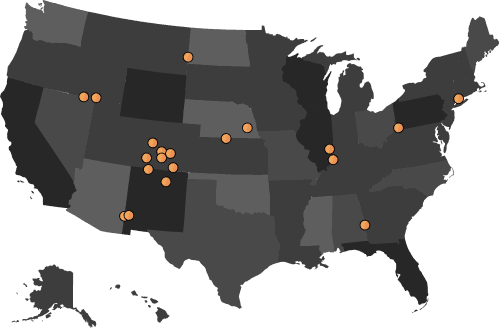
    City map with location markers

    Explore Our Other Course Categories

    Agile Certification Training Courses

    Project Management Certification Training Courses

    IT Service Management Certification Training Courses

    Quality Management Certification Courses

    DevOps Certification Training Courses

    IT Governance Certification Training Courses

    Other Related Courses

    Foundation

    Poka Yoke

    Foundation

    Lean Six Sigma Yellow Belt

    Foundation

    Business Process Management

    Foundation

    Six Sigma Awareness

    Foundation

    7 QC Tools Training

    Advanced

    Lean Six Sigma Black Belt

    Foundation

    Quality Function Deployment

    Foundation

    Lean IT

    Advanced

    Lean Six Sigma Green Belt

    Foundation

    Minitab Essentials

    Foundation

    Design for Six Sigma

    Foundation

    Lean Fundamentals

    Foundation

    Quality by Design

    Foundation

    Root Cause Analysis Training Course

    Foundation

    Lean Manufacturing

    Foundation

    Value Stream Mapping

    Foundation

    Kaizen

    Foundation

    Poka Yoke

    Foundation

    Lean Six Sigma Yellow Belt

    Foundation

    Business Process Management

    Foundation

    Six Sigma Awareness

    Foundation

    7 QC Tools Training

    Advanced

    Lean Six Sigma Black Belt

    Foundation

    Quality Function Deployment

    Foundation

    Lean IT

    Advanced

    Lean Six Sigma Green Belt

    Foundation

    Minitab Essentials

    Foundation

    Design for Six Sigma

    Foundation

    Lean Fundamentals

    Foundation

    Quality by Design

    Foundation

    Root Cause Analysis Training Course

    Foundation

    Lean Manufacturing

    Foundation

    Value Stream Mapping

    Foundation

    Kaizen

    Frequently Asked QuestionsHere's everything you may ask...

    The 7 QC Tools Training is a practical, one-day skills programme covering the seven core quality control tools used for defect analysis, root cause investigation and process improvement. The tools are the cause-and-effect (fishbone) diagram, check sheet, control chart, histogram, Pareto chart, scatter diagram and stratification.

    The 7 QC Tools Training is a practical, one-day skills programme covering the seven core quality control tools used for defect analysis, root cause investigation and process improvement. The tools are the cause-and-effect (fishbone) diagram, check sheet, control chart, histogram, Pareto chart, scatter diagram and stratification.

    The seven tools are the cause-and-effect (Ishikawa or fishbone) diagram, check sheet, control chart, histogram, Pareto chart, scatter diagram, and stratification or flow chart. Formalised by Kaoru Ishikawa, they are recognised worldwide as the foundation of practical quality problem-solving.

    It suits quality engineers, quality analysts, production supervisors, process improvement practitioners, operations managers and anyone in Singapore's manufacturing or service sectors who wants a shared, hands-on quality toolkit. It is also a strong foundation for Six Sigma and Lean learners.

    Yes. ISO 9001:2015 requires organisations to analyse data and act on nonconformities. The seven quality control tools are the practical, accessible tools recommended to meet these data analysis and improvement requirements, which is why they are widely used across certified organisations.

    No. There are no formal prerequisites. The seven tools were designed by Kaoru Ishikawa to be usable by every worker, and the course teaches each tool from first principles with worked examples, so beginners and experienced professionals alike can follow it.

    General

    What is the 7 QC Tools Training?

    The 7 QC Tools Training is a practical, one-day skills programme covering the seven core quality control tools used for defect analysis, root cause investigation and process improvement. The tools are the cause-and-effect (fishbone) diagram, check sheet, control chart, histogram, Pareto chart, scatter diagram and stratification.

    What are the seven quality control tools?

    The seven tools are the cause-and-effect (Ishikawa or fishbone) diagram, check sheet, control chart, histogram, Pareto chart, scatter diagram, and stratification or flow chart. Formalised by Kaoru Ishikawa, they are recognised worldwide as the foundation of practical quality problem-solving.

    Who should attend this training in Singapore?

    It suits quality engineers, quality analysts, production supervisors, process improvement practitioners, operations managers and anyone in Singapore's manufacturing or service sectors who wants a shared, hands-on quality toolkit. It is also a strong foundation for Six Sigma and Lean learners.

    Are the seven tools relevant to ISO 9001?

    Yes. ISO 9001:2015 requires organisations to analyse data and act on nonconformities. The seven quality control tools are the practical, accessible tools recommended to meet these data analysis and improvement requirements, which is why they are widely used across certified organisations.

    Do I need prior experience or a statistics background?

    No. There are no formal prerequisites. The seven tools were designed by Kaoru Ishikawa to be usable by every worker, and the course teaches each tool from first principles with worked examples, so beginners and experienced professionals alike can follow it.

    Pricing

    How much does the 7 QC Tools Training cost in Singapore?

    Fees vary by delivery mode (live online, classroom or corporate on-site) and group size. Because pricing is tailored to the format and number of participants, the current fee is available on request. Contact a learning advisor for a quote or ask about group pricing for your team.

    What is included in the course fee?

    The fee typically includes instructor-led training across all seven tools, hands-on exercises, learning materials and templates, and a course completion certificate from Invensis Learning. Confirm the exact inclusions for your chosen format when you request a quote.

    Do you offer group or corporate discounts?

    Yes. We offer corporate and group training with customised schedules and volume-based pricing for teams and departments. It is often the most cost-effective option when several colleagues need the training. Ask about corporate or group pricing for a tailored quote.

    Is the training worth it for my career?

    The seven tools are among the most widely applied quality skills in Singapore's electronics, precision engineering and pharmaceutical sectors, where quality engineer and quality manager roles are in steady demand. You gain skills you can apply immediately. Talk to a learning advisor to see how it fits your goals.

    What payment options are available?

    We accept major credit and debit cards and bank transfers, and offer instalment options on selected plans. Speak with a learning advisor to choose the option that suits you or your organisation.

    Assessment

    Is there an exam for the 7 QC Tools Training?

    No. This is a non-certification skills course with no examination. Learning is reinforced through hands-on practical exercises and discussion throughout the one-day programme, so you build applied skill rather than sit a test.

    Will I receive a certificate after the training?

    Yes. On completing the programme you receive a course completion certificate from Invensis Learning. This is a record of completion rather than a formal certification, as the seven tools have no external awarding body.

    How are the tools assessed during the course?

    There is no formal assessment. Instead, you apply each tool during practical exercises and group activities on realistic quality scenarios, which lets the trainer give feedback and helps you gain confidence using the tools before you return to work.

    Does this training lead to a Six Sigma qualification?

    Not directly, but it is an ideal foundation. The seven tools are applied throughout Six Sigma DMAIC projects, so many professionals take this course before progressing to Six Sigma Yellow or Green Belt or Lean quality training.

    How long is the programme and what format is it?

    The training runs for one day (eight hours) and covers all seven tools through concept explanations, worked examples and hands-on exercises. It is available in live online, classroom and corporate on-site formats.

    Course Content

    What topics does the 7 QC Tools syllabus cover?

    The syllabus covers all seven tools: the cause-and-effect (fishbone) diagram, check sheet, control chart, histogram, Pareto chart, scatter diagram and stratification or flow chart. It also covers how the tools work together across a full quality investigation.

    Will I learn statistical process control?

    Yes. The control chart module covers statistical process control, including common cause versus special cause variation, chart types such as X-bar R and I-MR, control chart rules, and the difference between control limits and specification limits.

    Are the sessions hands-on or theory only?

    They are hands-on. Each of the seven tools is taught with concept explanation, worked examples and practical exercises on realistic quality scenarios, so you practise building and interpreting each tool rather than only reading about it.

    What materials do I receive?

    You receive structured course materials, worked examples and templates for the tools, plus practice exercises used during the session. These help you apply the tools to your own quality problems straight after the training.

    Is the content relevant to service and IT quality too?

    Yes. While the tools originated in manufacturing, they apply equally to service, healthcare, IT and administrative processes. The course shows how to use each tool in different contexts, from defect analysis to service quality and process improvement.

    Enrollment

    How do I enrol in the 7 QC Tools course?

    You can enrol in the 7 QC Tools course online through the Invensis Learning website. Choose your preferred format, complete the booking, and you will receive access to the schedule, joining details and learning resources. See upcoming batches or talk to a learning advisor to get started.

    What training formats are available in Singapore?

    The course is available as live online (virtual instructor-led) training, classroom training, and customised corporate on-site delivery for teams. You can choose the format that best fits your schedule and learning preference.

    When are the upcoming batches?

    New public batches for live online and classroom training are scheduled regularly, and corporate sessions run on dates that suit your team. See upcoming schedules on the website or contact a learning advisor for the next available dates.

    Can I reschedule my booking?

    Yes. Selected plans allow you to reschedule or transfer to another batch. Contact our support team to arrange a change, and they will confirm the options that apply to your booking.

    Can you train my whole team on-site in Singapore?

    Yes. We deliver corporate on-site and live online group training for teams across Singapore, with schedules and examples tailored to your operation. Ask about corporate or group pricing for a quote built around your team.

    +1 470-260-0084contact@invensislearning.com
    Invensis Learning Logo

    Company

    • About us
    • Accreditations
    • Contact Us
    • Sitemap

    Resources

    • Blog
    • Info
    • Brochure
    • Skill Enhancement

    Support

    • Rescheduling Policy
    • Refund Policy

    Connect with us

    Chat with us

    contact@invensislearning.com

    +1 470-260-0084

    We Accept

    paymentmethods
    sslprotection

    SECURE

    SSL ENCRYPTION

    Quality and Compliance

    isocertfication9001
    isocertification27001

    Company

    • About us
    • Accreditations
    • Contact Us
    • Sitemap

    Resources

    • Blog
    • Info
    • Brochure
    • Skill Enhancement

    Support

    • Rescheduling Policy
    • Refund Policy

    Connect with us

    Chat with us

    contact@invensislearning.com

    +1 470-260-0084

    We Accept

    paymentmethods
    sslprotection

    SECURE

    SSL ENCRYPTION

    Quality and Compliance

    isocertfication9001
    isocertification27001
    usa

    USA

    +1 470-260-0084

    switzerland

    Switzerland

    +41 22 518 20 42

    australia

    Australia

    +61 2 5300 2805

    netherlands

    Netherlands

    +31 20 262 2348

    belgium

    Belgium

    +32 2 585 31 34

    denmark

    Denmark

    +45 89 88 45 44

    poland

    Poland

    +48 91 883 47 51

    uk

    UK

    +44 20 3322 3280

    india

    India

    +91 96202-00784

    Popular Training Categories

    • Agile Project Management Training
    • Project Management Courses
    • ITSM Certifications
    • Quality Management Courses
    • DevOps Courses
    • IT Governance Training

    Popular Courses

    • PMP Certification
    • PRINCE2 Certification
    • Change Management Certification
    • ITIL Foundation Certification
    • CAPM Certification
    • Lean Six Sigma Green Belt Certification
    • Lean Six Sigma Black Belt Certification
    • Root Cause Analysis Training
    • Lean Fundamentals Training
    • Six Sigma Awareness Training
    • Kaizen Training
    • VSM Training
    • DevOps Foundation Certification
    • COBIT 5 Certification
    • SIAM Certification
    • MS Project Training
    • Project Management Fundamentals Training
    • Lean Project Management Training
    • Scrum Fundamentals
    • CSM Certification
    • CSPO Certification

    Disclaimer

    • PMI®, PMP®, CAPM®, PMI-ACP®, PMBOK are registered marks of the Project Management Institute, Inc.
    • ITIL® is a registered trade mark of AXELOS Limited, used under permission of AXELOS Limited. All rights reserved.
    • PRINCE2® is a registered trademark of AXELOS Limited, used under permission of AXELOS Limited. All rights reserved.
    • PRINCE2â„¢ Agile are trade marks of AXELOS Limited, used under permission of AXELOS Limited. All rights reserved.
    • The Swirl logoâ„¢ is a trade mark of AXELOS Limited, used under permission of AXELOS Limited. All rights reserved.
    • DevOps Foundation® is a registered mark of the DevOps Institute®.
    • COBIT® is a trademark of ISACA® registered in the United States and other countries.
    • CSM, A-CSM, CSPO, A-CSPO, and CAL are registered trademarks of Scrum Alliance.
    • Invensis Learning is an Accredited Training Provider of EXIN for all their certification courses and exams.

    © 2026 Invensis Inc.

    Privacy PolicyTerms & Conditions
    Phone
    Select or type a course...
    Phone
    Select or type a course...