Course Overview

    Overview

    Course Highlights

    Eligibility Criteria

    Benefits

    Exam Format

    Certification Cost

    What Is the Lean Six Sigma Green Belt Certification?UntitledYour Route to Data-Driven Improvement

    The Lean Six Sigma Green Belt (LSSGB) is an intermediate process-improvement credential that validates your ability to lead and support data-driven improvement projects using the DMAIC method. Lean Six Sigma Green Belt certification training in Tokyo prepares you to reduce defects, variation, waste and cycle time across manufacturing, services and back-office processes, and to pass the IASSC Green Belt exam. The programme is mapped to the IASSC Green Belt Body of Knowledge and covers all five phases of DMAIC: Define, Measure, Analyse, Improve and Control. You build core statistical skills such as hypothesis testing, basic regression and process capability, alongside Lean tools like 5S, value stream mapping, Kanban and Poka-Yoke. There are no prerequisites, so practitioners from any sector can begin. Delivered in live virtual and corporate formats across 32 hours of instruction, the training suits quality engineers, operations specialists and improvement leads in Tokyo. You move from study to certified with structured practice, mock questions and trainer guidance every step of the way.

    Invensis Learning is an accredited IASSC (Peoplecert) training partner in Tokyo (2778), approved to deliver official LSSGB training using IASSC-aligned courseware.
    What Is the Lean Six Sigma Green Belt Certification?Your Route to Data-Driven Improvement

    The Lean Six Sigma Green Belt (LSSGB) is an intermediate process-improvement credential that validates your ability to lead and support data-driven improvement projects using the DMAIC method. Lean Six Sigma Green Belt certification training in Tokyo prepares you to reduce defects, variation, waste and cycle time across manufacturing, services and back-office processes, and to pass the IASSC Green Belt exam.

    The programme is mapped to the IASSC Green Belt Body of Knowledge and covers all five phases of DMAIC: Define, Measure, Analyse, Improve and Control. You build core statistical skills such as hypothesis testing, basic regression and process capability, alongside Lean tools like 5S, value stream mapping, Kanban and Poka-Yoke. There are no prerequisites, so practitioners from any sector can begin.

    Delivered in live virtual and corporate formats across 32 hours of instruction, the training suits quality engineers, operations specialists and improvement leads in Tokyo. You move from study to certified with structured practice, mock questions and trainer guidance every step of the way.

    Certification Badge

    Invensis Learning is an accredited IASSC (Peoplecert) training partner in Tokyo (2778), approved to deliver official LSSGB training using IASSC-aligned courseware.

    Key Highlightsof the Lean Six Sigma Green Belt Training Course

    End-to-End Learning and Certification Readiness

    • Structured LSSGB Certification training in Tokyo designed to help learners understand core concepts, frameworks, tools, and practices
    • Course content aligned with the latest syllabus, certification requirements, or industry learning objectives where applicable
    • Practical examples and scenario-based exercises to help learners connect training concepts with workplace situations
    • Guided preparation support for learners pursuing certification, assessment, or professional skill validation

    Structured Courseware and Learning Resources

    • Access to organized course materials that support step-by-step learning
    • Topic-wise learning resources, exercises, and knowledge checks to reinforce understanding
    • Practice questions, assignments, quizzes, or mock assessments included where applicable
    • Supplementary learning aids such as templates, case studies, guides, flashcards, or toolkits depending on the course structure

    Instructor-Led, Practical Learning Experience

    • Live interactive sessions delivered through instructor-led LSSGB training in Tokyo by experienced trainers with relevant process improvement expertise
    • Real-world examples, case discussions, and practical activities to improve applied understanding
    • Opportunities to ask questions, clarify doubts, and participate in trainer-led discussions
    • Training focused on helping learners apply concepts at work, not just complete the course content

    Flexible Learning Support in Tokyo

    • Flexible learning options available for professionals seeking LSSGB training online
    • Options include live virtual classroom training, onsite training, self-paced learning, or customized group training depending on course availability
    • Learning support designed to help participants stay on track throughout the training journey
    • Additional revision, retake, or post-training support may be available based on the selected course

    Learn the Core Concepts Covered in the Course

    • Understand foundational principles, terminology, and important subject areas related to LSSGB
    • Learn relevant tools, methods, frameworks, processes, or practices based on the course curriculum
    • Explore practical use cases that show how the concepts are applied in professional environments
    • Build role-relevant knowledge that supports better decision-making, execution, and workplace performance

    Assessment, Practice, and Completion Support

    • Practice through quizzes, assignments, exercises, mock tests, or simulations where applicable
    • Use assessments to identify learning gaps and strengthen weak areas
    • Receive guidance on certification preparation as part of the LSSGB certification program in Tokyo
    • Earn an LSSGB certificate after successfully meeting the course requirements

    Career and Workplace Application

    • Build practical skills that support professional growth, role advancement, and improved job performance in Tokyo
    • Strengthen confidence in applying course concepts to workplace challenges
    • Improve professional credibility through structured training and certification preparation where applicable
    • Support organizational capability building through a corporate LSSGB training program designed for team-based learning initiatives

    LSSGB Certification Eligibility in TokyoDo You Qualify for the LSSGB Exam?

    LSSGB has no formal prerequisites. It is open to professionals at all levels who want to lead process-improvement projects:

    • Open to all professionals - no formal prerequisites required by IASSC.

    • Suitable for process improvement leads, business analysts, project managers, operations managers, quality professionals, and team leads.

    • Familiarity with basic statistics is helpful but not required (the course covers all needed statistics).

    • Practical exposure to a workplace process you can improve is recommended for applying the techniques.

    Why the Green Belt Is Worth EarningFor Your Career and Your Organisation

    For Individuals

    For Individuals

    Green Belt training helps professionals turn everyday process problems into measurable improvements using a structured, data-driven method. It suits quality engineers, operations specialists, analysts and team leaders who want to prove their improvement skills. Whether you work in automotive, electronics, pharmaceuticals, financial services or IT, the DMAIC method and Lean tools apply directly to the processes you manage in Tokyo every day.

    If you want to stand out in Tokyo's quality-driven job market, the Green Belt is a clear, credible signal to employers. You gain practical capability, an independent IASSC credential, and a supported path from learning to certification.

    • Proves you can lead DMAIC improvement projects that cut cost and defects
    • Opens roles in quality, operations and process improvement across Tokyo employers
    • Builds in-demand statistical skills like hypothesis testing and capability analysis
    • Earns a globally recognised IASSC credential trusted across industries
    • Strengthens your case for promotion into quality and improvement leadership
    • Equips you to drive measurable results from your first project
    • Provides a clear stepping stone toward the Black Belt credential
    • Adds a portable qualification that travels across sectors and countries
    For Organizations

    For Organizations

    Group Green Belt training helps organisations build improvement capability by equipping teams with a common, data-driven method. It can be delivered for quality functions, operations teams or cross-functional improvement groups. For organisations that want to reduce waste and lift quality consistently, structured Green Belt training creates a repeatable engine for results.

    If your teams solve problems inconsistently, Green Belt training gives them one shared DMAIC approach. People learn to measure, analyse and control processes so improvements hold rather than fade.

    • Builds a shared improvement language across teams and functions
    • Reduces defects, rework and waste through structured DMAIC projects
    • Strengthens a culture of continuous improvement and kaizen
    • Develops in-house talent who can run improvement projects independently
    • Improves customer quality, lead times and operating margins
    • Standardises problem-solving across plants, offices and business units
    • Offers flexible delivery for teams through live virtual or onsite formats
    • Connects frontline improvement work to measurable business outcomes

    LSSGB Exam Format in TokyoWhat to expect on exam day

    The Lean Six Sigma Green Belt exam validates your ability to lead process-improvement projects using the DMAIC methodology and core Lean Six Sigma tools. The exam focuses on the Define, Measure, Analyse, Improve, and Control phases; process mapping and value stream analysis; basic statistical analysis (descriptive statistics, hypothesis testing, control charts); and root-cause analysis techniques. Through a combination of multiple-choice questions, candidates are tested on their ability to apply Lean Six Sigma principles in real-world process-improvement environments.

    Exam ComponentDetails
    Exam NameIASSC Certified Lean Six Sigma Green Belt (ICGB)
    Conducted ByInternational Association for Six Sigma Certification (IASSC)
    Number of Questions100 multiple-choice and true/false questions
    Exam Duration180 minutes (3 Hours)
    Passing Score70%
    TypeClosed Book
    Testing BasisIASSC Lean Six Sigma Green Belt Body of Knowledge
    Testing FormatIASSC web-based proctored exam (online or at a test centre)

    LSSGB Certification Cost in Tokyo

    The total cost of earning the Lean Six Sigma yellow Belt credential typically includes the fee for LSSGB training and exam preparation, along with the certification examination cost.

    Training Cost Includes:

    • 4 days of expert-led IASSC-accredited Lean Six Sigma Green Belt training
    • Official IASSC-aligned digital courseware and DMAIC reference materials
    • Exam prep support including 100-question mock exams and applied statistical exercises
    • Exam-focused guidance designed to improve first-attempt readiness on the IASSC ICGB paper
    • The Lean Six Sigma Green Belt training cost in Tokyo is JPY 239200

    Exam Cost:

    • IASSC Certified Lean Six Sigma Green Belt (ICGB) exam fee paid to IASSC
    • Online proctored or test centre delivery via the IASSC web exam portal
    • 100 multiple-choice and true/false questions, 3 hours, 70% pass mark
    • Lifetime-valid IASSC ICGB credential - no renewal required
    • Most Invensis Learning packages bundle the IASSC ICGB exam voucher

    Note: Prices may vary depending on your location and delivery preferences. Reach out to our learning advisors for the exact pricing details.

    Where a Green Belt Can Take Your Career in TokyoRoles, Demand and Pay

    Lean Six Sigma skills sit at the heart of Japan's quality and kaizen culture, and Tokyo employers across automotive, electronics, pharmaceuticals, financial services and IT actively value practitioners who can run data-driven improvement projects. As smart factories scale and service sectors adopt DMAIC beyond the shop floor, certified Green Belts are well placed for roles from quality engineer to process improvement and quality assurance management, and here is what the Tokyo market is signalling now.

    ¥7.99M

    Quality manager salary, Japan

    average, SalaryExpert 2026

    ¥10.3M

    Process improvement engineer, Tokyo

    average, SalaryExpert 2026

    ¥12.9M

    Quality assurance manager, Tokyo

    average, SalaryExpert 2026

    ~35%

    Tokyo pay premium vs national

    industry estimate, verify

    SECTORS HIRING

    • —Automotive and Mobility (OEMs and Tier-1 Suppliers)
    • —Electronics and Precision Manufacturing
    • —Pharmaceuticals, Medical Devices and Healthcare
    • —Financial Services, Banking and Insurance
    • —IT, Software and Shared Services
    • —Logistics, Retail and Consumer Goods

    GROWTH TRENDS

    • —Kaizen and lean heritage keeps improvement skills in steady demand
    • —Smart-factory and digital transformation expanding process roles
    • —Ageing workforce raising demand for documented, repeatable methods
    • —Service and back-office sectors adopting DMAIC beyond the factory
    • —Quality and compliance pressure in pharma and medical devices
    • —Cost and margin discipline pushing waste-reduction projects

    Sources: SalaryExpert, Glassdoor, Salary.com (Japan and Tokyo) 2026; Process Excellence Network, Edstellar (skills demand).

    Market Forces Driving Demand for Green Belt Skills in Tokyo

    Workforce Ageing and Knowledge Loss

    As experienced staff retire, Japanese manufacturers risk losing hard-won process knowledge. Green Belt methods capture, standardise and control processes so quality holds across generations of workers.

    DMAIC standardises and protects process know-how

    Smart-Factory and Digital Transformation

    Tokyo plants are adding sensors, analytics and automation, but data alone does not fix processes. Practitioners who can measure, analyse and improve with DMAIC convert that data into real gains.

    Green Belt skills turn data into improvement

    Quality and Compliance Pressure

    Pharmaceuticals, medical devices and electronics face strict quality and regulatory demands. Green Belt statistical tools reduce variation and build the documented control these sectors require.

    Statistical methods strengthen control and compliance

    Cost and Margin Discipline

    With cost pressure across industries, organisations need people who can find and remove waste. Lean and Six Sigma techniques target rework, delay and defects that quietly erode margins.

    Lean tools remove waste and lift margins

    Improvement Beyond the Factory Floor

    Banks, insurers and shared-service centres in Tokyo now apply process improvement to transactions and service flows. Certified Green Belts bring proven methods to non-manufacturing environments.

    DMAIC applies to services and back-office work

    Scarcity of Certified Practitioners

    Many professionals practise improvement informally, but fewer hold an independent, recognised credential. An IASSC Green Belt validates your skills and helps you stand out to Tokyo employers.

    An IASSC credential helps you stand out

    Sources: Process Excellence Network, Fortune, AYP Group (Japan hiring) 2026; SalaryExpert, Glassdoor (Tokyo) 2026.

    A Green Belt is more than a credential. It is the skill set Tokyo employers reach for to cut waste and lift quality. Join professionals turning process problems into measurable results. Start your journey today.

    Your Tokyo Career Transformation

    Your Career Before and After the Green Belt

    And Where the IASSC Credential Takes You

    Tokyo's quality-led economy keeps rewarding professionals who can prove they improve processes with data, and employers increasingly separate certified practitioners from the rest. Here is which side of that line you want to be on.

    Today

    Pay capped with limited leverage to negotiate in the Tokyo market

    After LSSGB

    Quality and process roles in Tokyo average ¥7M to ¥13M, with director bands far higher

    Today

    Shortlisted less often for roles that list a Six Sigma credential as preferred

    After LSSGB

    Eligible for quality and improvement roles across manufacturing, pharma, finance and IT

    Today

    Capable on the job, but employers want proof of a structured method

    After LSSGB

    Confident running DMAIC projects that deliver measurable, lasting results

    You earn your Green Belt

    Before

    Improvement skills that rest on experience but lack a recognised credential

    Now you have

    An independent IASSC credential recognised by Tokyo and global employers

    Before

    Stuck in a delivery role with no formal improvement mandate

    Now you have

    A clear route into quality, operations and process improvement leadership

    Before

    Solving problems ad hoc, without a structured, data-driven method

    Now you have

    Command of DMAIC, statistical analysis and Lean tools employers ask for

    Before

    Skills that are hard to prove when you change employer or industry

    Now you have

    A portable qualification that travels across sectors and countries

    "The difference between someone who tinkers with processes and someone who leads improvement is a recognised method, and Tokyo's best employers already know it."

    Join 50,000+ professionals who trained with Invensis Learning and made the shift.

    Sources: SalaryExpert, Glassdoor, Salary.com (Japan and Tokyo) 2026.

    How to Get LSSGB Certified in TokyoStep-by-Step Certification Process

    The path to online LSSGB certification follows a straightforward single-exam route. Complete accredited training, prepare using mock examinations and practical exercises, take the IASSC ICGB examination, and earn a lifetime-valid Lean Six Sigma yellow Belt credential.

    Step 1: Enrol in the 4-Day LSSGB Training

    Choose your preferred Invensis Learning LSSGB cohort (4-Day Live Online Bootcamp, E-Learning, or Corporate Group Training). The course covers the full DMAIC methodology at Green Belt depth.

    Step 2: Create Your IASSC Account

    Create your account on the IASSC web exam portal. Invensis Learning packages typically include the IASSC ICGB exam voucher.

    Step 3: Complete the Course and Practice Mocks

    Attend the full 4-day training, work through the statistical exercises, and complete at least one full-length 100-question mock exam.

    Step 4: Schedule the IASSC Green Belt Exam

    Book your exam: 100 multiple-choice and true/false questions, 3 hours, 70% pass mark. Online proctored or at an IASSC-approved test centre.

    Step 5: Take the IASSC LSSGB Exam

    Sit the exam. You receive your result via the IASSC portal.

    Step 6: Activate Your Credential

    IASSC issues your Lean Six Sigma Green Belt certificate and digital badge. Lifetime valid , no renewal required.

    Step 1

    Enrol in the 4-Day LSSGB Training

    Choose your preferred Invensis Learning LSSGB cohort (4-Day Live Online Bootcamp, E-Learning, or Corporate Group Training). The course covers the full DMAIC methodology at Green Belt depth.

    Step 2

    Create Your IASSC Account

    Create your account on the IASSC web exam portal. Invensis Learning packages typically include the IASSC ICGB exam voucher.

    Step 3

    Complete the Course and Practice Mocks

    Attend the full 4-day training, work through the statistical exercises, and complete at least one full-length 100-question mock exam.

    Step 4

    Schedule the IASSC Green Belt Exam

    Book your exam: 100 multiple-choice and true/false questions, 3 hours, 70% pass mark. Online proctored or at an IASSC-approved test centre.

    Step 5

    Take the IASSC LSSGB Exam

    Sit the exam. You receive your result via the IASSC portal.

    Step 6

    Activate Your Credential

    IASSC issues your Lean Six Sigma Green Belt certificate and digital badge. Lifetime valid , no renewal required.

    Module 1: Define Phase

    • Voice of the Customer (VoC) and Critical to Quality (CTQ)
    • Project charter, SIPOC, and stakeholder analysis
    • Business case and benefits realisation
    • Defining problem statements and project scope

    Module 2: Measure Phase

    • Process mapping, value stream mapping, and 5S
    • Operational definitions and data collection planning
    • Measurement System Analysis (MSA) and Gauge R&R
    • Process capability and sigma level

    Module 3: Analyze Phase

    • Cause-and-effect (Ishikawa) analysis and 5 Whys
    • Hypothesis testing fundamentals
    • Regression and correlation
    • ANOVA and multi-variate analysis at Green Belt depth

    Module 4: Improve Phase

    • Solution generation techniques (brainstorming, SCAMPER, TRIZ basics)
    • Solution selection: pros/cons matrices and prioritisation
    • Pilot design and validation
    • Implementation planning

    Module 5: Control Phase

    • Control plans and standardisation
    • Control charts (variable and attribute)
    • Sustainment, audits, and continual improvement
    • Project closeout and handover

    Module 6: IASSC LSSGB Exam Preparation

    • IASSC Examination Content Outline walkthrough
    • Question patterns and open-book exam strategy
    • Time management for the 3-hour, 100-question paper
    • Full-length mock exam with debrief

    Course Curriculumof the Lean Six Sigma Green Belt Certification Training

    The LSSGB curriculum follows the official IASSC Lean Six Sigma Green Belt BOK and covers all tested domains across the syllabus.

    • Voice of the Customer (VoC) and Critical to Quality (CTQ)
    • Project charter, SIPOC, and stakeholder analysis
    • Business case and benefits realisation
    • Defining problem statements and project scope

    VoC to CTQ translation questions are a common early hurdle for candidates moving up from Yellow Belt.

    image

    100% Secure and Safe download

    Skills You Will Build in This Green Belt ProgrammeApply DMAIC and Lean on Real Projects

    This programme turns the IASSC Green Belt Body of Knowledge into practical capability. By the end, you can run a full DMAIC project, apply core statistical and Lean tools, and sustain measurable improvements at work.

    Define Problems That Matter

    Skills covered in the Green Belt programme start here: scope improvement projects with a clear charter, capture voice of the customer, map processes with SIPOC, and identify critical-to-quality characteristics that drive business value.

    Measure Process Performance

    Build a reliable baseline using process mapping, data collection, measurement system analysis and process capability, plus core metrics such as DPMO, yield and cycle time, so decisions rest on facts rather than opinion.

    Analyse Root Causes with Data

    Apply descriptive and inferential statistics, hypothesis testing, and cause-and-effect analysis to separate real drivers of variation from noise and pinpoint the true root causes of defects and delay.

    Improve and Optimise Processes

    Use simple and multiple regression and designed experiments to test changes, then select and validate solutions that reduce variation, waste and cost while protecting quality and throughput.

    Control and Sustain Gains

    Hold improvements in place with statistical process control charts, control plans and response plans, so the gains your projects deliver last well beyond the project close.

    Apply Lean Tools and Kaizen

    Integrate Lean techniques such as 5S, value stream mapping, Kanban and Poka-Yoke within DMAIC to eliminate the seven wastes and embed a culture of continuous improvement in your team.

    Who Should TakeLean Six Sigma Green Belt Certification Training in Tokyo?

    Process Improvement Lead

    Business Analyst

    Operations Manager

    Quality Analyst

    Project Manager (Improvement Projects)

    Process Engineer

    Continuous Improvement Specialist

    Manufacturing / Operations Supervisor

    Who Can Take This Certification Training

    Lean Six Sigma Green Belt Training Modesfor Professionals and Teams

    We offer flexible training formats designed to suit different learning preferences, schedules, and professional goals. Whether you prefer collaborative classroom learning, live online sessions, team-based training, or personalized guidance, choose the option that best supports your Lean Six Sigma learning and professional development journey.

    Lean Six Sigma Green Belt Live Virtual Training

    • Live online instructor-led sessions

    • Interactive discussions and virtual activities

    • Expert guidance from experienced trainers

    • Practice assessments and revision support

    • Dedicated Q&A sessions for concept clarification

    • Fixed schedules for accountability and momentum

    • Small batch sizes for personalized attention

    • Access from any location with internet connectivity

    JPY 239200

    Attend fully interactive online sessions from anywhere while benefiting from real-time instructor guidance and collaborative learning experiences. This virtual LSSGB training option enables professionals to participate from any location.

    Official IASSC-aligned Course Material

    Best For: Professionals seeking the flexibility of online learning without compromising on live instructor interaction.

    Untitled

    Lean Six Sigma Green Belt Classroom Training

    • Instructor-led classroom sessions

    • Interactive discussions and group activities

    • Real-world examples and practical exercises

    • Structured learning with fixed schedules

    • Opportunities for peer networking and collaboration

    • Practice assessments and knowledge checks

    • Dedicated Q&A and concept clarification

    • Immediate trainer feedback and support

    Untitled

    Learn through face-to-face sessions led by experienced instructors in a collaborative classroom environment. This classroom LSSGB training in Japan format combines expert guidance, peer interaction, and hands-on activities to create an engaging learning experience.

    Official IASSC-aligned Course Material

    Best For: Learners who prefer in-person interaction, structured schedules, and collaborative learning experiences.

    Untitled

    Lean Six Sigma Green Belt Corporate Group Training

    • Customized training aligned to organizational goals

    • Flexible delivery: onsite, virtual, hybrid, or blended

    • Scheduling tailored to business availability

    • Role-based examples and industry-relevant discussions

    • Progress tracking and learner assessments where applicable

    • Dedicated coordination and administrative support

    • Consistent learning experiences across teams

    • Scalable delivery for local, regional, or global workforces

    Untitled

    Designed for organizations that want to improve process performance, standardize quality practices, and build continuous improvement capabilities across teams. This format is ideal for LSSGB training for companies in Tokyo seeking to strengthen operational excellence and problem-solving skills.

    Official IASSC-aligned Course Material

    Best For: Organizations looking to upskill employees, address capability gaps, and deliver consistent learning experiences across teams.

    Untitled

    Lean Six Sigma Green Belt Focused 1-to-1 Training

    • One-to-one instructor attention

    • Customized learning plans and objectives

    • Flexible scheduling based on availability

    • Personalized feedback and coaching

    • Additional focus on challenging topics

    • Targeted practice and revision support

    • Faster clarification of questions and concepts

    • Learning pace adapted to individual needs

    Untitled

    Receive personalized instruction tailored to your goals, pace, and learning requirements through dedicated sessions with an expert trainer. This format provides LSSGB coaching for professionals seeking individualized support and focused guidance on Lean Six Sigma concepts and applications.

    Official IASSC-aligned Course Material

    Best For: Professionals seeking personalized guidance, accelerated learning, or focused support to achieve specific outcomes.

    Untitled

    Lean Six Sigma Green Belt Live Virtual Training

    Lean Six Sigma Green Belt Live Virtual Training

    Live online instructor-led sessions

    Interactive discussions and virtual activities

    Expert guidance from experienced trainers

    Practice assessments and revision support

    Dedicated Q&A sessions for concept clarification

    Fixed schedules for accountability and momentum

    Small batch sizes for personalized attention

    Access from any location with internet connectivity

    Starts from

    JPY 239200

    Please Note:Attend fully interactive online sessions from anywhere while benefiting from real-time instructor guidance and collaborative learning experiences. This virtual LSSGB training option enables professionals to participate from any location.

    Official IASSC-aligned Course Material

    Best For: Professionals seeking the flexibility of online learning without compromising on live instructor interaction.

    Loading schedules…

    Why Choose Invensis Learning for Green Belt Training in TokyoTrusted by Professionals Worldwide

    As a trusted LSSGB training company, Invensis Learning delivers structured, IASSC-aligned Green Belt training for individual professionals and organisations across Tokyo that want to build genuine process-improvement capability. Our programmes combine experienced trainers, practical DMAIC projects, organised courseware and learner-focused support. Whether you enrol as an individual or plan corporate training for your team, we provide a professional learning experience built around real-world application and measurable outcomes, backed by ISO 9001 and ISO 27001 certified operations.

    • IASSC-aligned courseware mapped to the full Green Belt Body of Knowledge
    • Experienced trainers with real Lean Six Sigma project expertise
    • Flexible learning through live virtual, online and corporate formats
    • Practical, project-based learning with hands-on DMAIC application
    • Mock questions and practice aligned to the IASSC exam format
    • Dedicated learner support before, during and after the training
    • Customised schedules and group delivery for organisations in Tokyo
    • ISO 9001 and ISO 27001 certified training operations you can trust

    60+

    Training Courses

    121K+

    Hours of Expert Training Delivered

    50,000+

    Professionals Trained Worldwide

    ISO 9001:2015 Certified

    ISO 9001:2015 Certified

    ISO 27001:2022 Certified

    ISO 27001:2022 Certified

    Secure SSL Encryption

    Secure SSL Encryption

    Leaders in Training industry for 12+ years

    Leaders in Training industry for 12+ years

    Over 5000 five star reviews

    Over 5000 five star reviews

    Level AA conformance, W3C WCAG 2.2

    Level AA conformance, W3C WCAG 2.2

    Lean Six Sigma Green Belt Training Locations in TokyoAll our classroom training is now available online at your convenience

    Lean Six Sigma Green Belt in Tokyo

    Keio Plaza Hotel, 1, Nishi-Shinjuku 2-chome, Nishi-Shinjuku, Shinjuku-ku, Tokyo, 160-8330, Japan

    Lean Six Sigma Green Belt in Tokyo

    Grand Hyatt Tokyo, 3, Roppongi 6-chome, Roppongi, Minato-ku, Tokyo, 106-0032, Japan

    corporate banner

    Corporate Green Belt Training, TokyoDrive Continuous Improvement

    Untitled

    • Suitable for small, medium and large improvement teams
    • Customised schedules aligned with your team's availability
    • Flexible delivery through onsite, live virtual or hybrid formats
    • Trainers with real Lean Six Sigma and industry experience
    • Role-based examples drawn from manufacturing, pharma, finance and IT
    • Dedicated coordination and learner support for group programmes
    • Scalable delivery for teams across Tokyo, Japan and global sites

    Leading Organisations

    ToyotaSonyHitachiPanasonicCanonFujitsu

    What Our Learners Say

    Untitled

    Passed on My First Attempt

    "The DMAIC structure finally gave me a method I could apply to real production problems. The trainer's examples from manufacturing made the statistics click, and I passed the IASSC exam on my first attempt."

    Kenji Sato

    Quality Engineer

    Untitled

    0/0

    Practical and Easy to Apply

    "The hands-on practice with hypothesis testing and process capability was the most useful part for me. I now lead a small improvement project at work and feel confident using the tools."

    Aiko Tanaka

    Process Improvement Specialist

    Untitled

    0/0

    Works Beyond Manufacturing

    "Coming from a financial services background, I was unsure DMAIC would fit. The course showed how the same method works for back-office processes, and the Lean tools helped me cut handoffs."

    Daisuke Mori

    Operations Analyst

    Untitled

    0/0

    A Shared Method Across the Team

    "We trained a cross-functional team and now share one improvement language across the plant. Project results came faster than expected, and the trainers tailored sessions to our processes."

    Yuki Nakamura

    Operations Manager, Electronics Manufacturer

    Untitled

    0/0

    Measurable Results for Our Team

    "The corporate programme was well organised and flexible around our shifts. Our quality team is now running its own DMAIC projects, and rework on the line has measurably dropped."

    Haruka Yoshida

    L&D Lead, Pharmaceutical Company

    Untitled

    0/0


    Trustpilot

    4.6

    Ratings

    100K+

    Happy Learners

    100+

    Locations Worldwide

    99%

    Training Satisfaction

    Enquire with us now

    Drop us a query and our learning consultant will reach out to you shortly

    Get Course Details & Pricing

    Fill out this form and we will respond quickly.

    We also deliver Lean Six Sigma Green Belt Certification Trainingacross multiple cities

    Invensis Learning delivers industry-leading Lean Six Sigma Green Belt training solutions tailored for individuals and organizations.

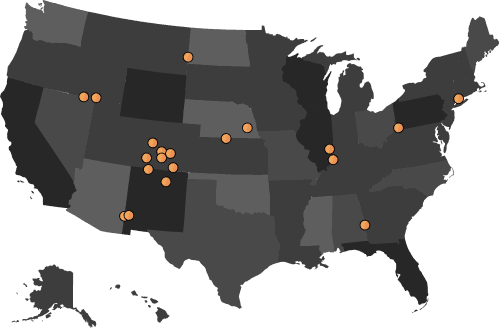
    City map with location markers

    Frequently Asked QuestionsHere's everything you may ask...

    Yes. The Green Belt validates that you can lead data-driven improvement projects, a skill Tokyo employers value across automotive, electronics, pharmaceuticals, finance and IT. Quality and process roles in Tokyo commonly pay between ¥7M and ¥13M a year, and a recognised credential helps you compete for them.

    General

    Is the Lean Six Sigma Green Belt worth it in Tokyo?

    Yes. The Green Belt validates that you can lead data-driven improvement projects, a skill Tokyo employers value across automotive, electronics, pharmaceuticals, finance and IT. Quality and process roles in Tokyo commonly pay between ¥7M and ¥13M a year, and a recognised credential helps you compete for them.

    What is the Lean Six Sigma Green Belt certification?

    It is an intermediate process-improvement credential that proves your ability to run and support improvement projects using the DMAIC method. The IASSC Green Belt is an independent, third-party validation of knowledge across Define, Measure, Analyse, Improve and Control.

    Who should take this Green Belt training?

    It suits quality engineers, operations and manufacturing professionals, analysts, team leaders and anyone who supports improvement projects. It also fits service-sector and back-office professionals in Tokyo who want a structured, data-driven approach to process improvement.

    Do I need prior experience or a Yellow Belt first?

    No. There are no prerequisites for the IASSC Green Belt, so you can start without a Yellow Belt or prior certification. Real-world experience is helpful but not required, and the training builds the concepts from the ground up.

    How long is the certification valid?

    The IASSC Green Belt holds Current status for three years from the date of certification. To keep it current, you pass the IASSC recertification exam before the three-year period elapses.

    Pricing

    What is included in the training fee?

    Your fee includes 32 hours of instructor-led training, IASSC-aligned courseware, practice questions, mock assessments and learner support. The IASSC exam voucher is purchased separately from IASSC. Request a quote for current pricing in your preferred format.

    How much does the Green Belt training cost in Tokyo?

    Training fees vary by format and schedule, so pricing is available on request. The IASSC exam voucher is billed separately by IASSC in USD and varies by region. Talk to a learning advisor for a tailored quote.

    Is the IASSC exam fee included in the price?

    No. The IASSC exam voucher is purchased separately through IASSC and is not part of the training fee. We can guide you on how and where to buy and schedule your exam voucher.

    Do you offer group or corporate pricing?

    Yes. We offer corporate group training with customised schedules and volume-based pricing for quality teams, operations groups and cross-functional teams in Tokyo. Contact us for a group quote.

    What payment options are available?

    We accept major credit and debit cards and bank transfers, with instalment options on selected plans. Speak with a learning advisor to choose the option that suits you.

    Exam

    What is the format of the IASSC Green Belt exam?

    It is a closed-book exam with 100 multiple-choice and true or false questions, with up to 10 additional unscored questions on some forms. Questions are spread across the five DMAIC phases at roughly 20 percent each.

    How long is the exam and what is the passing score?

    You have three hours to complete the exam, and you must score a minimum of 385 out of 550 points to pass. Coverage is balanced across Define, Measure, Analyse, Improve and Control.

    Where can I take the exam in Tokyo?

    You can sit the exam online through the IASSC web-based proctored system, available 24/7, or at a Pearson VUE test centre. Both options are accessible from Tokyo.

    Is there an eligibility requirement to sit the exam?

    No. The IASSC Green Belt has no education, experience or training prerequisites, so anyone can sit the exam. Training and real-world practice are recommended to prepare effectively.

    How do I keep the credential current?

    The credential stays current for three years. You maintain it by passing the IASSC recertification exam, which is a shorter closed-book exam, before your current status elapses.

    Course Content

    What topics does the training cover?

    The training covers all five DMAIC phases from the IASSC Green Belt Body of Knowledge: Define, Measure, Analyse, Improve and Control. It includes statistical methods such as hypothesis testing and regression, plus Lean tools like 5S, value stream mapping, Kanban and Poka-Yoke.

    How many hours is the Green Belt training?

    The programme runs for 32 hours of instruction, available in flexible schedules such as four full days, six days or an extended part-time format, so you can fit it around work.

    Can a beginner follow this course?

    Yes. The course assumes no prior Lean Six Sigma background and builds concepts step by step. Statistical topics are taught with practical examples so beginners can apply them with confidence.

    Are practice questions and mock assessments included?

    Yes. The programme includes practice questions and mock assessments aligned to the 100-question IASSC exam format, helping you identify weak areas and build exam readiness.

    Is the courseware aligned with the IASSC syllabus?

    Yes. The courseware is mapped to the current IASSC Green Belt Body of Knowledge and the five DMAIC phases assessed in the exam, so you study exactly what is tested.

    Enrollment

    How soon can I start and how do I enrol?

    You can enrol through the Invensis Learning website, choose your preferred format and complete payment to receive access to schedules and courseware. See upcoming batches or talk to a learning advisor to pick a start date.

    What training formats are available?

    We offer live virtual instructor-led training, online learning and customised corporate group training, so you can choose the format that fits your schedule and learning style in Tokyo.

    Are sessions scheduled in the Tokyo time zone?

    Yes. Live virtual sessions for Tokyo learners are scheduled in Japan Standard Time, and corporate programmes are arranged around your team's availability. Ask an advisor for the next available batch.

    Can I reschedule or transfer my enrolment?

    Yes. Flexible options let you reschedule or move to another batch on selected plans. Contact our support team to arrange a change to your enrolment.

    What is the refund or cancellation policy?

    Refunds and cancellations follow our published policy, and selected plans include added flexibility. Reach out to our team for the details that apply to your enrolment.