Course Overview

    Overview

    Course Highlights

    Eligibility Criteria

    Benefits

    Exam Format

    Certification Cost

    What the PMI-RMP Certification Is and Why It MattersUntitledYour Specialist Risk Credential

    The PMI Risk Management Professional (PMI-RMP) is PMI's specialist certification for professionals who identify, assess and respond to risk across projects and programmes. It recognises your ability to mitigate threats and capitalise on opportunities, setting you apart from general project management practitioners. PMI-RMP certification training in Tokyo prepares you for this globally respected credential through 32 contact hours of instructor-led learning aligned to the PMI-RMP Examination Content Outline (ECO) effective January 2022. You build fluency across all five risk domains and learn to apply predictive, agile and hybrid risk approaches in real project environments. For risk specialists, senior project managers and PMO analysts across Tokyo's construction, technology, financial services and manufacturing sectors, the RMP is a clear way to prove advanced risk expertise. Start your journey to certified risk leadership with Invensis Learning.

    View Digital Badges on Credly

    Invensis Learning is a Premier PMI Authorized Training Partner (ATP ID 4177) in Tokyo , approved to deliver official PMi-RMP Certification training with PMI-aligned courseware and standards.
    What the PMI-RMP Certification Is and Why It MattersYour Specialist Risk Credential

    The PMI Risk Management Professional (PMI-RMP) is PMI's specialist certification for professionals who identify, assess and respond to risk across projects and programmes. It recognises your ability to mitigate threats and capitalise on opportunities, setting you apart from general project management practitioners.

    PMI-RMP certification training in Tokyo prepares you for this globally respected credential through 32 contact hours of instructor-led learning aligned to the PMI-RMP Examination Content Outline (ECO) effective January 2022. You build fluency across all five risk domains and learn to apply predictive, agile and hybrid risk approaches in real project environments.

    For risk specialists, senior project managers and PMO analysts across Tokyo's construction, technology, financial services and manufacturing sectors, the RMP is a clear way to prove advanced risk expertise. Start your journey to certified risk leadership with Invensis Learning.

    Certification Badge

    Invensis Learning is a Premier PMI Authorized Training Partner (ATP ID 4177) in Tokyo , approved to deliver official PMi-RMP Certification training with PMI-aligned courseware and standards.

    Key Highlightsof the PMI-RMP Certification Training Course

    End-to-End Learning and Certification Readiness

    • Structured PMI-RMP Certification training in Tokyo designed to help learners understand core concepts, frameworks, tools, and practices
    • Course content aligned with the latest syllabus, certification requirements, or industry learning objectives where applicable
    • Practical examples and scenario-based exercises to help learners connect training concepts with workplace situations
    • Guided preparation support for learners pursuing certification, assessment, or professional skill validation

    Structured Courseware and Learning Resources

    • Access to organized learning materials that support step-by-step progress through the PMI-RMP course online
    • Topic-wise learning resources, exercises, and knowledge checks to reinforce understanding
    • Practice questions, assignments, quizzes, or mock assessments included where applicable
    • Supplementary learning aids such as templates, case studies, guides, flashcards, or toolkits depending on the course structure

    Instructor-Led, Practical Learning Experience

    • Live interactive sessions delivered through Instructor-led PMI-RMP training in Tokyo by experienced project and risk management professionals
    • Real-world examples, case discussions, and practical activities to improve applied understanding
    • Opportunities to ask questions, clarify doubts, and participate in trainer-led discussions
    • Training focused on helping learners apply concepts at work, not just complete the course content

    Flexible Learning Support in Tokyo

    • Flexible learning pathways available through PMI-RMP training online and classroom-based delivery options
    • Options include live virtual classroom training, onsite training, self-paced learning, or customized group training depending on course availability
    • Learning support designed to help participants stay on track throughout the training journey
    • Additional revision, retake, or post-training support may be available based on the selected course

    Learn the Core Concepts Covered in the Course

    • Understand foundational principles, terminology, and important subject areas related to PMI-RMP
    • Learn relevant tools, methods, frameworks, processes, or practices based on the course curriculum
    • Explore practical use cases that show how the concepts are applied in professional environments
    • Build role-relevant knowledge that supports better decision-making, execution, and workplace performance

    Assessment, Practice, and Completion Support

    • Practice through quizzes, assignments, exercises, mock tests, or simulations where applicable
    • Use assessments to identify learning gaps and strengthen weak areas
    • Receive guidance on certification process, exam preparation, or assessment approach if the course is certification-based
    • Earn a course completion certificate after successfully meeting the course requirements

    Career and Workplace Application

    • Build practical skills that support professional growth, role advancement, and improved job performance in Tokyo
    • Strengthen confidence in applying course concepts to workplace challenges
    • Improve professional credibility through structured training and certification preparation where applicable
    • Support organizational capability building when delivered as corporate or team training

    PMI-RMP Certification Eligibility in TokyoDo You Qualify for the PMI-RMP Exam?

    Before you apply, make sure you meet one of the following sets of PMI-RMP certification requirements:

    Set A Requirements

    • High school or secondary school diploma (or global equivalent).

    • 36 months / 3 years of project risk management experience within the last 5 years.

    • 40 hours of project risk management education.

    Set B Requirements

    • Bachelor's degree or higher (or global equivalent).

    • 24 months / 2 years of project risk management experience within the last 5 years.

    • 30 hours of project risk management education.

    Set C Requirements

    • Bachelor's degree or higher (or global equivalent) from a GAC-accredited program.

    • 12 months / 1 year of project risk management experience within the past 5 years.

    • 30 hours of project risk management education.

    Why the RMP Pays OffFor Your Career and Your Team

    For Individuals

    For Individuals

    PMI-RMP training helps risk specialists, senior project managers and PMO professionals build advanced risk capability and prepare for the RMP exam. It suits professionals across Tokyo who want to prove they can manage threats and opportunities at scale. Whether you are formalising a risk role, moving up from project delivery, or leading risk in construction, IT, banking or energy, this programme builds skills aligned to senior expectations.

    If you want a globally recognised risk credential, the RMP is a clear path forward. You gain the five-domain risk toolkit, application support, and a structured, supported route to certification that employers value across sectors and regions.

    • Earn PMI's specialist project risk credential, respected by Tokyo and global employers
    • Stand out from general project managers with proven, validated risk expertise
    • Master qualitative and quantitative risk analysis techniques used on real projects
    • Meet the 30-hour risk education requirement with 32 contact hours of training
    • Prepare fully for the 115-question, closed-book RMP exam
    • Open doors to senior risk manager and programme risk leadership roles
    • Apply risk skills across construction, IT, finance and energy projects
    • Gain application guidance for documenting your project risk experience
    For Organizations

    For Organizations

    RMP group training helps organisations embed structured project risk management by equipping teams with a shared toolkit and a common language. The training can be delivered for PMOs, delivery teams or leadership groups. For organisations that need to protect value on complex, regulated projects, this training provides a scalable, flexible way to build risk capability in-house.

    If your teams manage risk inconsistently across projects, RMP group training creates a standardised approach to identification, analysis, response and monitoring, so risk decisions are governed, evidenced and repeatable across the portfolio.

    • Builds consistent, auditable risk practice across project teams
    • Strengthens J-SOX and regulatory compliance through formal risk controls
    • Improves delivery certainty on complex, high-value projects
    • Standardises risk language across PMOs and business units
    • Supports resilience and business continuity planning
    • Enables tailored training aligned to your sectors and projects
    • Develops in-house risk leadership and succession
    • Flexible onsite and live virtual delivery for teams in Tokyo

    PMI-RMP Exam Format in TokyoWhat to expect on exam day

    The PMI-RMP exam validates your ability to identify, assess, prioritize, and manage project risks while supporting informed decision-making across project lifecycles. The exam focuses on risk strategy and planning, stakeholder engagement, risk process facilitation, monitoring and reporting, and performing specialized risk activities. Through a combination of multiple-choice and scenario-based questions, candidates are tested on their ability to apply risk management principles in real-world project environments.

    Exam ComponentDetails
    Exam NamePMI-RMP
    Conducted ByProject Management Institute (PMI)
    Exam Duration150 minutes
    Number of Questions115 multiple-choice questions (5 unscored pretest)
    Passing ScoreDetermined by psychometric analysis; PMI does not publish a fixed passing percentage.
    FormatMultiple-choice and scenario-based questions across five risk management domains
    Testing BasisPMI PMI-RMP Examination Content Outline
    Testing FormatPearson VUE online proctored or test center

    PMI-RMP Certification Cost in Tokyo

    The total cost of getting PMI-RMP certified in Tokyo includes the training fee and the certification exam fee.

    Training Cost Includes:

    • Accredited PMI-aligned PMI-RMP training and digital courseware
    • Practice questions and full-length PMI-RMP mock exams
    • Exam-focused guidance designed to improve first-attempt readiness on the PMI-RMP paper
    • The PMI-RMP Certification training cost in Tokyo is JPY 247200

    Exam Cost:

    • PMI-RMP examination fee paid directly to PMI: approximately $450–600 for PMI members and $600–700 for non-members
    • Online proctored examination delivery or test center scheduling through Pearson VUE
    • Examination application processing and eligibility verification conducted by PMI
    • Most learning pathways combine PMI-RMP training and exam preparation support to help candidates navigate the certification process efficiently

    Note: Prices may vary depending on your location and delivery preferences. Reach out to our learning advisors for the exact pricing details.

    Where Certified Risk Leaders Stand in TokyoRoles, Demand and Salary

    PMI-RMP has become a clear marker of specialist risk capability across Tokyo, valued by construction, technology, financial services and manufacturing employers that run large, high-uncertainty projects. As J-SOX compliance, mega-infrastructure and digital transformation raise the stakes, credentialed risk professionals are increasingly sought after. Demand spans project risk analyst through to programme risk manager and head of risk, and here is what the Tokyo market is showing right now.

    ¥15.0M

    Average risk manager salary, Tokyo

    per year, ERI SalaryExpert 2026

    ¥18.7M

    Senior risk manager salary, Tokyo

    8+ years, ERI SalaryExpert 2026

    ¥12.8M

    Enterprise project manager, Tokyo

    average, ERI 2026

    12.8%

    Global risk management market CAGR

    2024-2029, industry estimate

    SECTORS HIRING

    • —Construction, Engineering and Infrastructure
    • —Information Technology and Digital Transformation
    • —Banking, Financial Services and Insurance
    • —Manufacturing and Automotive
    • —Energy, Utilities and Nuclear
    • —Consulting and Professional Services

    GROWTH TRENDS

    • —J-SOX driving formal, auditable project risk processes
    • —Large infrastructure and urban redevelopment pipelines
    • —Digital transformation raising IT project risk demand
    • —Disaster resilience and business continuity focus
    • —Shortage of certified specialist risk professionals
    • —Global capital and regulatory-change programmes

    Sources: ERI SalaryExpert, Glassdoor, Salary.com (Tokyo) 2026; PMI; industry market estimates. Figures vary by employer, sector and experience.

    Why Tokyo Employers Need Certified Risk Professionals

    J-SOX and Regulatory Compliance

    Japan's J-SOX regime requires documented, auditable risk processes across listed companies, so employers need practitioners who can build and evidence structured project risk controls.

    The RMP builds formal risk-control skills

    Disaster Resilience and Continuity

    Earthquake, typhoon and supply-chain exposure make resilience planning essential in Japan. Certified risk professionals help projects quantify and respond to high-consequence threats.

    The RMP builds threat analysis and response skills

    Mega-Project and Redevelopment Complexity

    Tokyo's infrastructure and urban redevelopment programmes carry aggregated risk across many components, demanding structured identification, analysis and response at scale.

    The RMP builds risk aggregation and coordination skills

    Digital Transformation Risk

    Enterprise IT modernisation and cloud migration raise delivery uncertainty. Organisations increasingly embed formal risk management in agile and hybrid programmes to protect value.

    The RMP builds agile and hybrid risk skills

    Specialist Risk Talent Shortage

    Japan's project pool is strong on delivery but thin on credentialed risk specialists. The RMP's rigorous eligibility makes certified holders rare and highly sought after.

    The RMP makes certified risk leaders stand out

    Global Capital and Financial Programmes

    Banks and multinationals based in Tokyo run regulatory-change and capital programmes where structured risk governance is mandatory, driving demand for RMP-certified leaders.

    The RMP builds risk governance skills

    Sources: PMI; ERI SalaryExpert, Glassdoor (Tokyo) 2026; Japan regulatory and industry market estimates.

    The RMP is more than a credential. It is a career multiplier for project risk leaders. Join professionals who turn uncertainty into governed, evidenced decisions. Start your journey today.

    Your Tokyo Career Transformation

    From Risk Practitioner Today to Certified Risk Leader,

    And Where PMI-RMP Certification Takes You

    Tokyo's projects are growing more complex and more regulated, and employers increasingly separate certified risk leaders from the rest. Here is which side of that line the RMP puts you on.

    Today

    Pay capped with little leverage to negotiate in the Tokyo market

    After PMI-RMP

    Project risk managers in Tokyo average around 15,000,000 yen a year, with senior bands reaching higher

    Today

    Overlooked for roles that list the RMP as preferred

    After PMI-RMP

    Eligible for senior risk roles across construction, IT, BFSI and energy

    Today

    Confident in delivery, but employers want risk governance

    After PMI-RMP

    Equipped to govern threats and opportunities at programme scale

    You earn your PMI-RMP

    Before

    Risk work recognised only through job tenure, not a credential

    Now you have

    A globally respected PMI specialist credential in project risk

    Before

    Limited to contributing on risk, rarely leading it

    Now you have

    Authority to own risk strategy across projects and programmes

    Before

    Delivery skills strong, but risk tools applied ad hoc

    Now you have

    Fluency in qualitative and quantitative risk analysis techniques

    Before

    Recognition fades when you change sector or employer

    Now you have

    A credential that travels across Tokyo's sectors and worldwide

    "The gap between delivering projects and governing risk is increasingly a recognised credential, and the employers that matter already know it."

    Join 50,000+ professionals who trained with Invensis Learning and made the shift.

    Sources: ERI SalaryExpert, Glassdoor, Salary.com (Tokyo) 2026.

    How to Get PMI-RMP Certified in TokyoStep-by-Step Certification Process

    The PMI-RMP certification path in Tokyo is a pure exam track: once your PMI application is approved, you proceed directly to the 115-question, 150-minute exam administered through Pearson VUE , no peer-panel review is required. From initial training to exam day typically takes 6-10 weeks, including application processing.

    Step 1: Confirm PMI-RMP Eligibility

    Verify you meet one of the three eligibility sets. Set A: high school or secondary school diploma (or global equivalent) + 36 months / 3 years of project risk management experience within the last 5 years + 40 hours of project risk management education. Set B: bachelor's degree or higher (or global equivalent) + 24 months / 2 years of project risk management experience within the last 5 years + 30 hours of project risk management education. Set C: bachelor's degree or higher from a GAC-accredited program + 12 months / 1 year of project risk management experience within the past 5 years + 30 hours of project risk management education. Education hours must be in project risk management topics specifically.

    Step 2: Enroll in a Learning Program

    Choose a learning format that aligns with your schedule and goals, such as a PMI-RMP bootcamp, live virtual sessions, self-paced learning, or corporate group training. Enrollment provides access to PMI-aligned courseware, practice assessments, and expert-led guidance.

    Step 3: Register on the PMI Candidate Portal

    Create or sign in to your PMI account at pmi.org. PMI membership (~$139/year) is optional but reduces the PMI-RMP exam fee from ~$670 to ~$520 and gives access to the PMI Risk Management Practice Guide and the PMI Standard for Risk Management.

    Step 4: Submit the PMI-RMP Application to PMI

    Submit your application via the PMI candidate portal: document your project risk management experience, list your 30 or 40 contact hours, and pay the application/exam fee (~$520 PMI member or ~$670 non-member). PMI typically processes applications within 5-10 business days. Unlike PfMP, no peer-panel review is required.

    Step 5: Sit the 115-Question PMI-RMP Exam via Pearson VUE

    Once approved, you receive a one-year exam eligibility window. Book your PMI-RMP exam through Pearson VUE , online proctored from your home or office in Tokyo, or at a Pearson VUE test centre. The exam is 115 multiple-choice and scenario questions over 150 minutes, covering all five risk management domains.

    Step 6: Earn the PMI-RMP Credential and Plan CCR Renewal

    On passing, PMI issues your PMI-RMP digital badge and certificate. The credential is valid for three years; renew via PMI's Continuing Certification Requirements (CCR) programme by earning 30 PDUs in risk-relevant content across the 3-year cycle.

    Step 1

    Confirm PMI-RMP Eligibility

    Verify you meet one of the three eligibility sets. Set A: high school or secondary school diploma (or global equivalent) + 36 months / 3 years of project risk management experience within the last 5 years + 40 hours of project risk management education. Set B: bachelor's degree or higher (or global equivalent) + 24 months / 2 years of project risk management experience within the last 5 years + 30 hours of project risk management education. Set C: bachelor's degree or higher from a GAC-accredited program + 12 months / 1 year of project risk management experience within the past 5 years + 30 hours of project risk management education. Education hours must be in project risk management topics specifically.

    Step 2

    Enroll in a Learning Program

    Choose a learning format that aligns with your schedule and goals, such as a PMI-RMP bootcamp, live virtual sessions, self-paced learning, or corporate group training. Enrollment provides access to PMI-aligned courseware, practice assessments, and expert-led guidance.

    Step 3

    Register on the PMI Candidate Portal

    Create or sign in to your PMI account at pmi.org. PMI membership (~$139/year) is optional but reduces the PMI-RMP exam fee from ~$670 to ~$520 and gives access to the PMI Risk Management Practice Guide and the PMI Standard for Risk Management.

    Step 4

    Submit the PMI-RMP Application to PMI

    Submit your application via the PMI candidate portal: document your project risk management experience, list your 30 or 40 contact hours, and pay the application/exam fee (~$520 PMI member or ~$670 non-member). PMI typically processes applications within 5-10 business days. Unlike PfMP, no peer-panel review is required.

    Step 5

    Sit the 115-Question PMI-RMP Exam via Pearson VUE

    Once approved, you receive a one-year exam eligibility window. Book your PMI-RMP exam through Pearson VUE , online proctored from your home or office in Tokyo, or at a Pearson VUE test centre. The exam is 115 multiple-choice and scenario questions over 150 minutes, covering all five risk management domains.

    Step 6

    Earn the PMI-RMP Credential and Plan CCR Renewal

    On passing, PMI issues your PMI-RMP digital badge and certificate. The credential is valid for three years; renew via PMI's Continuing Certification Requirements (CCR) programme by earning 30 PDUs in risk-relevant content across the 3-year cycle.

    Module 1: Risk Strategy and Planning

    • Understanding project environment, risk culture, and strategic alignment
    • Preliminary document analysis and stakeholder assessment
    • Risk appetite and threshold determination across business functions
    • Establishing risk management frameworks, templates, and tools
    • Creating a comprehensive risk management plan aligned with organizational goals
    • Role mapping and governance planning (e.g., RACI)
    • Facilitating stakeholder engagement and education in risk strategy
    • Developing and prioritizing risk metrics for performance tracking

    Module 2: Risk Identification

    • Conducting risk identification workshops and SME interviews
    • Analyzing assumptions, constraints, and dependencies
    • Classifying risks as threats or opportunities based on project context
    • Documenting risk triggers, thresholds, consequences, and timing
    • Empowering stakeholder participation in identifying project risks
    • Developing and maintaining a robust risk register with ownership mapping
    • Establishing traceability of risk sources and origin within project lifecycle

    Module 3: Risk Analysis

    • Performing qualitative risk analysis using probability-impact matrices
    • Classifying risks using Risk Breakdown Structure (RBS) categories
    • Quantitative analysis techniques (e.g., Monte Carlo, EMV, sensitivity analysis)
    • Forecasting risk trends using historical and performance data
    • Prioritizing risks based on urgency, impact, and risk exposure
    • Evaluating complex project risks across cost, schedule, scope, and compliance
    • Coaching stakeholders on interpreting and applying analysis outputs

    Module 4: Risk Response Planning and Implementation

    • Selecting appropriate response strategies: mitigate, avoid, transfer, accept
    • Developing actionable and measurable risk response plans
    • Assigning ownership, timelines, and metrics to each risk action
    • Evaluating risk response effectiveness using visual tools (e.g., burndown charts)
    • Executing contingency plans and real-time risk workarounds
    • Managing secondary and residual risks emerging post-response
    • Aligning response activities with risk tolerance and project success criteria

    Module 5: Risk Monitoring and Closure

    • Monitoring overall project risk levels and exposure shifts
    • Tracking performance indicators for risk response effectiveness
    • Updating project documents: risk register, lessons learned, PM plans
    • Communicating current risk status across stakeholder groups
    • Closing expired or mitigated risks with documented outcomes
    • Performing variance analysis and residual risk tracking
    • Reporting secondary risk impacts and cascading effects to leadership

    Course Curriculumof the PMI-RMP Certification Training

    The PMI-RMP curriculum follows the official PMI Examination Content Outline and covers all tested domains. Modules are delivered over 4 days with scenario walkthroughs, chapter quizzes, and PMI-RMP-format mock exams that mirror the live PMI paper.

    • Understanding project environment, risk culture, and strategic alignment
    • Preliminary document analysis and stakeholder assessment
    • Risk appetite and threshold determination across business functions
    • Establishing risk management frameworks, templates, and tools
    • Creating a comprehensive risk management plan aligned with organizational goals
    • Role mapping and governance planning (e.g., RACI)
    • Facilitating stakeholder engagement and education in risk strategy
    • Developing and prioritizing risk metrics for performance tracking

    Risk Strategy and Planning concepts resurface in some form across all 5 domains, making this the single highest-leverage module to master first.

    image

    100% Secure and Safe download

    The Risk Management Skills You Will BuildAcross the Five PMI-RMP Domains

    This programme builds practical risk capability mapped to the PMI-RMP Examination Content Outline. By the end you can identify, analyse, respond to and monitor risk with confidence on real projects, across predictive, agile and hybrid delivery.

    Set Risk Strategy and Planning

    Establish the risk management approach, governance and thresholds for a project, and tailor the risk management plan to predictive, agile or hybrid delivery, the foundation of the RMP's first domain.

    Identify Threats and Opportunities

    Run structured identification workshops using brainstorming, the Delphi technique, SWOT and assumption analysis, then capture a complete, well-described risk register the whole team can act on.

    Analyse and Prioritise Risks

    Apply qualitative scoring and quantitative techniques such as Monte Carlo simulation, decision trees, sensitivity analysis and expected monetary value to rank risks and focus effort where it counts.

    Plan and Implement Risk Responses

    Select and execute response strategies for threats and opportunities, set contingency and fallback plans, and fold reserves into the project baseline so responses actually change outcomes.

    Monitor and Close Risks

    Track triggers and residual risks, run periodic risk reviews, report exposure to stakeholders, and formally close risks with lessons captured for future projects.

    Manage Risk in Agile and Hybrid Projects

    Apply the current PMI-RMP ECO's coverage of predictive, agile and hybrid environments so you can lead risk management effectively however your projects are delivered.

    Who Should TakePMI-RMP Training in Tokyo?

    Risk Manager

    Project Risk Manager

    Program Risk Manager

    Portfolio Risk Analyst

    Enterprise Risk Officer (delivery focus)

    PMO Risk Lead

    Quantitative Risk Analyst (project context)

    Who Can Take This Certification Training

    PMI-RMP Certification Training Modesfor Professionals and Teams

    We offer flexible training formats designed to suit different learning preferences, schedules, and professional goals. Whether you prefer classroom learning, live online sessions, team-based learning, or personalized coaching, choose the option that best supports your PMI-RMP learning and certification journey.

    PMI-RMP Live Virtual Training

    • Live online instructor-led sessions

    • Interactive discussions and virtual activities

    • Expert guidance from experienced trainers

    • Practice assessments and revision support

    • Dedicated Q&A sessions for concept clarification

    • Fixed schedules for accountability and momentum

    • Small batch sizes for personalized attention

    • Access from any location with internet connectivity

    JPY 247200

    Attend fully interactive online sessions from anywhere while benefiting from real-time instructor guidance and collaborative learning experiences. This Virtual PMI-RMP training option helps professionals build advanced risk management skills while balancing work commitments.

    Official PMI-aligned Course Material

    Best For: Professionals seeking the flexibility of online learning without compromising on live instructor interaction.

    Untitled

    PMI-RMP Classroom Training

    • Instructor-led classroom sessions

    • Interactive discussions and group activities

    • Real-world examples and practical exercises

    • Structured learning with fixed schedules

    • Opportunities for peer networking and collaboration

    • Practice assessments and knowledge checks

    • Dedicated Q&A and concept clarification

    • Immediate trainer feedback and support

    Untitled

    Learn through face-to-face sessions led by experienced instructors in a collaborative classroom environment. This Classroom PMI-RMP training format combines expert guidance, peer interaction, and practical risk management exercises to create an engaging learning experience.

    Official PMI-aligned Course Material

    Best For: Learners who prefer in-person interaction, structured schedules, and collaborative learning experiences.

    Untitled

    PMI-RMP Corporate Group Training

    • Customized training aligned to organizational goals

    • Flexible delivery: onsite, virtual, hybrid, or blended

    • Scheduling tailored to business availability

    • Role-based examples and industry-relevant discussions

    • Progress tracking and learner assessments where applicable

    • Dedicated coordination and administrative support

    • Consistent learning experiences across teams

    • Scalable delivery for local, regional, or global workforces

    Untitled

    Designed for organizations that want to strengthen risk management capabilities, improve project governance, and build enterprise-wide risk awareness through structured learning initiatives. This format is ideal for PMI-RMP training for companies in Tokyo seeking to enhance organizational resilience.

    Official PMI-aligned Course Material

    Best For: Organizations looking to upskill employees, address capability gaps, and deliver consistent training across teams.

    Untitled

    PMI-RMP Focused 1-to-1 Training

    • One-to-one instructor attention

    • Customized learning plans and objectives

    • Flexible scheduling based on availability

    • Personalized feedback and coaching

    • Additional focus on challenging topics

    • Targeted practice and revision support

    • Faster clarification of questions and concepts

    • Learning pace is adapted to individual needs

    Untitled

    Receive personalized instruction tailored to your goals, pace, and learning requirements through dedicated sessions with an expert trainer. This format provides PMI-RMP coaching for professionals seeking individualized support with exam preparation, risk analysis techniques, and application guidance.

    Official PMI-aligned Course Material

    Receive personalized instruction tailored to your goals, pace, and learning requirements through dedicated sessions with an expert trainer.

    Untitled

    PMI-RMP Live Virtual Training

    PMI-RMP Live Virtual Training

    Live online instructor-led sessions

    Interactive discussions and virtual activities

    Expert guidance from experienced trainers

    Practice assessments and revision support

    Dedicated Q&A sessions for concept clarification

    Fixed schedules for accountability and momentum

    Small batch sizes for personalized attention

    Access from any location with internet connectivity

    Starts from

    JPY 247200

    Please Note:Attend fully interactive online sessions from anywhere while benefiting from real-time instructor guidance and collaborative learning experiences. This Virtual PMI-RMP training option helps professionals build advanced risk management skills while balancing work commitments.

    Official PMI-aligned Course Material

    Best For: Professionals seeking the flexibility of online learning without compromising on live instructor interaction.

    Loading schedules…

    Why Choose Invensis Learning for PMI-RMP in TokyoTrusted Risk Training, Delivered Your Way

    Invensis Learning delivers structured PMI-RMP training for professionals and organisations in Tokyo who want to build project risk capability and prepare for the RMP exam. As a PMI Authorized Training Partner, our programmes combine experienced PMI-aligned instructors, courseware built around the current Examination Content Outline, flexible delivery, and learner-focused support. Whether you are enrolling as an individual or planning corporate training for your team with a trusted PMI-RMP training company in Tokyo, we provide a professional learning experience designed around practical understanding, real-world application, and a clear, supported route to certification.

    • PMI Authorized Training Partner delivering PMI-aligned RMP courseware
    • Experienced trainers with real project risk management expertise
    • Training built around the current PMI-RMP ECO (January 2022)
    • 32 contact hours that meet the RMP risk education requirement
    • Flexible online (live virtual) and corporate group formats
    • Practice questions and mock exams for the 115-question format
    • Guidance on documenting your risk experience for the PMI application
    • Dedicated learner support before, during and after training
    • ISO 9001:2015 and ISO 27001:2022 certified training operations
    • Trusted by professionals and organisations across many industries

    24/7

    Learner Support

    50+

    Industries Served

    1-to-1

    Doubt-Clearing Sessions

    60+

    Global Course Portfolio

    ISO 9001:2015 Certified

    ISO 9001:2015 Certified

    ISO 27001:2022 Certified

    ISO 27001:2022 Certified

    Secure SSL Encryption

    Secure SSL Encryption

    Leaders in Training industry for 12+ years

    Leaders in Training industry for 12+ years

    Over 5000 five star reviews

    Over 5000 five star reviews

    Level AA conformance, W3C WCAG 2.2

    Level AA conformance, W3C WCAG 2.2

    PMI-RMP Training Locations in TokyoInstructor-led in-person Classroom training is available for group batches. All other public cohorts are delivered as Instructor-led Live Virtual. See available cohorts.

    PMI-RMP Training Location in Tokyo

    Keio Plaza Hotel, 1, Nishi-Shinjuku 2-chome, Nishi-Shinjuku, Shinjuku-ku, Tokyo, 160-8330, Japan

    PMI-RMP Training Location in Tokyo

    Grand Hyatt Tokyo, 3, Roppongi 6-chome, Roppongi, Minato-ku, Tokyo, 106-0032, Japan

    corporate banner

    PMI-RMP Corporate Training in TokyoFor Your Teams

    Untitled

    • Suitable for small, medium and large teams across Tokyo
    • Customised schedules based on your team's availability
    • Onsite, offsite, live virtual or hybrid delivery formats
    • Trainers with real project risk management and industry expertise
    • Role-based, sector-relevant risk examples for better application
    • Dedicated coordination and support for group programmes
    • Scalable delivery for teams across Japan and global locations

    Leading Organisations

    HitachiSonyNTT DataMitsubishi Heavy IndustriesSoftBankRakuten

    What Our Learners Say

    Untitled

    The Quantitative Domain Finally Clicked

    "The RMP training gave me a real toolkit for risk analysis. Working through Monte Carlo and decision-tree examples made the quantitative domain click, and the mock exams got me ready for the scenario questions. I passed on my first attempt."

    Kenji Tanaka

    Project Risk Manager

    Untitled

    0/0

    Practical and Well Structured

    "As a project manager moving into a dedicated risk role, this course gave me the structure I needed across all five domains. The trainer connected each technique to real construction projects here in Tokyo, which made it easy to apply at work."

    Aiko Sato

    Senior Project Manager

    Untitled

    0/0

    Clear Guidance on the Application

    "The application guidance was the most useful part for me. Documenting my risk experience against the PMI requirements felt daunting, but the support made it clear. The courseware aligned well with the current exam outline."

    Haruki Yamamoto

    PMO Risk Analyst

    Untitled

    0/0

    Consistent Risk Practice Across the Team

    "We enrolled a delivery team to standardise how we manage project risk. The training gave everyone a shared language for identification, analysis and response, and our risk reviews are now far more consistent and evidenced."

    Yuki Nakamura

    L&D Manager, IT Services

    Untitled

    0/0

    Tailored Corporate Training That Fit Our Sector

    "The corporate programme was tailored to our engineering projects and delivered onsite around our schedule. Our PMO now applies structured risk governance that supports our J-SOX compliance, and the trainer's real-world examples landed well with the team."

    Emi Watanabe

    Head of PMO, Engineering

    Untitled

    0/0


    Trustpilot

    4.6

    Ratings

    100K+

    Happy Learners

    100+

    Locations Worldwide

    99%

    Training Satisfaction

    Enquire with us now

    Drop us a query and our learning consultant will reach out to you shortly

    Get Course Details & Pricing

    Fill out this form and we will respond quickly.

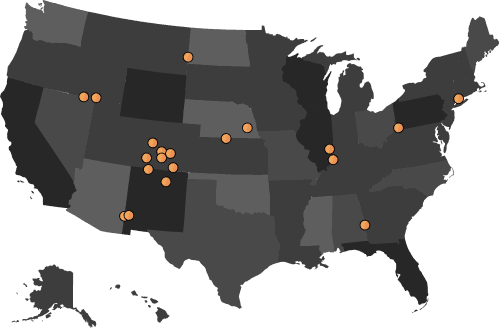
    We also deliver PMI-RMP Certification Trainingacross multiple cities

    Invensis Learning delivers industry-leading PMI-RMP Certification training solutions tailored for individuals and organizations.

    City map with location markers

    Frequently Asked QuestionsHere's everything you may ask...

    The PMI Risk Management Professional (PMI-RMP) is PMI's specialist credential in project risk management. It recognises your ability to identify, assess, respond to and monitor project risks, setting risk specialists apart from general project management practitioners.

    General

    What is the PMI Risk Management Professional (PMI-RMP) certification?

    The PMI Risk Management Professional (PMI-RMP) is PMI's specialist credential in project risk management. It recognises your ability to identify, assess, respond to and monitor project risks, setting risk specialists apart from general project management practitioners.

    Who should take PMI-RMP training in Tokyo?

    It suits risk specialists, senior project managers, PMO analysts and consultants who manage risk on complex projects across Tokyo's construction, technology, financial services and energy sectors.

    Is the PMI-RMP worth it for professionals in Tokyo?

    Yes. Certified project risk managers in Tokyo earn strong salaries, averaging around 15 million yen a year, and demand is rising as J-SOX, digital transformation and mega-projects require formal risk governance.

    Is PMP required before taking PMI-RMP?

    No. PMP is not a prerequisite for the RMP. You can apply directly based on your project risk management experience and education, though many holders carry both as complementary credentials.

    How long is the PMI-RMP certification valid?

    The RMP is valid for three years. You maintain it by earning 30 PDUs in risk management topics within each three-year continuing certification requirements (CCR) cycle.

    Pricing

    How much does PMI-RMP training cost in Tokyo?

    Instructor-led RMP training fees vary by format and schedule and are available on request in Japanese yen. The PMI exam fee is billed separately by PMI in USD. Request a quote or talk to a learning advisor for current pricing.

    What is included in the PMI-RMP course fee?

    The fee typically includes 32 contact hours of instructor-led training, PMI-aligned courseware, practice questions, mock exams, application guidance and a course completion certificate.

    How much is the PMI-RMP exam fee?

    PMI bills the exam fee in USD; for reference it is around USD 520 for PMI members and USD 670 for non-members, and prices may vary. PMI membership can reduce the exam cost. Confirm current fees on pmi.org.

    Do you offer corporate or group discounts?

    Yes. We offer corporate group training with tailored schedules and volume-based pricing for teams in Tokyo. Contact us for a group quote.

    What payment options are available?

    We accept major credit and debit cards and bank transfers, with instalment options on selected plans. Speak with a learning advisor to choose the option that suits you.

    Exam

    What is the format of the PMI-RMP exam?

    The RMP exam is closed book with 115 multiple-choice questions, based on the PMI-RMP Examination Content Outline effective January 2022. It uses single-answer and multiple-answer formats across five risk domains.

    How many questions are on the exam and how long is it?

    The exam has 115 questions and a time limit of 2.5 hours (150 minutes).

    What are the PMI-RMP exam domains and their weights?

    Five domains per the January 2022 ECO: Risk Strategy and Planning (20%), Risk Identification (20%), Risk Analysis (23%), Risk Response (22%) and Monitor and Close Risks (15%).

    Where can I take the PMI-RMP exam in Tokyo?

    You can sit it at a Pearson VUE test centre in Tokyo or online through the Pearson VUE OnVUE proctoring system, scheduled after PMI approves your application.

    What happens if I do not pass the first time?

    PMI allows up to three attempts within your one-year eligibility period. Re-examination fees apply to the second and third attempts. Our mock exams and prep resources are built to support a strong first attempt.

    What is the passing score for the PMI-RMP exam?

    PMI does not publish a fixed pass mark. Results are determined psychometrically and reported by domain as Above Target, Target, Below Target or Needs Improvement, so aim for broad mastery across all five domains.

    Course Content

    What topics does the PMI-RMP training cover?

    The training covers all five RMP domains: risk strategy and planning, risk identification, risk analysis, risk response, and monitoring and closing risks, across predictive, agile and hybrid projects.

    Can a beginner take PMI-RMP training?

    The training welcomes professionals with some project experience. To sit the exam, PMI requires documented project risk management experience and risk education, which the 32-hour course helps satisfy.

    Does the training meet the PMI-RMP education requirement?

    Yes. The 32 contact hours satisfy the 30-hour risk education requirement for Set B and Set C candidates. Set A (high school diploma) candidates need 40 hours and should add supplementary study.

    What learning materials are provided?

    You receive PMI-aligned courseware, references to the PMI-RMP ECO and Handbook, practice questions, mock exams, templates and quizzes mapped to the five domains.

    Is the courseware aligned to the current PMI-RMP standard?

    Yes. The courseware aligns to the PMI-RMP Examination Content Outline effective January 2022 and the PMI Practice Standard for Project Risk Management.

    Enrollment

    How do I enrol in PMI-RMP training in Tokyo?

    Enrol through the Invensis Learning website. Choose online (live virtual) or corporate group training, complete payment, and you receive schedules, courseware and learning resources. Talk to an advisor to pick a batch.

    What are the eligibility requirements for the RMP?

    PMI requires a secondary or bachelor's degree with recent project risk management experience plus risk education: Set A needs 36 months and 40 hours; Set B needs 24 months and 30 hours; Set C needs 12 months and 30 hours, all within the last five years.

    What training formats are available?

    We offer online (live virtual) instructor-led training and customised corporate group training for teams in Tokyo, so you can choose the format that fits your schedule.

    How soon can I start?

    New batches run regularly. See upcoming schedules or speak with a learning advisor to find the next cohort that fits your timeline.

    Can I reschedule or transfer my enrolment?

    Yes. Flexi options let you reschedule or transfer to another batch. Refunds follow our published cancellation policy. Contact support to arrange this.