Invensis Learning Logo
    Contact Us
    Resources

    Quality by Design Training in Taiwan

    Design Quality in from the Start

    Invensis Learning's Quality by Design training helps pharmaceutical professionals in Taiwan build quality into products from the design stage. Learn to apply the ICH Q8 to Q11 framework, QTPP, critical quality attributes, Design of Experiments and control strategy through practical, instructor-led sessions aligned to TFDA, FDA and EMA expectations.

    Certification Badge

    Flexible

    Duration

    Live

    Mode

    8

    Hours

    13.3K+ already enrolled

    4.1 (2330+ Reviews)

    8 enrolled this week

    12 viewing right now

    Want to Train Your Team?

    Home/View Courses in Taiwan/Quality Management Certification Courses in Taiwan/Quality by Design in Taiwan

    Master Quality by Design and Lead Excellence in Taiwan

    Starts from

    TWD 13600

    Course Overview

    Overview

    Course Highlights

    Eligibility Criteria

    Benefits

    What Is Quality by Design and Why It Matters in PharmaUntitledA Science-Based Route to Consistent Quality

    Quality by Design (QbD) is a systematic, science-based approach to pharmaceutical and biopharmaceutical development that builds quality into a product from the design stage rather than testing it in at the end. This Quality by Design Training in Taiwan gives formulation, analytical, process development and regulatory professionals the practical tools to apply QbD in everyday development work. The programme is grounded in the ICH framework that regulators now expect: ICH Q8(R2) Pharmaceutical Development, ICH Q9 Quality Risk Management, ICH Q10 Pharmaceutical Quality System and ICH Q11 for drug substances. You learn to define the Quality Target Product Profile (QTPP), identify Critical Quality Attributes (CQAs), run structured risk assessments, explore the design space through Design of Experiments (DoE), and build a robust control strategy supported by Process Analytical Technology. Taiwan's biopharma sector is expanding fast, and its many FDA and EMA approved sites, CDMOs and biosimilar developers must meet TFDA, FDA and EMA expectations. QbD is the capability that turns strong science into consistent, submission-ready products. Delivered in live virtual, classroom and corporate formats, this is a one-day, non-certification skills programme focused on hands-on application, so you can start using QbD tools straight away.
    What Is Quality by Design and Why It Matters in PharmaA Science-Based Route to Consistent Quality

    Quality by Design (QbD) is a systematic, science-based approach to pharmaceutical and biopharmaceutical development that builds quality into a product from the design stage rather than testing it in at the end. This Quality by Design Training in Taiwan gives formulation, analytical, process development and regulatory professionals the practical tools to apply QbD in everyday development work.

    The programme is grounded in the ICH framework that regulators now expect: ICH Q8(R2) Pharmaceutical Development, ICH Q9 Quality Risk Management, ICH Q10 Pharmaceutical Quality System and ICH Q11 for drug substances. You learn to define the Quality Target Product Profile (QTPP), identify Critical Quality Attributes (CQAs), run structured risk assessments, explore the design space through Design of Experiments (DoE), and build a robust control strategy supported by Process Analytical Technology.

    Taiwan's biopharma sector is expanding fast, and its many FDA and EMA approved sites, CDMOs and biosimilar developers must meet TFDA, FDA and EMA expectations. QbD is the capability that turns strong science into consistent, submission-ready products. Delivered in live virtual, classroom and corporate formats, this is a one-day, non-certification skills programme focused on hands-on application, so you can start using QbD tools straight away.

    Certification Badge

    Key Highlightsof the Quality by Design Training Course

    End-to-End Skill Development

    • Structured Quality by Design training in the Taiwan is designed to help learners understand QbD principles, regulatory frameworks, and pharmaceutical product development methodologies covered in the program
    • Course content aligned with current ICH Q8, Q9, and Q10 guideline expectations, real-world pharmaceutical quality requirements, and practical learning objectives for Taiwan professionals delivered through a comprehensive Quality by Design training program
    • Real-world examples and scenario-based learning to help learners connect QbD concepts with everyday pharmaceutical development, manufacturing, and quality assurance situations
    • Guided learning support to help participants strengthen understanding, improve confidence, and apply QbD principles effectively across product development and manufacturing roles

    Structured Courseware and Learning Resources

    • Access to organized QbD course materials including QTPP definition worksheets, CQA and CMA identification templates, CPP mapping guides, and DoE reference cards designed to support step-by-step learning
    • Topic-wise learning resources, exercises, and knowledge checks to reinforce understanding of Design Space, control strategies, and risk assessment tools
    • Practice activities, assignments, and scenario-based exercises to help learners apply QbD concepts in realistic pharmaceutical product development and manufacturing quality situations
    • Supplementary learning aids such as risk assessment matrices, Design Space configuration worksheets, RTRT implementation checklists, and control strategy development guides

    Instructor-Led, Practical Learning Experience

    • Live interactive sessions delivered by experienced QbD practitioners with hands-on domain expertise across pharmaceutical, biotechnology, and manufacturing sectors
    • Real-world examples, case discussions, and applied QbD exercises to improve practical understanding of QTPP definition, CQA identification, DoE applications, and Design Space configuration
    • Opportunities to ask questions, clarify doubts, and participate in trainer-led discussions on risk assessment, CPP mapping, and regulatory compliance requirements
    • Training approach focused on helping learners apply QbD concepts confidently at work, not just complete the course content

    Flexible Learning Support in Taiwan

    • Instructor-led training formats available for individual learners and corporate teams across the Taiwan
    • Options include live virtual classroom training, onsite training, and customized group training depending on availability and organizational requirements
    • Learning support designed to help participants stay on track before, during, and after the Quality by Design training
    • Additional revision and post-training support may be available based on the selected course format

    Learn the Core Concepts Covered in the Course

    • Understand QbD fundamentals, background, key drivers, and the regulatory guidance documents including ICH Q8, Q9, and Q10 that shape modern pharmaceutical development
    • Learn how to define QTPP, identify CQAs, CMAs, and CPPs, apply DoE, configure Design Space, and develop control strategies based on the course curriculum
    • Explore practical use cases showing how QbD is applied in pharmaceutical, biotechnology, healthcare, and manufacturing environments
    • Build role-relevant knowledge of risk assessment and management, real-time release testing, and regulatory compliance that supports better quality decisions in product development

    Practice, Assessment, and Completion Support

    • Practice defining QTPP, identifying CQAs and CMAs, mapping CPPs, and applying DoE through exercises and scenario-based activities
    • Use assessments to identify knowledge gaps in QbD concepts and strengthen understanding of Design Space and control strategy development
    • Receive guidance from instructors to improve understanding of QbD tools and stay aligned with course objectives
    • Earn a course completion certificate after successfully meeting the training requirements

    Career and Workplace Application

    • Build practical QbD skills that can support career growth, role advancement, or improved pharmaceutical quality performance in the Taiwan
    • Strengthen confidence in applying QTPP definition, CQA identification, DoE, Design Space, and risk management concepts to real-world product development challenges
    • Improve professional credibility through structured, skill-focused Quality by Design training recognized across Taiwan pharmaceutical and manufacturing industries
    • Support enterprise capability building through Quality by Design corporate training for employees across pharmaceutical, biotechnology, healthcare, and manufacturing organizations.

    Quality by Design Training Eligibility in the TaiwanWho Can Enroll?

    • No formal prerequisites are required to enroll in the Quality by Design training program

    • Basic familiarity with quality assurance concepts is helpful but not mandatory for enrollment

    • Professionals from pharmaceutical, biotechnology, healthcare, and manufacturing industries are well-suited for this training

    • Individuals and corporate teams seeking to build QbD knowledge and apply regulatory-aligned product development principles are eligible to enroll

    • Learners with backgrounds in quality, regulatory affairs, process engineering, and production management will find the content directly applicable to their roles

    Why QbD Skills Are Worth BuildingFor Pharma Professionals and Teams in Taiwan

    For Individuals

    For Individuals

    QbD training helps pharmaceutical scientists and engineers move from testing quality in to designing it in. The course suits formulation scientists, process development engineers, analytical scientists, QA professionals and CMC regulatory specialists who want to apply QbD in their day-to-day work. Whether you develop small molecules or biologics, work in a manufacturer, a CDMO or an API producer, the training builds capabilities that Taiwan's regulated pharma sector increasingly expects.

    If you want a practical, immediately usable skill set rather than another line on a CV, QbD is a strong choice. You leave able to construct a QTPP, lead CQA identification, run risk assessments, plan DoE studies and shape a control strategy for submission.

    • Apply QbD tools such as QTPP, CQA mapping and DoE to real development projects
    • Replace trial-and-error formulation with a structured, science-based method
    • Read and interpret a design space, NOR and PAR with confidence
    • Facilitate risk assessments using Ishikawa diagrams and FMEA
    • Build control strategies that stand up to TFDA, FDA and EMA scrutiny
    • Strengthen your value across formulation, analytical, process and regulatory roles
    • Contribute to submission-ready CTD Module 3 pharmaceutical development sections
    For Organizations

    For Organizations

    QbD group training helps organisations build development and quality capability across formulation, analytical, process, QA and regulatory functions. It can be delivered for a development team, a quality unit or a full cross-functional group. For manufacturers, CDMOs and biosimilar developers in Taiwan that supply regulated markets, QbD creates a common, science-based way of working that reduces risk and speeds submissions.

    If your teams struggle to connect development science to consistent, submission-ready product, QbD group training closes that gap. People apply QTPP, CQA identification, risk assessment and DoE to your own projects during the session, so learning transfers straight to work.

    • Give cross-functional teams one shared QbD language and method
    • Reduce manufacturing deviations and out-of-specification batches
    • Cut post-approval change burden through well-justified design spaces
    • Strengthen regulatory submissions and TFDA, FDA and EMA relationships
    • Speed up scale-up and technology transfer with better process understanding
    • Build in-house capability instead of relying on external consultants
    • Tailor training around your own live product development projects

    Where QbD Skills Take Your Career in TaiwanRoles, Demand and Pay in Taiwan

    Quality by Design skills open doors across Taiwan's pharmaceutical and biopharmaceutical sector, where formulation, analytical, process development, quality and regulatory teams are all expected to build quality into products. As Taiwan scales exports into FDA and EMA regulated markets and its CDMO and biosimilar base grows, professionals with Quality by Design training who can run QTPP, CQA, risk assessment, DoE and control strategy work are increasingly sought after, from Quality Control Analyst through to Regulatory Affairs and Quality Director roles. Here is what the market is telling us right now.

    NT$758bn

    Biotech and pharma revenue, Taiwan

    2023, +8.1% YoY (Invest Taipei)

    44 of 59

    FDA or EMA approved plants

    pharma sites (Trade.gov)

    NT$1.15M

    Median pharma salary, Taiwan

    per year (Levels.fyi, Paylab 2026)

    NT$1.8M

    RA Manager salary, Taiwan

    per year (Invest Taipei 2026)

    Sectors Hiring

    • —Pharmaceutical Manufacturing and Development
    • —Biopharmaceuticals and Biosimilars
    • —Contract Development and Manufacturing (CDMOs)
    • —Active Pharmaceutical Ingredient (API) Producers
    • —Regulatory Affairs and CMC Consulting
    • —Medical Devices and Cell Therapy

    Growth Trends

    • —Biotech and pharma revenue near NT$758bn, growing over 8% a year
    • —44 of 59 sites hold US FDA or EMA approval, raising QbD expectations
    • —Fast-growing CDMO and biosimilar base competing on quality
    • —Cell therapy segment expanding around 38% a year
    • —TFDA aligning with ICH and PIC/S GMP standards
    • —Shortage of professionals skilled in DoE and control strategy

    Sources: Invest Taipei Medical and Biotech Talent Market Report; Levels.fyi, Paylab, ERI (Taiwan) 2026; Trade.gov Taiwan Biotechnologies; Statista 2026.

    Designation

    Quality by Design Professionals in Taiwan : Salary Insights and Trends

    Hiring Companies in Taiwan

    NT$821K
    Min
    NT$1109K
    Average
    NT$1313K
    Max

    ERI, Levels.fyi (Taipei, Taiwan) 2026

    Lotus PharmaceuticalCenter LaboratoriesTaiwan OtsukaBora Pharmaceuticals

    Source: Lotus Pharmaceutical . Center Laboratories . Taiwan Otsuka . Bora Pharmaceuticals

    Pharma Pressures Making QbD Essential in Taiwan

    Rising Regulatory Expectations

    TFDA, the FDA and the EMA increasingly expect QbD evidence in submissions. Taiwan's plants that supply regulated markets must show QTPP, CQA and design space thinking, not end-product testing alone.

    QbD builds ICH-aligned development skills

    Export-Driven Quality Standards

    With 44 of 59 sites holding FDA or EMA approval, Taiwanese firms must document pharmaceutical development to CTD Module 3 standard, exactly the evidence a QbD programme is designed to produce.

    QbD supports CTD Module 3 submissions

    Biologics and Biosimilar Complexity

    A growing biologics and biosimilar base means process-defined products with intricate CQAs such as glycosylation and aggregation, which demand structured risk assessment and DoE to control.

    QbD builds CQA control for complex molecules

    CDMO Competitiveness

    Taiwan's emerging CDMO sector competes on quality and speed. Teams that can run QbD on behalf of clients win work, making design space and control strategy skills a real advantage.

    QbD is a differentiating CDMO capability

    Scale-Up and Tech-Transfer Risk

    Trial-and-error scale-up causes deviations and out-of-specification batches. A defined design space and control strategy let teams transfer processes with far less rework and risk.

    QbD reduces deviations through process understanding

    QbD Talent Scarcity

    Demand for professionals who can facilitate FMEA, plan DoE and define a control strategy outpaces supply in Taiwan, so credible QbD skills set candidates apart in a competitive market.

    QbD skills make practitioners stand out

    Sources: Trade.gov Taiwan Biotechnologies; Invest Taipei; GeneOnline BIO 2024 CDMO report; TFDA; company reports 2025-2026.

    QbD is more than a method. It is the capability Taiwan's pharma and biotech sector needs to compete in regulated markets. Build it and help your organisation design quality in. Start your journey today.

    Your Taiwan Career Transformation

    From Testing Quality in to Designing It In

    The Shift QbD Delivers

    Taiwan's pharmaceutical and biopharmaceutical sector is scaling toward FDA and EMA regulated markets, and employers increasingly separate professionals who can design quality in from those who only test it. Here is the shift this training delivers.

    Today

    Seen as a single-function lab specialist with a narrow remit

    After QbD

    Valued as a QbD practitioner across development and quality functions

    Today

    Seen as a single-function lab specialist with a narrow remit

    Today

    Limited visibility of how your work feeds regulatory submissions

    After QbD

    Able to shape CTD Module 3 pharmaceutical development content

    Today

    Limited visibility of how your work feeds regulatory submissions

    Today

    Competing on general pharma experience in a crowded market

    After QbD

    Standing out with a scarce, in-demand QbD skill set in Taiwan

    Today

    Competing on general pharma experience in a crowded market

    You Build QbD Capability

    Before

    Quality is checked at the end through final-product testing

    Now you have

    Quality is designed in from the QTPP onwards, with clear CQAs

    Before

    Quality is checked at the end through final-product testing

    Before

    Formulation and process decisions rest on trial and error

    Now you have

    Decisions are guided by DoE and a defined design space

    Before

    Formulation and process decisions rest on trial and error

    Before

    Process changes trigger uncertainty, deviations and rework

    Now you have

    Changes within the design space are understood and controlled

    Before

    Process changes trigger uncertainty, deviations and rework

    Before

    Risk is judged informally, based mainly on past experience

    Now you have

    Risk is ranked with FMEA and mapped to each CQA

    Before

    Risk is judged informally, based mainly on past experience

    "In Taiwan's regulated pharma sector, the gap between running tests and designing quality in is exactly what employers now pay for."

    Join professionals across Taiwan's pharma and biotech sector who train with Invensis Learning.

    Sources: Invest Taipei; ERI, Levels.fyi, Paylab (Taiwan) 2026.

    Module 1: Introduction to QbD

    • Background and key drivers that led to the adoption of Quality by Design in pharmaceutical development
    • Regulatory guidance documents including ICH Q8, Q9, and Q10 that define the QbD framework
    • QbD development process flow from concept and design through to manufacturing and regulatory submission

    Module 2: QbD Tools and Techniques

    • Risk management principles and tools used to identify, assess, and control quality risks in product development
    • Design of Experiments (DoE): fundamentals, design types, and how DoE is used to understand process variability
    • Design Space definition and control strategies: how boundaries are established and maintained throughout the product lifecycle

    Module 3: Industry and Regulatory Perspective

    • Regulatory framework for QbD including agency expectations from the FDA, EMA, and ICH guidelines
    • Implementation challenges organizations face when transitioning from traditional to QbD-based development approaches
    • Real-world industry examples demonstrating how pharmaceutical and biotechnology organizations have adopted QbD

    Module 4: Quality Target Product Profile (QTPP)

    • Definition of the Quality Target Product Profile and its role in guiding QbD-based product development decisions
    • How QTPP links patient needs and regulatory requirements to specific product quality attributes and design objectives
    • Practical steps for defining a QTPP for pharmaceutical and biotechnology products

    Module 5: Critical Quality Attributes, Critical Material Attributes, and Critical Process Parameters

    • Identifying Critical Quality Attributes (CQAs): what they are, how to define them, and why they are central to QbD
    • Critical Material Attributes (CMAs): how raw material properties influence product quality and must be controlled
    • Critical Process Parameters (CPPs): identifying process parameters that impact CQAs and require monitoring and control

    Module 6: Statistical Design of Experiments

    • Fundamentals of statistical DoE including full factorial, fractional factorial, and response surface methodologies
    • Applications of DoE in pharmaceutical process development and optimization
    • Interpreting DoE results to establish design space boundaries and process understanding

    Module 7: Design Space and Process Control

    • Design Space concept: defining the multidimensional combination of input variables and process parameters that provide quality assurance
    • Implementation of Design Space within regulatory submissions and manufacturing control strategies
    • Continuous process verification and how Design Space supports process control across the product lifecycle

    Module 8: Risk Assessment and Management

    • Risk assessment methodologies used in QbD including FMEA, Ishikawa diagrams, and risk ranking tools
    • Applying risk management principles to product development decisions, process design, and control strategy development
    • Linking risk assessment outcomes to Design Space boundaries and CQA control strategies

    Module 9: Real-time Release Testing (RTRT)

    • RTRT concept: replacing end-product testing with in-process monitoring and real-time quality assurance
    • Regulatory requirements and industry expectations for RTRT implementation in pharmaceutical manufacturing
    • Practical considerations for implementing RTRT as part of a QbD-based control strategy

    Module 10: Case Studies and Practical Applications

    • Pharmaceutical and biotechnology case studies demonstrating end-to-end QbD implementation from QTPP to RTRT
    • Practical group exercises and scenario analysis applying QbD tools including QTPP definition, CQA identification, DoE, and risk assessment
    • Lessons learned and best practices from real QbD projects in pharmaceutical, biotechnology, and manufacturing environments

    Course Curriculumof the Quality by Design Training

    The online Quality by Design training course curriculum in the Taiwan is structured across ten modules, taking learners from foundational QbD background and regulatory guidance through to real-world case studies and practical applications in pharmaceutical, biotechnology, and manufacturing environments.

    image

    100% Secure and Safe download

    • Background and key drivers that led to the adoption of Quality by Design in pharmaceutical development
    • Regulatory guidance documents including ICH Q8, Q9, and Q10 that define the QbD framework
    • QbD development process flow from concept and design through to manufacturing and regulatory submission

    Shifts your thinking from testing quality in at the end to designing it in from the start.

    Module 1: Introduction to QbD

    • Background and key drivers that led to the adoption of Quality by Design in pharmaceutical development
    • Regulatory guidance documents including ICH Q8, Q9, and Q10 that define the QbD framework
    • QbD development process flow from concept and design through to manufacturing and regulatory submission

    Shifts your thinking from testing quality in at the end to designing it in from the start.

    image

    100% Secure and Safe download

    Skills You Will Build in This QbD CourseFrom QTPP to Control Strategy

    Here are the core skills covered in this Quality by Design course. From setting the QTPP through to building a control strategy and structuring submission evidence, you leave able to apply each QbD tool to real pharmaceutical development work.

    Set the Quality Target Product Profile

    Build a QTPP from clinical and patient needs, defining dosage form, route, strength, pharmacokinetic targets and quality standards as the design specification for the whole programme.

    Identify and Classify Critical Quality Attributes

    Translate the QTPP into CQAs for small molecules and biologics, distinguishing critical from non-critical attributes and linking each to material and process inputs.

    Run Risk Assessments with FMEA and Ishikawa

    Use fishbone diagrams and FMEA to rank CMA and CPP risks to each CQA by severity, occurrence and detectability, prioritising what needs formal study.

    Design and Interpret DoE Studies

    Select screening, response surface and mixture designs, interpret the models, and define a design space with Normal Operating Ranges and Proven Acceptable Ranges.

    Apply PAT and Build a Control Strategy

    Use Process Analytical Technology such as NIR and Raman for real-time monitoring, then build a risk-proportionate control strategy from your QbD outputs.

    Structure QbD Evidence for Submissions

    Assemble QTPP, CQAs, risk assessment, DoE and control strategy into CTD Section 3.2.P.2, and manage post-approval change under an ICH Q12 lifecycle approach.

    Who Should TakeQuality by Design Training in Taiwan?

    Process Engineers

    QC Analysts

    Engineering Teams

    Technical Staff

    Production Managers

    Distribution Managers

    Regulatory Affairs Specialists

    Quality Assurance Professionals

    Who Can Take This Certification Training

    Quality by Design Training Modesfor Professionals and Teams

    We offer flexible training formats designed to suit different learning preferences, schedules, and professional goals. Whether you prefer self-paced learning or a structured, corporate, instructor-led experience, choose the option that best supports your skill development journey with the best Quality by Design online training options.

    Quality by Design Classroom Training

    • Instructor-led classroom sessions

    • Interactive discussions and group activities

    • Real-world examples and practical exercises

    • Structured learning with fixed schedules

    • Opportunities for peer networking and collaboration

    • Practice assessments and knowledge checks

    • Dedicated Q&A and concept clarification

    • Immediate trainer feedback and support

    Untitled

    Learn through face-to-face sessions led by experienced instructors in a collaborative classroom environment. This classroom Quality by Design training combines expert guidance, peer interaction, and hands-on activities to create an engaging learning experience.

    Untitled

    Best For: Learners who prefer in-person interaction, structured schedules, and collaborative learning experiences.

    Untitled

    Quality by Design Live Virtual Training

    • Live online instructor-led sessions

    • Interactive discussions and virtual activities

    • Expert guidance from experienced trainers

    • Practice assessments and revision support

    • Dedicated Q&A sessions for concept clarification

    • Fixed schedules for accountability and momentum

    • Small batch sizes for personalized attention

    • Access from any location with internet connectivity

    TWD 13600

    Attend fully interactive weekday Quality by Design training sessions from anywhere while benefiting from real-time instructor guidance and collaborative learning experiences.

    Untitled

    Best For: Professionals seeking the flexibility of online learning without compromising on live instructor interaction.

    Untitled

    Quality by Design Corporate Group Training

    • Customized training aligned to organizational goals

    • Flexible delivery: onsite, virtual, hybrid, or blended

    • Scheduling tailored to business availability

    • Role-based examples and industry-relevant discussions

    • Progress tracking and learner assessments where applicable

    • Dedicated coordination and administrative support

    • Consistent learning experiences across teams

    • Scalable delivery for local, regional, or global workforces

    Untitled

    Designed for organizations that want to build capabilities at scale, standardize knowledge, and support workforce development through customized team learning initiatives.

    Untitled

    Best For: Organizations looking to upskill employees, address capability gaps, and deliver consistent training across teams.

    Untitled

    Quality by Design Focused 1-to-1 Training

    • One-to-one instructor attention

    • Customized learning plans and objectives

    • Flexible scheduling based on availability

    • Personalized feedback and coaching

    • Additional focus on challenging topics

    • Targeted practice and revision support

    • Faster clarification of questions and concepts

    • Learning pace is adapted to individual needs

    Untitled

    Receive personalized instruction tailored to your goals, pace, and learning requirements through dedicated sessions from our trusted Quality by Design training company.

    Untitled

    Best For: Professionals seeking personalized guidance, accelerated learning, or focused support to achieve specific outcomes.

    Untitled

    Quality by Design Classroom Training

    Quality by Design Classroom Training

    Instructor-led classroom sessions

    Interactive discussions and group activities

    Real-world examples and practical exercises

    Structured learning with fixed schedules

    Opportunities for peer networking and collaboration

    Practice assessments and knowledge checks

    Dedicated Q&A and concept clarification

    Immediate trainer feedback and support

    Untitled

    Please Note:Learn through face-to-face sessions led by experienced instructors in a collaborative classroom environment. This classroom Quality by Design training combines expert guidance, peer interaction, and hands-on activities to create an engaging learning experience.

    Best For: Learners who prefer in-person interaction, structured schedules, and collaborative learning experiences.

    Loading schedules…

    Why Taiwan Professionals Choose Invensis Learning for Quality by DesignPractical, Instructor-Led and Globally Trusted

    Invensis Learning delivers practical Quality by Design training for individuals and organisations that want to build quality into pharmaceutical products from the design stage. Our programmes combine experienced quality practitioners, hands-on QbD exercises, structured courseware and flexible delivery. Whether you enrol as an individual or plan group training for a development or quality team in Taiwan, you get a professional experience built around real-world application, ICH-aligned method and measurable learning outcomes.

    • Experienced trainers who are practitioners in pharmaceutical quality and development
    • Hands-on QbD exercises using realistic small molecule and biologic scenarios
    • Flexible formats: live virtual, classroom, and corporate onsite training
    • Structured courseware covering the full ICH Q8 to Q11 QbD framework
    • Learner support before, during and after the programme
    • Corporate training tailored to your own live development projects
    • ISO 9001:2015 and ISO 27001:2022 certified training operations
    • Trusted by professionals and organisations across 90+ countries, including Taiwan

    15+

    Years of Training Excellence

    24/7

    Learner Support

    50+

    Industries Served

    1-to-1

    Doubt-Clearing Sessions

    ISO 9001:2015 Certified

    ISO 9001:2015 Certified

    ISO 27001:2022 Certified

    ISO 27001:2022 Certified

    Secure SSL Encryption

    Secure SSL Encryption

    Leaders in Training industry for 12+ years

    Leaders in Training industry for 12+ years

    Over 5000 five star reviews

    Over 5000 five star reviews

    Level AA conformance, W3C WCAG 2.2

    Level AA conformance, W3C WCAG 2.2

    Quality by Design Training Locations in TaiwanAll our classroom training is now available online at your convenience

    Quality by Design in Taiwan

    Grand Hyatt Hotel, 2, Songshou Road, Xicunli, Xinyi District, Xinyi Business District, Taipei City, 11051, Taiwan

    Quality by Design in Taiwan

    W Hotel Taipei, 10, Section 5, Zhongxiao East Road, Xingya Li, Xinyi District, Xingya, Taipei City, 110, Taiwan

    Quality by Design in Taiwan

    Grand Hyatt Hotel, 2, Songshou Road, Xicunli, Xinyi District, Xinyi Business District, Taipei City, 11051, Taiwan

    Quality by Design in Taiwan

    W Hotel Taipei, 10, Section 5, Zhongxiao East Road, Xingya Li, Xinyi District, Xingya, Taipei City, 110, Taiwan

    corporate bannercorporate banner

    Corporate QbD Training for Pharma TeamsFor Your Teams in Taiwan

    Untitled

    • Tailored delivery for development, analytical, process and quality teams
    • Flexible formats: onsite, live virtual, hybrid or blended sessions
    • Schedules aligned to your organisation's availability in Taiwan
    • QbD tools applied to your own live product development projects
    • Experienced trainers with pharmaceutical quality and development expertise
    • Progress tracking, exercises and practical assessments throughout
    • Scalable delivery for single sites or multi-location teams

    Pharma and Biotech Organisations

    Lotus PharmaceuticalBora PharmaceuticalsPharmaEssentiaTaiMed BiologicsCenter LaboratoriesTaiwan Otsuka

    What Our Learners Say

    Untitled

    QbD Tools I Use Every Week

    "The QbD training finally connected the ICH guidelines to how I actually develop formulations. Building a QTPP and mapping CQAs to process parameters is now part of how my team works."

    Yi-Chen Lin

    Untitled

    0/0

    Design Space Made Practical

    "The DoE and design space sessions were the clearest I have attended. I came away able to plan a study and read the response surface, which made our scale-up far less of a guessing game."

    Cheng-Wei Huang

    Untitled

    0/0

    Stronger Submissions

    "As a CMC regulatory specialist, the module on structuring QbD evidence for CTD Section 3.2.P.2 was exactly what I needed. Risk assessment and control strategy now make sense as one story."

    Mei-Ling Chang

    Untitled

    0/0

    A Shared QbD Language for Our Teams

    "We ran the course onsite for our development and quality teams. Applying QTPP, CQA identification and FMEA to our own project during the session gave us a shared method we kept using afterwards."

    Kuo-Hua Wu

    Untitled

    0/0

    Tailored, Practical and Relevant

    "The trainer understood CDMO realities and tailored the examples to biologics. Our people left able to run risk assessments and justify a control strategy, which is now a genuine differentiator for us."

    Shu-Fen Tsai

    Untitled

    0/0


    Trustpilot

    4.6

    Ratings

    100K+

    Happy Learners

    100+

    Locations Worldwide

    99%

    Training Satisfaction

    Enquire with us now

    Drop us a query and our learning consultant will reach out to you shortly

    Get Course Details & Pricing

    Fill out this form and we will respond quickly.

    We also deliver Quality by Design Trainingacross multiple cities

    Invensis Learning delivers industry-leading Quality by Design training solutions tailored for individuals and organizations.

    Taipei
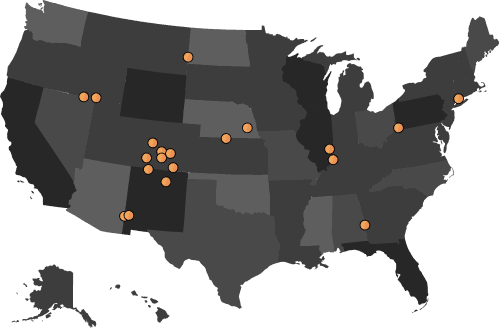
    City map with location markers

    Explore Our Other Course Categories

    Agile Certification Training Courses

    Project Management Certification Training Courses

    IT Service Management Certification Training Courses

    Quality Management Certification Courses

    DevOps Certification Training Courses

    IT Governance Certification Training Courses

    Other Related Courses

    Foundation

    Poka Yoke

    Foundation

    Lean Six Sigma Yellow Belt

    Foundation

    Business Process Management

    Foundation

    Six Sigma Awareness

    Foundation

    7 QC Tools Training

    Advanced

    Lean Six Sigma Black Belt

    Foundation

    Quality Function Deployment

    Foundation

    Lean IT

    Advanced

    Lean Six Sigma Green Belt

    Foundation

    Minitab Essentials

    Foundation

    Design for Six Sigma

    Foundation

    Lean Fundamentals

    Foundation

    Quality by Design

    Foundation

    Root Cause Analysis Training Course

    Foundation

    Lean Manufacturing

    Foundation

    Value Stream Mapping

    Foundation

    Kaizen

    Foundation

    Poka Yoke

    Foundation

    Lean Six Sigma Yellow Belt

    Foundation

    Business Process Management

    Foundation

    Six Sigma Awareness

    Foundation

    7 QC Tools Training

    Advanced

    Lean Six Sigma Black Belt

    Foundation

    Quality Function Deployment

    Foundation

    Lean IT

    Advanced

    Lean Six Sigma Green Belt

    Foundation

    Minitab Essentials

    Foundation

    Design for Six Sigma

    Foundation

    Lean Fundamentals

    Foundation

    Quality by Design

    Foundation

    Root Cause Analysis Training Course

    Foundation

    Lean Manufacturing

    Foundation

    Value Stream Mapping

    Foundation

    Kaizen

    Frequently Asked QuestionsHere's everything you may ask...

    QbD training is a practical skills course on the science-based approach to pharmaceutical development that builds quality into a product from the design stage. It covers the ICH Q8 to Q11 framework, QTPP, critical quality attributes, risk assessment, Design of Experiments and control strategy.

    QbD training is a practical skills course on the science-based approach to pharmaceutical development that builds quality into a product from the design stage. It covers the ICH Q8 to Q11 framework, QTPP, critical quality attributes, risk assessment, Design of Experiments and control strategy.

    Yes. Taiwan's biopharma sector supplies FDA and EMA regulated markets, and QbD skills are increasingly expected across formulation, process, analytical, quality and regulatory roles. The tools apply immediately to real development work and help you stand out in a competitive market.

    The course suits formulation scientists, process development engineers, analytical scientists, quality assurance professionals, CMC regulatory specialists and manufacturing technical managers in pharma, biopharma, API, CDMO and medical device organisations who want to understand and apply QbD.

    No. This is a non-certification skills programme with no exam and no external credential. You receive a course completion record from Invensis Learning, and the focus is on practical QbD tools you can use straight away at work.

    The programme is grounded in ICH Q8(R2) Pharmaceutical Development, ICH Q9 Quality Risk Management, ICH Q10 Pharmaceutical Quality System and ICH Q11 for drug substances, the guidelines that underpin how TFDA, the FDA and the EMA expect modern development to be documented.

    General

    What is Quality by Design (QbD) training?

    QbD training is a practical skills course on the science-based approach to pharmaceutical development that builds quality into a product from the design stage. It covers the ICH Q8 to Q11 framework, QTPP, critical quality attributes, risk assessment, Design of Experiments and control strategy.

    Is QbD training worth it for pharma professionals in Taiwan?

    Yes. Taiwan's biopharma sector supplies FDA and EMA regulated markets, and QbD skills are increasingly expected across formulation, process, analytical, quality and regulatory roles. The tools apply immediately to real development work and help you stand out in a competitive market.

    Who should attend the Quality by Design course?

    The course suits formulation scientists, process development engineers, analytical scientists, quality assurance professionals, CMC regulatory specialists and manufacturing technical managers in pharma, biopharma, API, CDMO and medical device organisations who want to understand and apply QbD.

    Does the QbD training lead to a certification or exam?

    No. This is a non-certification skills programme with no exam and no external credential. You receive a course completion record from Invensis Learning, and the focus is on practical QbD tools you can use straight away at work.

    Which ICH guidelines does the training cover?

    The programme is grounded in ICH Q8(R2) Pharmaceutical Development, ICH Q9 Quality Risk Management, ICH Q10 Pharmaceutical Quality System and ICH Q11 for drug substances, the guidelines that underpin how TFDA, the FDA and the EMA expect modern development to be documented.

    Pricing

    How much does Quality by Design training cost in Taiwan?

    Fees vary by delivery format, group size and schedule, so pricing is available on request. Share your preferred format and team size and a learning advisor will provide a tailored quote.

    What is included in the QbD course fee?

    The fee typically includes instructor-led delivery of all six QbD modules, structured courseware, hands-on tool exercises, case studies, learner support and a course completion record. Ask us for the exact inclusions for your chosen format.

    Do you offer group or corporate pricing?

    Yes. We offer corporate group training with schedules and content tailored to your team, and volume-based pricing for development and quality units. Contact us for a group quote.

    Are there instalment or payment options?

    Yes. We accept major cards and bank transfers, and instalment options are available on selected plans. Speak with a learning advisor to choose the option that suits you.

    Is there any exam fee to budget for?

    No. This is a non-certification course, so there is no exam and no separate exam fee. Your investment covers the training itself, with no external body charges to plan for.

    Assessment

    Is there an exam at the end of the QbD training?

    No. The course has no examination. Learning is reinforced through hands-on QbD tool exercises, pharmaceutical case studies and group discussion during the programme, rather than through a formal test.

    What will I receive on completion?

    You receive a course completion record from Invensis Learning. No external credential is awarded, as this is a practical skills programme designed to build workplace capability rather than prepare you for a certification exam.

    How is learning reinforced without an exam?

    Through applied practice. You construct a QTPP, identify CQAs, build Ishikawa diagrams, run an FMEA and interpret a design space using realistic development scenarios, so you leave able to use each tool on your own projects.

    Do I need prior QbD knowledge to keep up?

    No. There are no formal prerequisites. Familiarity with pharmaceutical development or GMP is helpful, but the course introduces QbD from first principles in a development context, so newcomers can follow it comfortably.

    Will I be able to apply QbD immediately at work?

    Yes. The skills transfer directly to development and quality work. After the programme you can lead CQA identification, facilitate risk assessments, plan DoE studies, define a design space and shape a control strategy for submission.

    Course Content

    What topics does the QbD syllabus cover?

    The syllabus spans six modules: QbD principles and the ICH framework; QTPP and CQAs; risk assessment; DoE and design space; Process Analytical Technology and control strategy; and QbD in practice, including case studies, CTD submissions and lifecycle management.

    Does the course cover both small molecules and biologics?

    Yes. QbD principles are shown for small molecule drug products such as tablets and injectables, and for biologics such as monoclonal antibodies and biosimilars, with case study examples drawn from both product types.

    Is Design of Experiments (DoE) covered?

    Yes. You learn why DoE replaces one-factor-at-a-time work, how to choose screening, response surface and mixture designs, how to interpret the models, and how to derive a design space with Normal Operating Ranges and Proven Acceptable Ranges.

    Are Process Analytical Technology and control strategy included?

    Yes. The course covers PAT tools such as NIR and Raman for real-time monitoring and real-time release testing, then shows how to build a risk-proportionate control strategy from your risk assessment and DoE outputs.

    What materials are provided?

    You receive structured courseware covering all six modules, worked case studies, QbD tool templates and exercise scenarios. These support you during the programme and act as a reference when you apply QbD to live projects afterwards.

    Enrollment

    How do I enrol in the QbD training in Taiwan?

    You can enrol through the Invensis Learning website. Choose your preferred format, complete your booking, and you receive access to the schedule, courseware and learning resources. Talk to a learning advisor if you would like help choosing.

    What training formats are available?

    The course is available as online (live virtual) instructor-led training, in-person classroom sessions, and customised corporate onsite training for teams in Taiwan, so you can pick the format that fits your schedule.

    How long is the programme?

    The training runs as a one-day, eight-hour programme covering all six QbD modules with concept explanations, case study examples and hands-on tool exercises. An extended two half-day format is also available.

    Can the course be delivered onsite for our team in Taiwan?

    Yes. We deliver QbD training onsite or live virtual for development and quality teams, with schedules and examples tailored to your products. It is especially effective when teams apply the tools to their own live projects. Ask about corporate training.

    Can I reschedule my booking?

    Yes. Flexible options let you reschedule or transfer to another session where available. Contact our support team and they will arrange this for you.

    +1 470-260-0084contact@invensislearning.com
    Invensis Learning Logo

    Company

    • About us
    • Accreditations
    • Contact Us
    • Sitemap

    Resources

    • Blog
    • Info
    • Brochure
    • Skill Enhancement

    Support

    • Rescheduling Policy
    • Refund Policy

    Connect with us

    Chat with us

    contact@invensislearning.com

    +1 470-260-0084

    We Accept

    paymentmethods
    sslprotection

    SECURE

    SSL ENCRYPTION

    Quality and Compliance

    isocertfication9001
    isocertification27001

    Company

    • About us
    • Accreditations
    • Contact Us
    • Sitemap

    Resources

    • Blog
    • Info
    • Brochure
    • Skill Enhancement

    Support

    • Rescheduling Policy
    • Refund Policy

    Connect with us

    Chat with us

    contact@invensislearning.com

    +1 470-260-0084

    We Accept

    paymentmethods
    sslprotection

    SECURE

    SSL ENCRYPTION

    Quality and Compliance

    isocertfication9001
    isocertification27001
    usa

    USA

    +1 470-260-0084

    switzerland

    Switzerland

    +41 22 518 20 42

    australia

    Australia

    +61 2 5300 2805

    netherlands

    Netherlands

    +31 20 262 2348

    belgium

    Belgium

    +32 2 585 31 34

    denmark

    Denmark

    +45 89 88 45 44

    poland

    Poland

    +48 91 883 47 51

    uk

    UK

    +44 20 3322 3280

    india

    India

    +91 96202-00784

    Popular Training Categories

    • Agile Project Management Training
    • Project Management Courses
    • ITSM Certifications
    • Quality Management Courses
    • DevOps Courses
    • IT Governance Training

    Popular Courses

    • PMP Certification
    • PRINCE2 Certification
    • Change Management Certification
    • ITIL Foundation Certification
    • CAPM Certification
    • Lean Six Sigma Green Belt Certification
    • Lean Six Sigma Black Belt Certification
    • Root Cause Analysis Training
    • Lean Fundamentals Training
    • Six Sigma Awareness Training
    • Kaizen Training
    • VSM Training
    • DevOps Foundation Certification
    • COBIT 5 Certification
    • SIAM Certification
    • MS Project Training
    • Project Management Fundamentals Training
    • Lean Project Management Training
    • Scrum Fundamentals
    • CSM Certification
    • CSPO Certification

    Disclaimer

    • PMI®, PMP®, CAPM®, PMI-ACP®, PMBOK are registered marks of the Project Management Institute, Inc.
    • ITIL® is a registered trade mark of AXELOS Limited, used under permission of AXELOS Limited. All rights reserved.
    • PRINCE2® is a registered trademark of AXELOS Limited, used under permission of AXELOS Limited. All rights reserved.
    • PRINCE2â„¢ Agile are trade marks of AXELOS Limited, used under permission of AXELOS Limited. All rights reserved.
    • The Swirl logoâ„¢ is a trade mark of AXELOS Limited, used under permission of AXELOS Limited. All rights reserved.
    • DevOps Foundation® is a registered mark of the DevOps Institute®.
    • COBIT® is a trademark of ISACA® registered in the United States and other countries.
    • CSM, A-CSM, CSPO, A-CSPO, and CAL are registered trademarks of Scrum Alliance.
    • Invensis Learning is an Accredited Training Provider of EXIN for all their certification courses and exams.

    © 2026 Invensis Inc.

    Privacy PolicyTerms & Conditions
    Phone
    Select or type a course...
    Phone
    Select or type a course...